
PHOTO
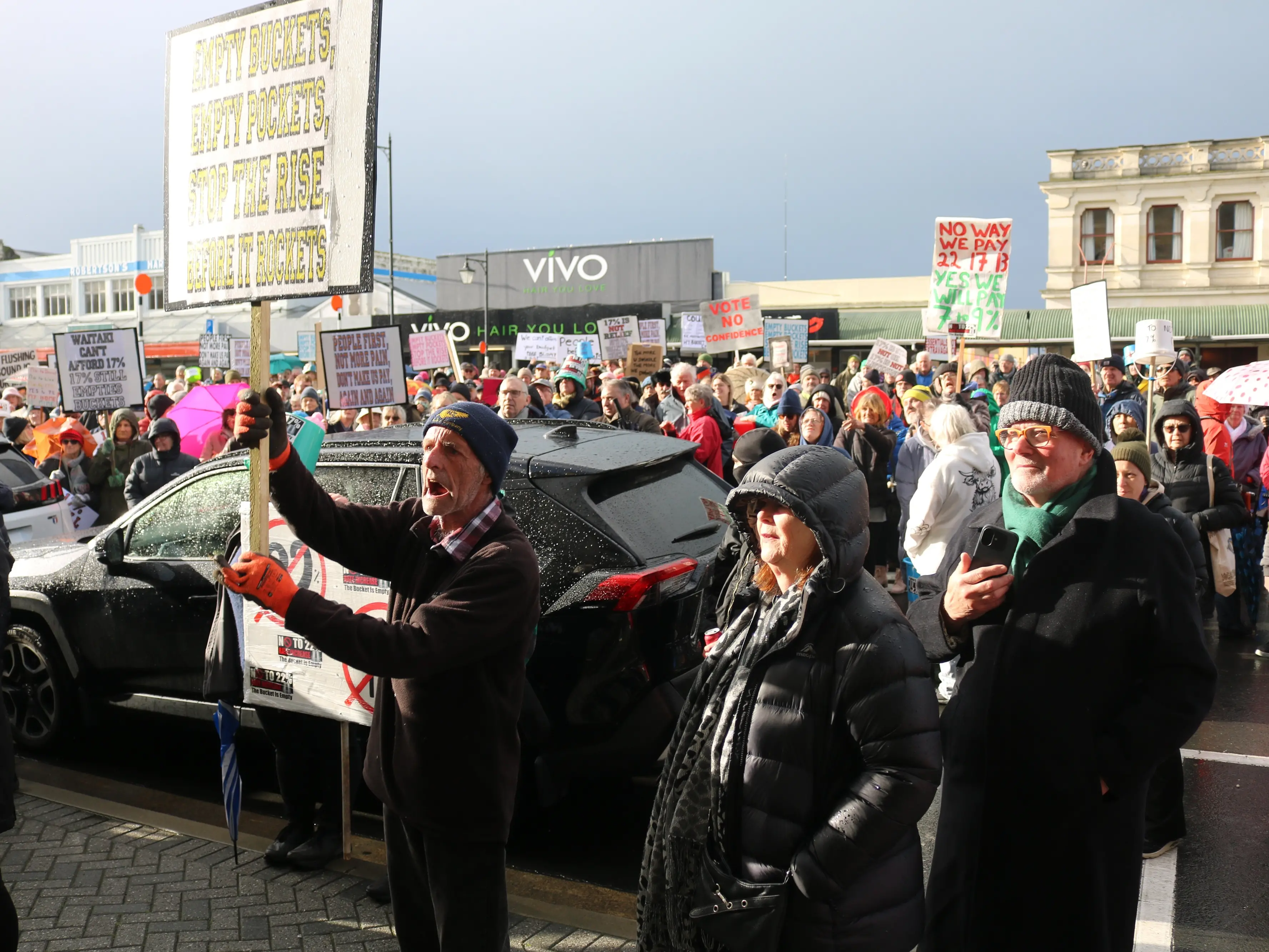
At the beginning of last week, the entire elected [Waitaki District] Council took an action that spoke far louder than any of their finely worded rhetoric that came later.
They chose to inflict harm on this community in the form of a 17% rates hike. The vote was 9-2 in favour of doing so; and the two who voted against that wanted the hike to be higher still. Effectively, all 11 of our elected council personally chose to vote for a massive rate increase.
Don’t get me wrong here, I truly believe that they are all good people. I do know that they have all struggled with this particular decision.
Nevertheless, they did have the chance to vote against the 17% rate rise (not that it was very clear at all what was being voted on!) They, alone, had the power to stop this from taking place. But they didn’t.
Sure, they think they have made it quite clear why they think they need to inflict this harm on our community. And I most definitely disagree with their reasoning for numerous technical (factual) reasons, but I’m not going to re-hash that here.
Their actions stand in very stark contrast to the no-doubt heartfelt expressions of concern that were made by each of them in the discussion before they voted for such a large rate rise. All spoke, some very emotionally, about affordability being important to them (though, interestingly, without ever having sought any actual data about the impact of that). Though I do admit it baffles me how you could, on the one hand, be in tears about your own past financial crises, and then turn around and vote to impose that misery on others.
Now, I don’t doubt for a minute that it was all genuine; I was there in the room, and I heard and felt their passion. Remember, these really are good people. Their words and emotion showed that.
Even so, I am also mindful that every one of them is paid to be in their roles (i.e. additional income above when not elected) so not one of them personally will actually experience the impact arising from their vote.
Ultimately, their actions spoke far louder than their words.
TIMING FELT DELIBERATE
Heck, they didn’t even do the community the courtesy of waiting to hear what the people were saying to them; they just went ahead and voted anyway. While that timing on their part may not have been deliberate, it sure felt that way to me. More especially so because some of the elected council said to me that they felt the petition was just being stirred up by a few people (me included), and that it was not representative of the community, even though I had made the point of saying the count was already over 2000 from a week earlier.
So, to me, if you have already ignored the petition as was demonstrated by choosing to take a vote before even seeing it, then your actions very clearly say that the petition and your community’s views are irrelevant to you. At very best, that is an affront to the community. At worse it is arrogant and deceitful.
Yet, even after knowing that council had already voted for a rise of 17%, our community continued to speak.
Close to five and a-half thousand people signed the petition. Our words are loud and clear: this rate rise is unaffordable. End of argument.
By any measure, that is an astounding turnout for petition signatories given that only 8600 votes were made in the local body elections last year; to put that in perspective, and by way of a direct comparison, our Mayor received 3800 votes in that election; at the other extreme, one ward councillor received just 430 votes.
It is also worth considering that those signatures were collected from across a far-flung district, and in only 13 days.
Absolutely amazing!
And then we took action. Over 500 people braved a freezing cold and bleak day, during work time, and we marched in the rain around to the council. I am certain that the mayor and councillors were taken aback by the sheer numbers of folk there. I know I was.
Accordingly, this community can rightly hold its head up high for taking actions that aligned with what it said: 17% is unaffordable.
We were met with fine, albeit well-meaning, words. We had already been ignored.
So, for me, it was a week in which actions spoke far far louder than words. On both "sides".
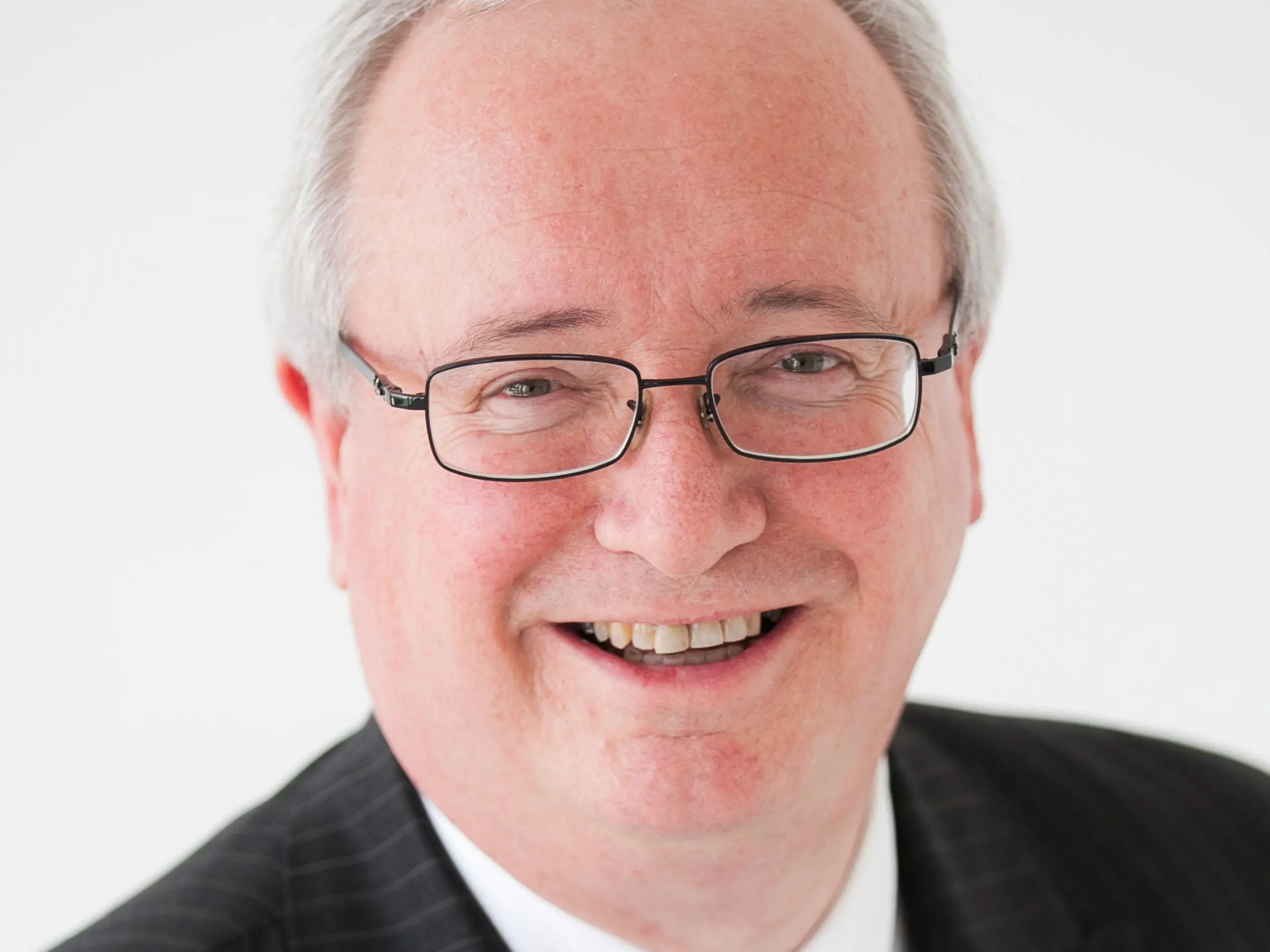
• Keith Marshall is a former chief executive of four councils.
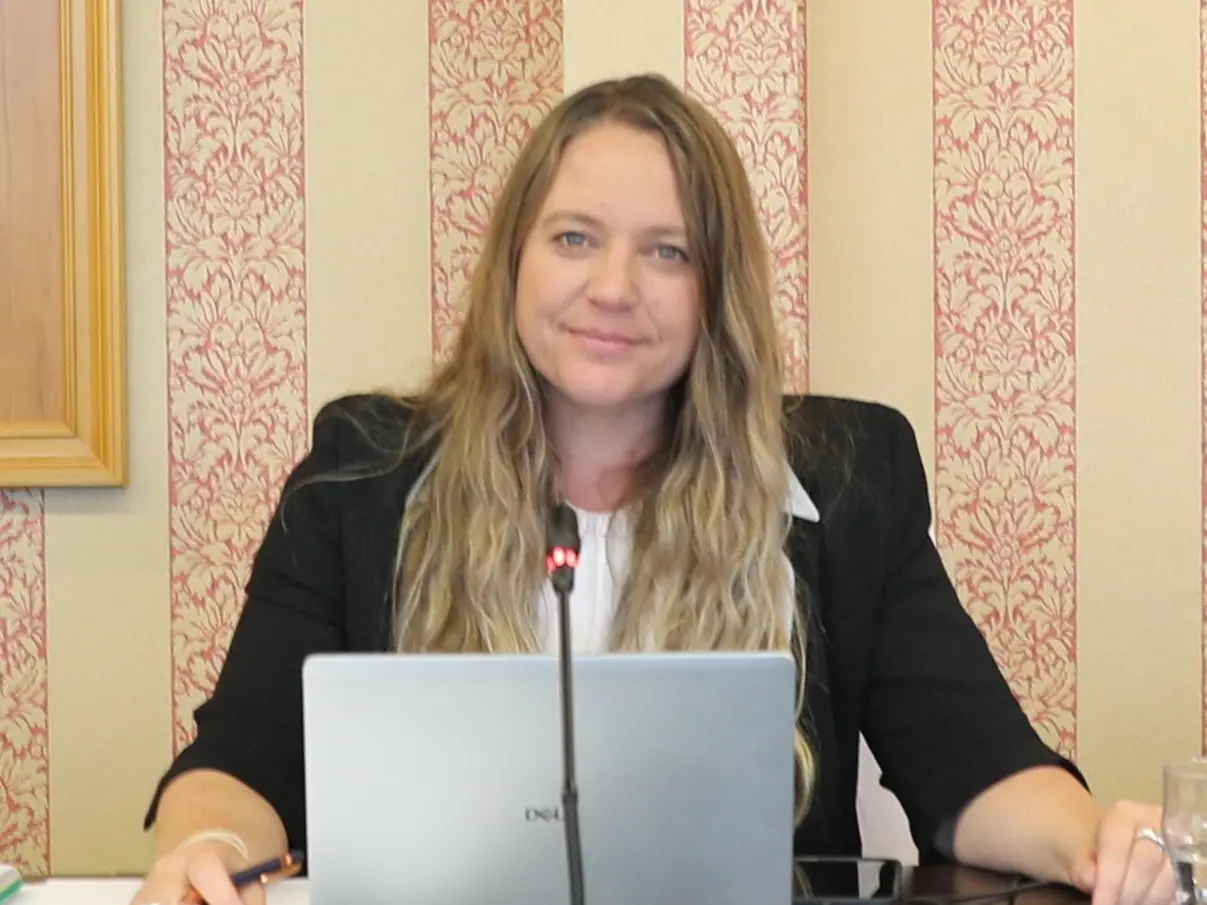
Response from Waitaki District Mayor Mel Tavendale
I understand why people are upset about rates. A 17% increase is significant, and I do not dismiss for a moment the pressure many are feeling. I have heard that pain directly, and it weighs heavily on me and on other elected members.
But if we are to get through this period as a district, we need to be able to have mature, fact-based conversations without turning neighbours, councillors, staff or community members into opposing "sides". Some of this language risks doing exactly that. They suggest deliberate harm, bad faith, or indifference by elected members, rather than acknowledging that elected members are making difficult decisions under serious financial and legal constraints.
It is entirely fair to challenge the council’s decisions, ask hard questions, march, petition and disagree strongly. Those are important parts of democracy. But it does not help our community when disagreement becomes personalised, or when complex financial choices are reduced to the suggestion that elected members knowingly set out to hurt the very people they serve.
The move from 22% to 17% was not made lightly. It was an attempt to provide as much relief as the council could responsibly offer without undermining the Water Services Delivery Plan or putting the council’s financial position at unacceptable risk.
A 7% increase would not have covered the extra costs required through the Water Services Delivery Plan, or met the level of scrutiny being applied by the Department of Internal Affairs.
These changes mean that the council will be close to its debt limit, with only about $6.926 million of headroom. That is about one month of operating costs. For an organisation that provides essential services, looks after public assets and must respond to emergencies, that is not a safe position.
RESERVE FUNDS LIMITED
It is not responsible to borrow money for day-to-day operating costs. Reserve funds are limited because they have been drawn down in previous years to help keep rate rises lower. The council has also turned off funding of depreciation for many assets, most significantly three waters assets, meaning money is no longer being put aside for future capital replacement work. These choices may have softened rates in the short term, but the costs have not disappeared; they have accumulated.
None of this removes the hardship people are feeling. That is why the council will take a lenient approach to penalties on compassionate grounds where people are genuinely struggling. We will continue to work with ratepayers who need support. But compassion also requires honesty: promising a lower rates increase when the financial reality does not support it would be delaying the pain, increasing the risk, and leaving an even larger problem for the community next year.
I am also concerned about the calls for government intervention in Waitaki. This comes at a crucial time, when decisions about the future shape of local government may affect our district for the next 50 years or more. Losing our community’s elected voice from that table would be a serious step, and in my view a short-sighted one.
Waitaki needs strong local representation now, not less of it.
There is room for disagreement. There is room for protest. There is room for robust challenge. But we will not solve the long-term sustainability of this council or this community by dividing ourselves into sides. Let’s stop talking as though this is "council versus community". The council is part of this community. These are hard conversations, but they are conversations we must have together if we want a sustainable future for Waitaki.