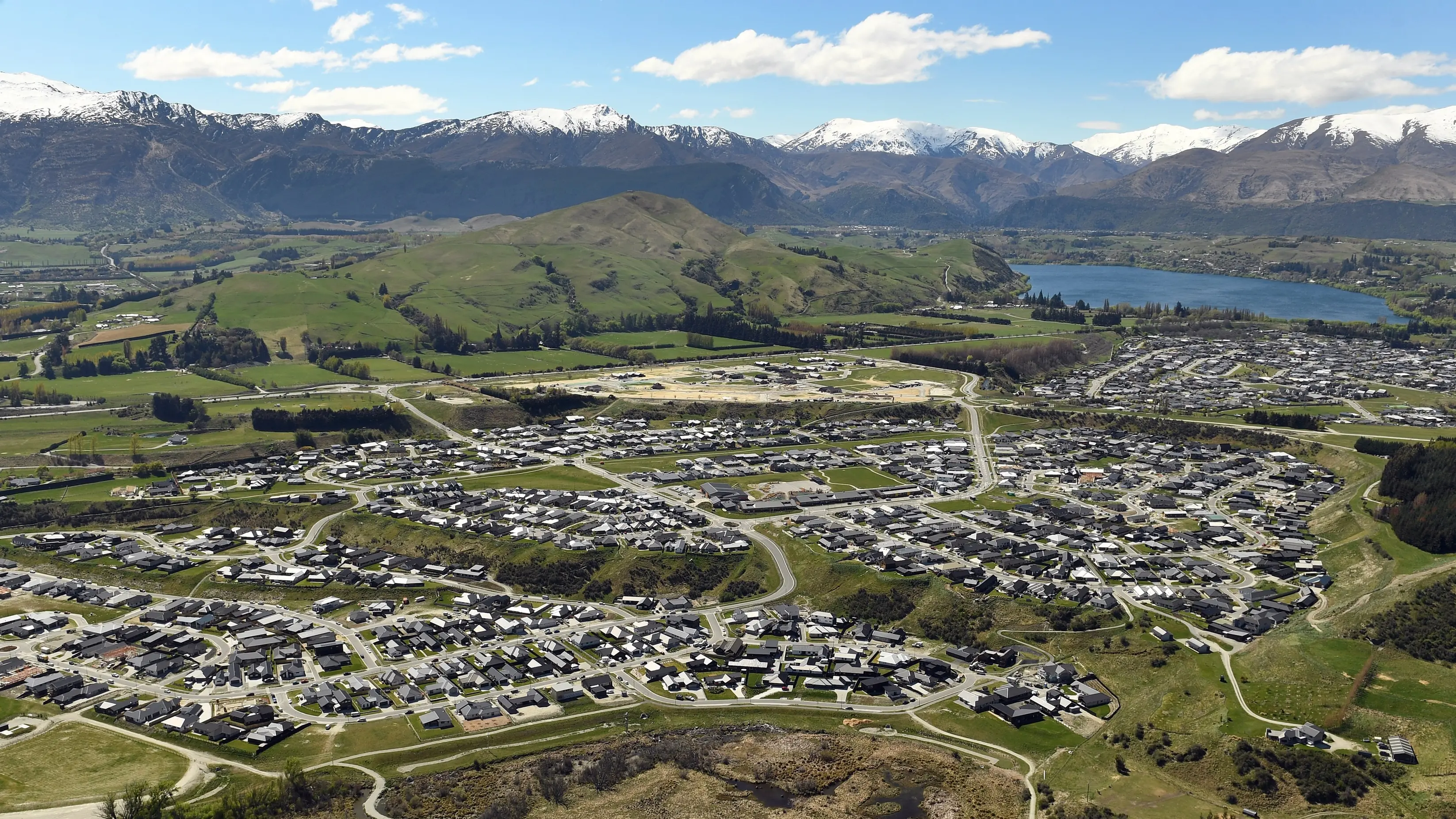
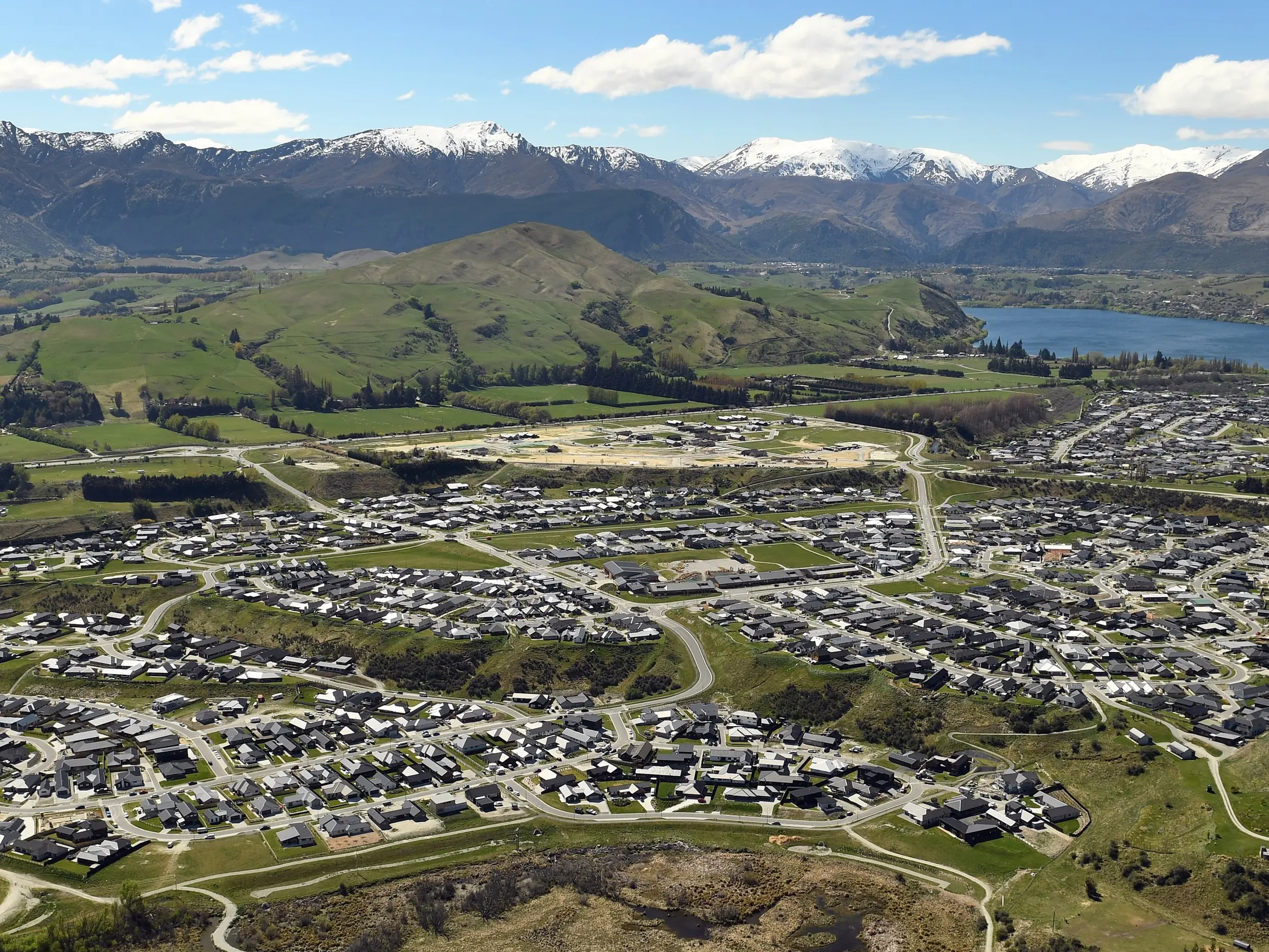
PHOTO

A massive Queenstown fast-track development could become a ‘‘blueprint’’ for powering new communities, Aurora Energy says.
The electricity distribution company said in a statement it was partnering with the developer of the Homestead Bay subdivision to investigate how community batteries, fed by rooftop solar across the development, could be operated as a ‘‘virtual power plant’’ at a local scale.
Aurora and Homestead Bay developer RCL were designing solar, community-scale batteries and smart EV charging into the development’s masterplan from day one instead of installing energy infrastructure after homes were built, it said.
The plan included exporting power back to the grid when it needed it the most.
Additionally, in Glenorchy, Aurora was assessing where modular, network-owned batteries could be scaled up as demand grew, then physically relocated when priorities shifted.
That pilot programme was designed to support local growth, improve reliability for an ‘‘end-of-line’’ community, and provide flexible energy back to the wider electricity network.
Together, the initiatives were helping Aurora understand how community- and network-scale storage could be deployed across the Queenstown Lakes district to ensure its network was well positioned to support the area’s rapid growth.
In the case of Homestead Bay, Aurora chief executive Richard Fletcher said a new zone substation would eventually be required to support the 2800-lot subdivision.
However, the smart use of non-network solutions could defer that investment for several years, while also reducing the costs for residents and maintaining reliability.
He said Aurora’s job was to support the Queenstown Lakes district’s rapid growth ‘‘efficiently, resiliently and at the lowest acceptable cost to consumers’’.
‘‘Combined with community EV charging, Homestead Bay could become a blueprint subdivision of the future, where solar, batteries and EVs are designed in from day one, not bolted on afterwards.’’
Mr Fletcher said there was a ‘‘bigger prize at stake’’ from 2031.
‘‘If non-network solutions and distributed energy resources are properly planned for, incentivised and accessible, they can materially reduce the cost of meeting the region’s electrification ambitions - including how and when the transmission grid is upgraded.
‘‘Getting this right would deliver significant savings to our customers over the long term.’’
RCL chief executive David Wightman said the collaboration reflected a more integrated approach to infrastructure in modern developments.
‘‘Large-scale developments like Homestead Bay let us think about energy infrastructure from the beginning."