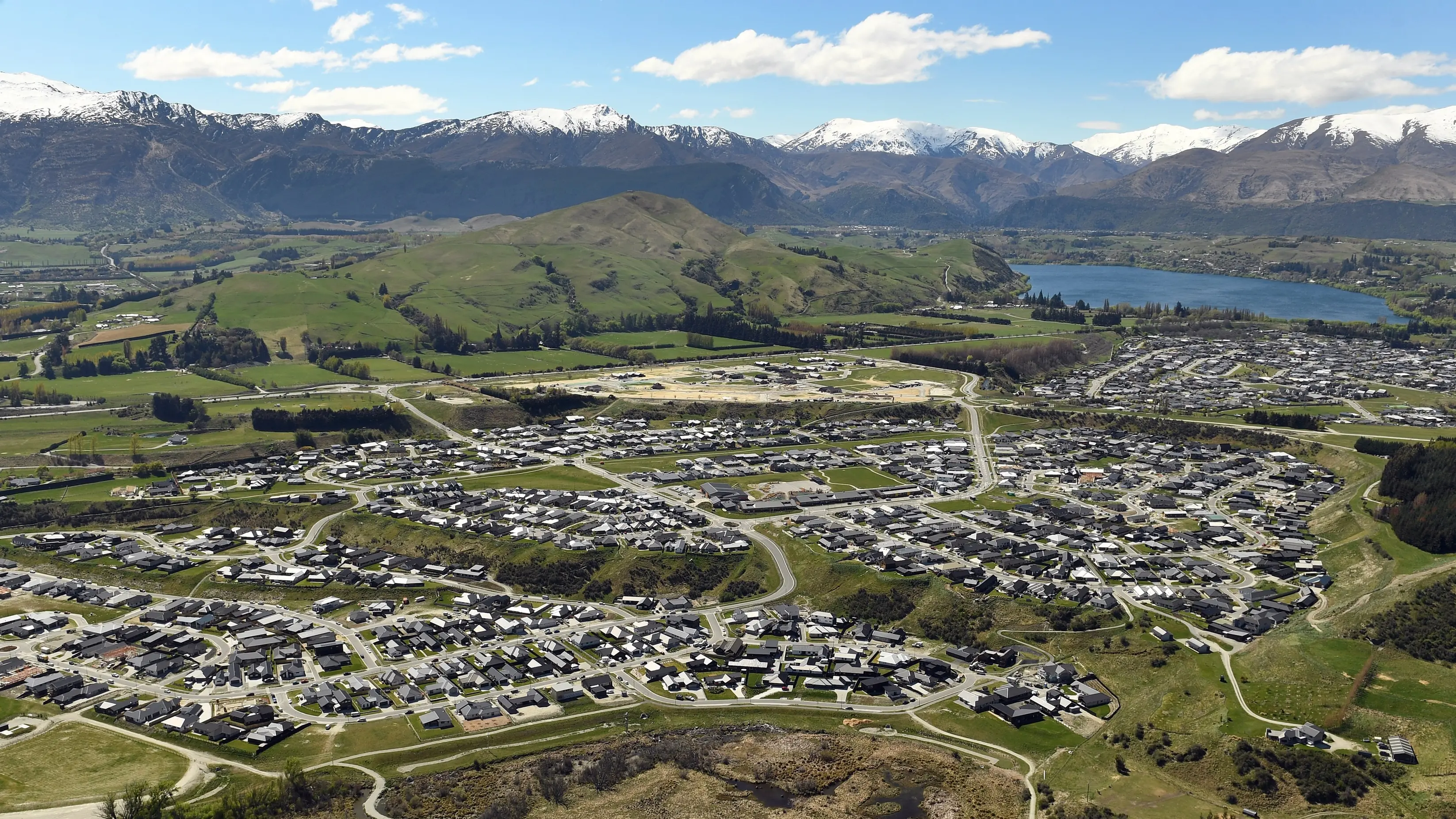
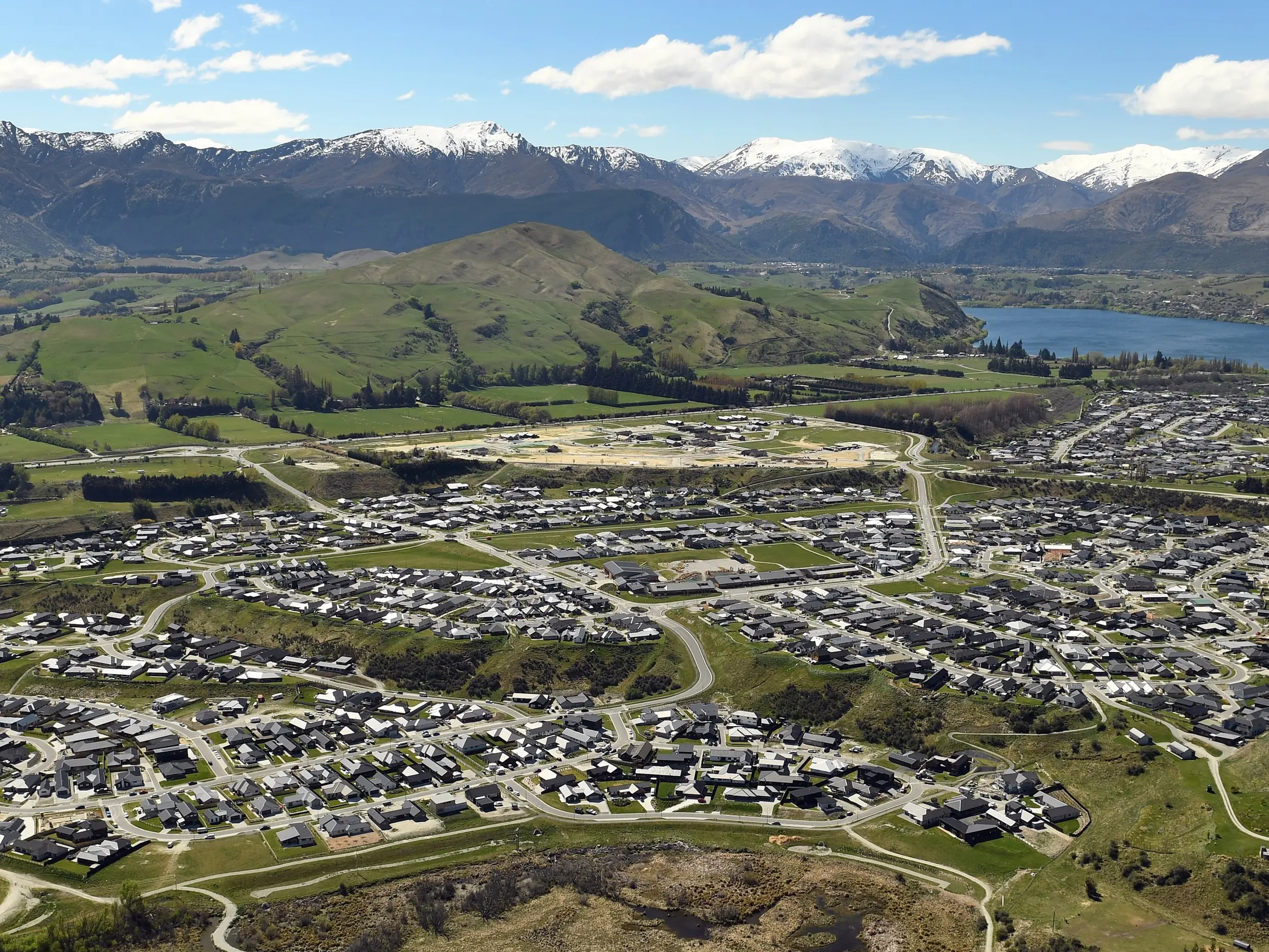
The Arrowtown boundary, adopted by the Queenstown Lakes District Council in October, has been appealed to the Environment Court by Michael Hill's family as the Boxer Hill Trust.
The notice of appeal from the trust's solicitors Lane Neave said it was appealing "the entire decision" relating to plan change 29: Arrowtown boundary.
The trust said it owned a "significant amount of land" south of the existing Arrowtown township and sought to either have the plan change "rejected in its entirety" or have its land included in any boundary established for the town.
The plan change and an urban growth boundary were "unnecessary" and would "not enable people and communities to provide for their social, economic and cultural well-being", its notice of appeal said.
It would also lead to "inefficient use of land" and would not enhance amenity values or the quality of the environment.
The notice said if a boundary of "some nature" was found to be justified, the proposed location of it was "not the most appropriate".
"The decision to exclude the trust's land ... from within the [boundary] is not informed or justified by any evidence.
"The purpose of the plan change was to incorporate land that will provide for the full range of activities needed to support Arrowtown's urban population over a 20-year time period, including land for reserves, schools, healthcare facilities and emergency services, as well as residential, commercial and employment-based development.
"However, the [boundary] as proposed does not contain sufficient land to cater for this full range of activities.
"Much of the land proposed to be included will not be suitable for these activities as [it is] locked up as reserves or otherwise inappropriate.
"The inclusion of the trust's land will better enable the purpose of the plan change to be fulfilled."
Arrowtown resident Mia Bennie, a supporter of the adopted boundary, said the appeal process meant the issue had been taken from the community's hands.
"The difficulty with appealing is it opens that box and it's openable for only the people who have the ability to pay for it.
"This will become ... a discussion between council and the people who can afford to appeal.
"Council will be having to spend ratepayers' money to defend a decision wholeheartedly supported by the community," she said.
"Now, it's going through the court process it will be harder for us to participate because we just won't be able to afford it."
The Boxer Hill Trust has also appealed Plan Change 30, which considered district-wide initiatives for urban growth, including the concept of urban boundaries.
It said the plan change failed to provide for sustainable management, which included the future development and use of the trust's land.
"In particular, the requirement for urban growth to avoid `any' adverse effect on the landscape, lakes and rivers of the district is impractical, as arguably any development has some adverse effect and this will lead to an inconsistency [with the Resource Management Act]."
Identifying an urban growth boundary and the approach to growth in the plan change undermined the council's ability to "consider rezoning proposals in the future", it said.
Among the relief sought was for provisions to be included "which would enable future growth and development" on the trust's land.
Both appeals were lodged on December 15 with the Environment Court.