
PHOTO
We all know affordable housing in Upper Clutha is no longer really a thing, yet every week we meet people trying to make it work anyway.
For many, the question is no longer whether they can buy a home, but whether they can stay at all when even a small setback tips them into crisis.
At Community Link we are seeing more households who look stable on paper but are only one unexpected bill, health issue or rent increase away from needing urgent support.
Housing pressure is no longer just a market issue, it is a wellbeing issue that affects financial stability, mental health, and people’s ability to stay connected to community.
New houses continue to be built across Wānaka, Luggate and Hāwea, yet the people who keep this region running are struggling to access them.
There is a growing mismatch between the homes being built and what people actually need, with larger higher-end houses dominating while smaller and more affordable options remain limited.
A significant number of homes also sit empty for much of the year as holiday homes or short-term rentals, further reducing supply for locals.
Despite visible growth, availability is not increasing in a way that supports the community.
According to the Queenstown Lakes Community Housing Trust, about 370 people in Wānaka are currently waiting for an affordable pathway into housing, while just 22 homes are under construction.
Affordable housing is not just about those in immediate hardship, it is about the teachers, nurses, hospitality staff, tourism workers and increasingly tradies who keep our community functioning.
When those workers cannot make the numbers stack up, they move on and the effects ripple through schools, businesses and essential services.
Parents see it in teacher turnover and unfilled roles and businesses feel it when positions remain vacant or constantly changing.
Older members of our community are facing significant housing challenges, with many unable to find suitable or affordable options.
For some, that means leaving the Upper Clutha altogether and losing not just a home but a place they helped build and their sense of belonging and connection.
We are left with a simple truth that we are building more houses, but not necessarily the right homes.
There are solutions emerging, but they need to be scaled and supported.
Some larger employers are investing in worker accommodation, helping reduce pressure on the rental market and keeping essential staff in the region.
Community-led models like the Queenstown Lakes Community Housing Trust are creating innovative pathways into secure housing, doing clever things like partnering with the council to unlock land, such as bringing together five former senior units on Upton St with an adjoining site to enable a 12-home development, but demand continues to outpace supply.
Inclusionary housing is another important approach, where developers contribute a portion of new development towards affordable housing for the community.
Initiatives like Abbeyfield Wānaka offer a different solution by providing housing for over-65s who want independence alongside social connection.
Plans for a 12 to 14-resident Abbeyfield house would allow more locals with limited assets to stay in the place they love rather than being forced to move away.
These solutions all share a focus on local people rather than simply increasing housing supply.
Housing is not just about buildings, it is about whether our community remains diverse, connected and able to function.
If we want a thriving Upper Clutha, do we need to think differently about what success looks like in housing?
That means supporting a mix of solutions, backing developments that include affordable options and staying engaged in shaping the future of our community.
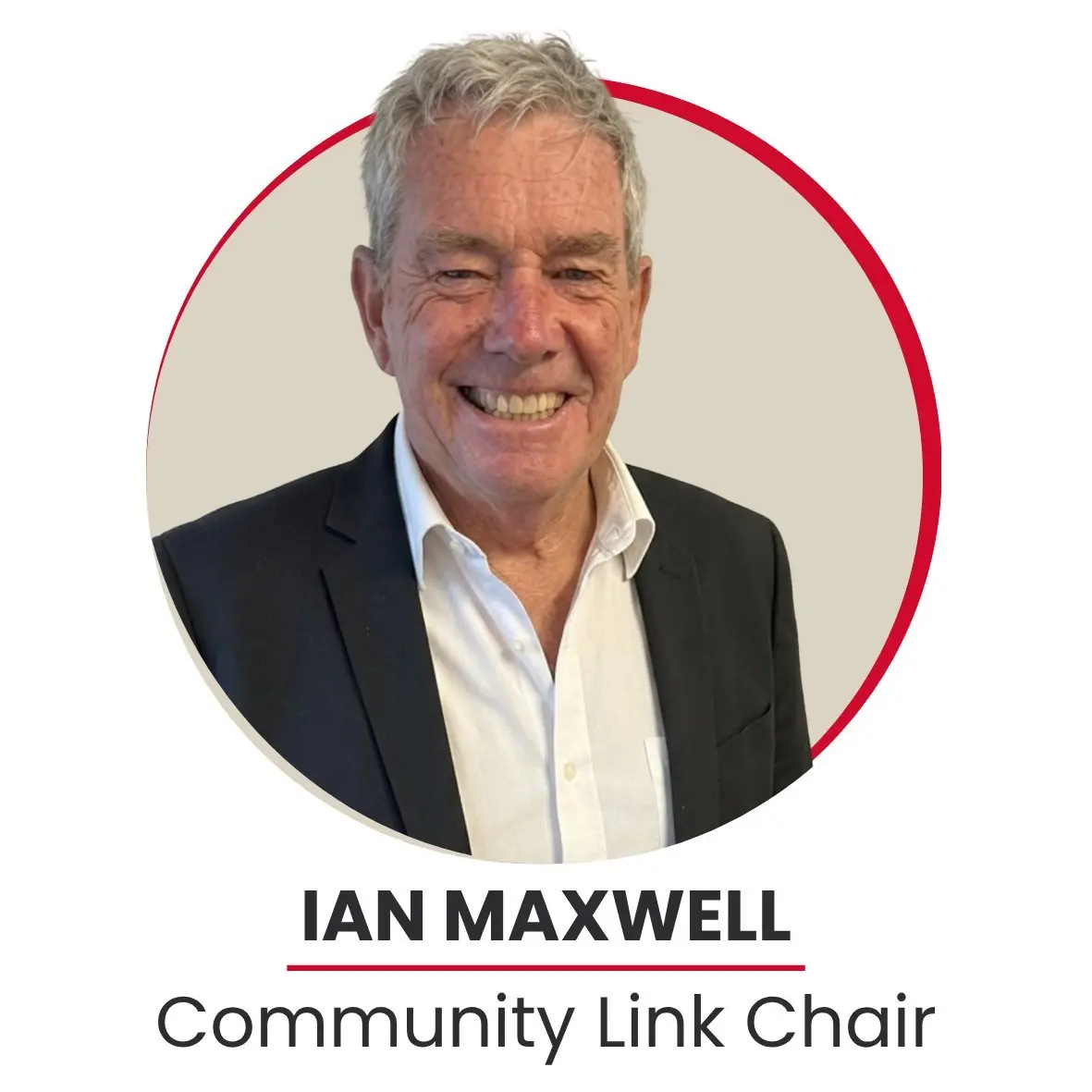
• Ian Maxwell is chairman of Community Link.