
PHOTO
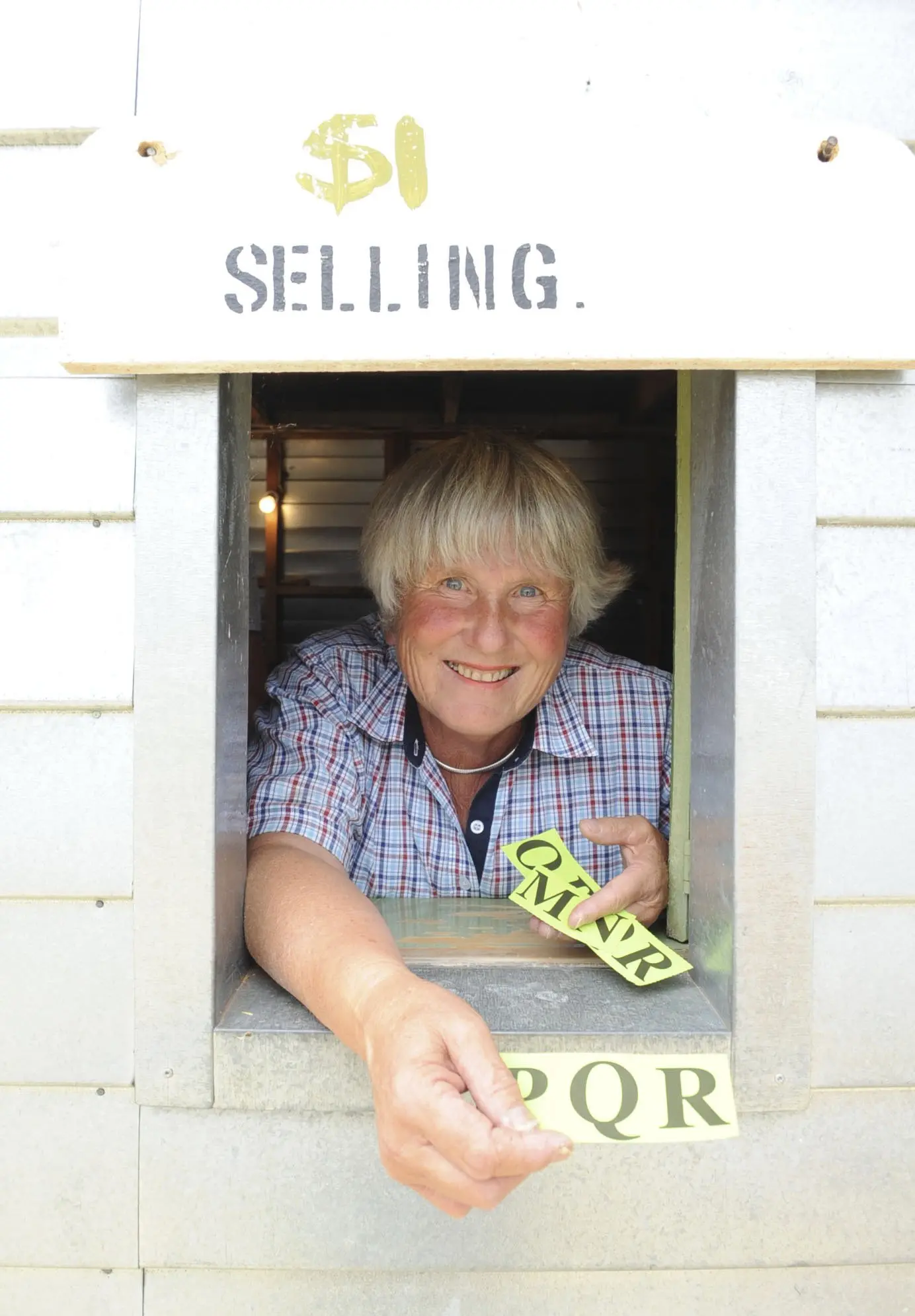
After 57 years as a volunteer at the Hawea Picnic Races, 80-year-old Judy Muir jokes her parents might not have approved of this achievement.
"They’d probably raise their eyebrows. They weren’t race people."
It is said tongue in cheek, but it was through marriage that Mrs Muir found herself every year after Christmas stuck inside the hot aluminum totalisator building.
"There is little ventilation, but they put windows in and a light and recently lined it all. It is a very small space for eight people to work in."
The first Hawea Picnic Race was held in 1946, and the event is now one of the country’s oldest community racing events, usually attracting at least 1500 visitors.
Mrs Muir’s late husband Fred first attended as a child and his father had been there from the very start.
The Muirs’ children Catherine Ruri and Andrea Tisdall volunteer every year, along with their children, Mrs Muir’s grandchildren.
"It is community at its best," the Wanaka woman, who is standing down as a volunteer, said.
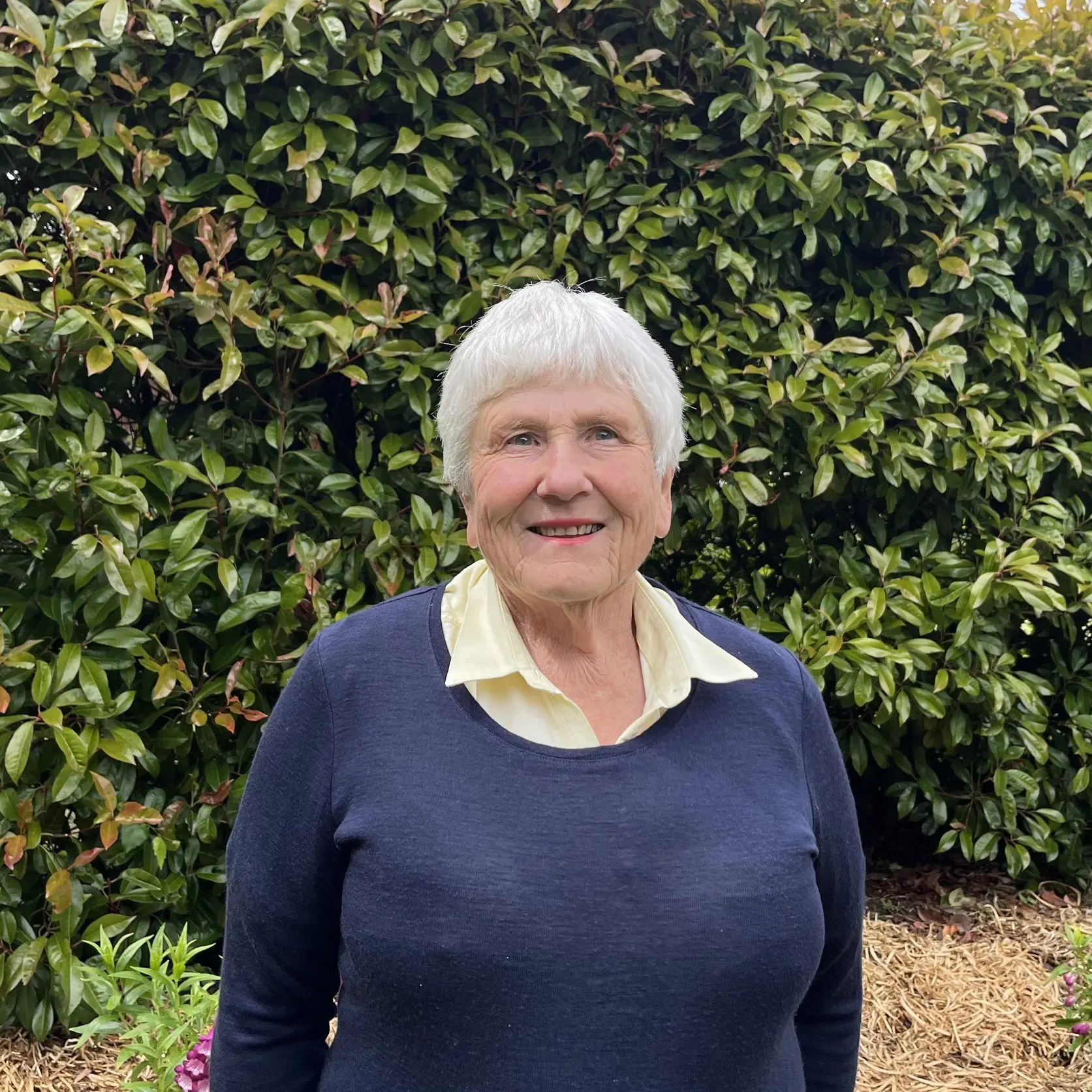
Last year the races were cancelled for only the third time in their 79 years, because of a lack of entries.
Thanks to the efforts of community members such as Hāwea Picnic Racing Club president Warren Hewson, former vice-president Gerry Shaw, Tony Kitto, Mrs Muir and many other volunteers, the races are returning on December 30, a change from the usual date of December 28.
The picnic races feature pony gymkhana events (jumping, pole bending), family fun sports races (sack races, lolly scramble, tug-of-war), and equalisator horse racing (harness racing, a locals’ hack race, human runner v horse).
Mrs Muir was brought up in Tarras on a sheep farm, then later farmed with Fred in Hawea Flat before they sold much of their land to Lake Hawea Station.
She was also a dental nurse for eight years, before having her family.
She attended the races as a volunteer for the first time in 1966, and she has never gone to the races as anything but.
"I was in the tote where I’ve always been, just a seller. And moved to a role of [tote] manager later on."
She said she had "very rarely" placed a bet herself and had certainly never had a winner.
Proceeds from the races go to charitable causes, such as Hato Hone St John or the local volunteer fire brigade.
She says the day is a good little fundraiser for the growing community.
"The timing is good; people arrive in Wanaka with money in their pockets
"If the lake is rough, people come in droves.
"If the lake is calm, they like to be making the most of that."