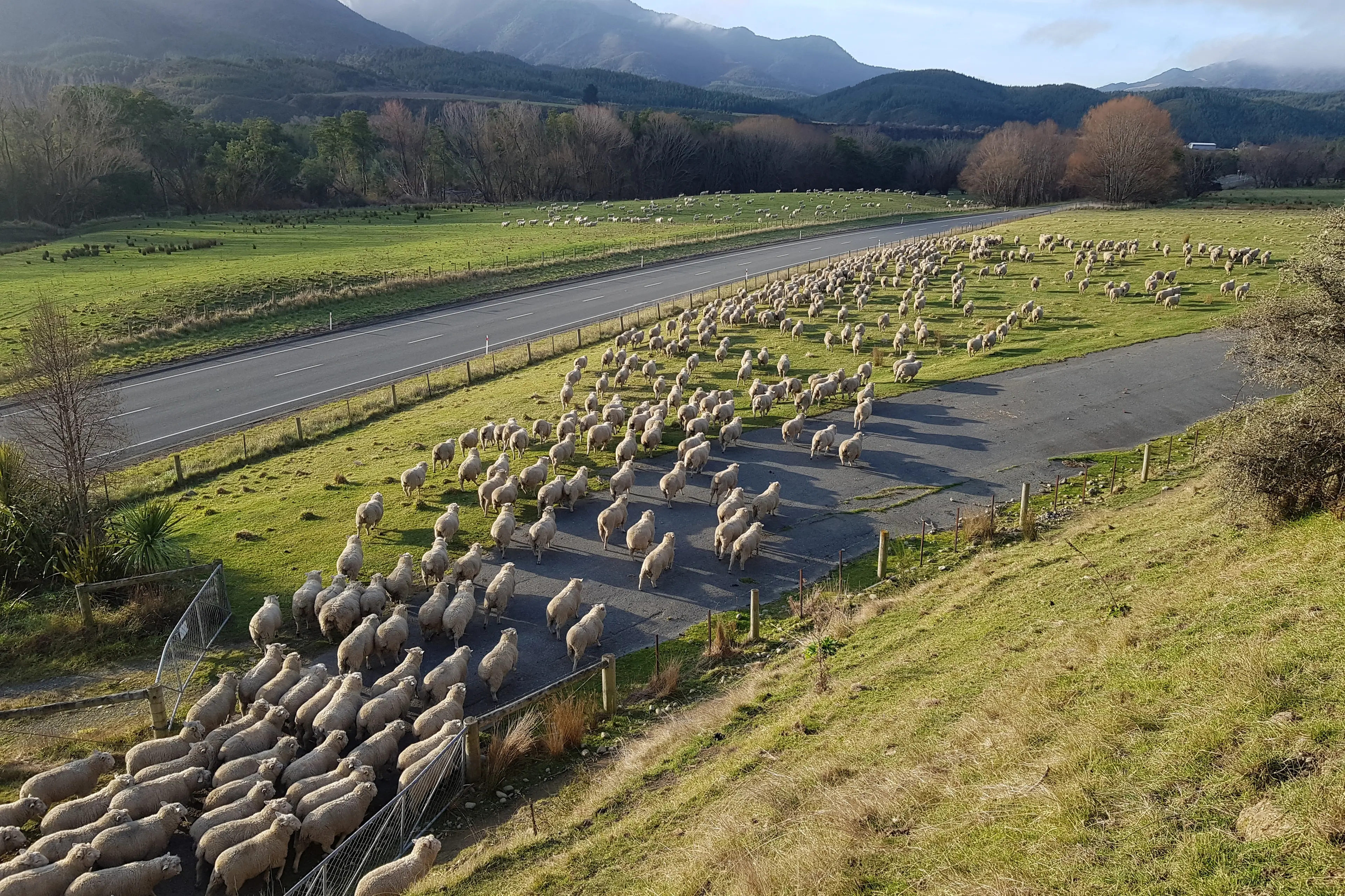
Farmers are swinging between paying more debt off and adding more land to their farms on the back of strong meat and milk prices. Reserve Bank data shows total agricultural lending dropped $1.4 billion last April from the previous month to $61.2b. The debt repayments were driven by record beef and sheep farmgate prices and further high milk prices topped up by the capital return of $2 per share for farmers shareholders — about $400,000 for the average supplier — from Fonterra’s multibillion-dollar sale of its Mainland Group consumer business to Lactalis. However, this ended up being short-lived, flipping in May when farmers took on $900 million of debt. Federated Farmers has a theory farmers are making more capital investments in land or upgrading their properties. Otago Daily TimesFederated Farmers banking spokesman Mark Hooper. Photo: Shannon Thomson Banking spokesman Mark Hooper said the combination of higher returns had likely allowed farmers to initially reduce loan principals at a “meaningful’’ level. He said farmer debt tended to wash in and out and the $1.4b payback was exceptionally more than previous years. This was probably a reflection of improved cashflows from good milk, sheep meat and beef prices and the Fonterra capital payment, he said. [Missing Credit]High sheepmeat, beef and dairy prices are encouraging farmers to pay off debt and toy with the idea of adding more land to their farms. Photo: Supplied “That’s probably strengthened a lot of people’s balance sheets and will give them a bit more wriggle room with the OCR going up a little bit and milk prices just going down a bit and fertiliser and fuel all going up so a squeeze is going on. But the interesting thing to follow off from that is we have since discovered for the end of May rural debt went back up by $900m.’’ Mr Hooper said they were speculating this was a result of renewed investment and expansion in dairying. “In a way that’s a good thing because it reflects a confidence and reflects support from the banks. That $900m is also a record figure.’’ Farm spending often increases in May, but the sudden rise is up likely another $400m. Mr Hooper said the previous $1.4b drop in agricultural lending was still a good result as many farming operations had improved their financial footing. “For a typical farm that is not in expansion mode it would suggest given the scale of debt reduction a lot of places would have created a bit of wriggle room for themselves. The $900m spend is probably from those with good balance sheets or who are in an expansion programme.’’ A Federated Farmers banking survey in May of nearly 540 farmers found falling farm mortgages and improved farmer-banker relationships. About 41% of the farmers had mortgages under $2m. Average mortgages for sharemilkers and dairy, meat and wool farms all fell significantly in the six months to May. Mr Hooper said the exception was arable farming with its median mortgage of $3.5m the highest of all farm types. “That sector is in near-crisis mode, with weak grain prices, rising costs, tough growing conditions and competition from lower cost imports.’’ The cost of replacing machinery was above returns being received and there was no clear pathway the cereal market would shift markedly. Arable returns had been buffered previously by finishing store animals, but they were in limited supply, processed pea factories had closed and there was a concern these changes could trigger a downward spiral. The specialist seed market was still a strength and this could be expected to increase, but a base level in cereal crops was still needed, he said. Farmer satisfaction with banks reached 69% in May, the highest rate recorded in surveys over the past eight years. Only 10% of farmers were feeling undue pressure from their bank, the lowest since 2018. The average mortgage rate was 5.49%, down from 5.78% in the November survey. Mr Hooper said there appeared to be competitiveness between banks for the share of rural debt and the interest rate margins for term loans and overdrafts were fairly tight. He said banks were delivering good service and communication via agri-managers as a result. “One of the challenges banks have going forward is being able to retain good people so they have endearing relationships with clients. How much is the level of positivity related to a good commodity cycle versus a genuine desire from the banks to provide a good ongoing service.’’ A handful of “shockers’’ in farmer experiences with banks continued to come through, he said. He said banks needed to remember farming was an enduring business and their support should carry through in the good times and bad. Many farmers were dealing with succession planning and needed the support of banks even if farming dropped back to a lower commodity cycle, he said. “The other thing that is happening is there’s a fairly rapid change in technology with wearables [such as cow collars and ear tags], precision agriculture and the pressure to get the most efficient use out of nitrogen irrigation as the cost of urea has doubled the past five years to $1400 a tonne now so you don’t want to waste it and be using it wisely so people are looking at technology.’’ A younger generation would drive much of this change and banks needed to step up for this to happen, he said.