PHOTO
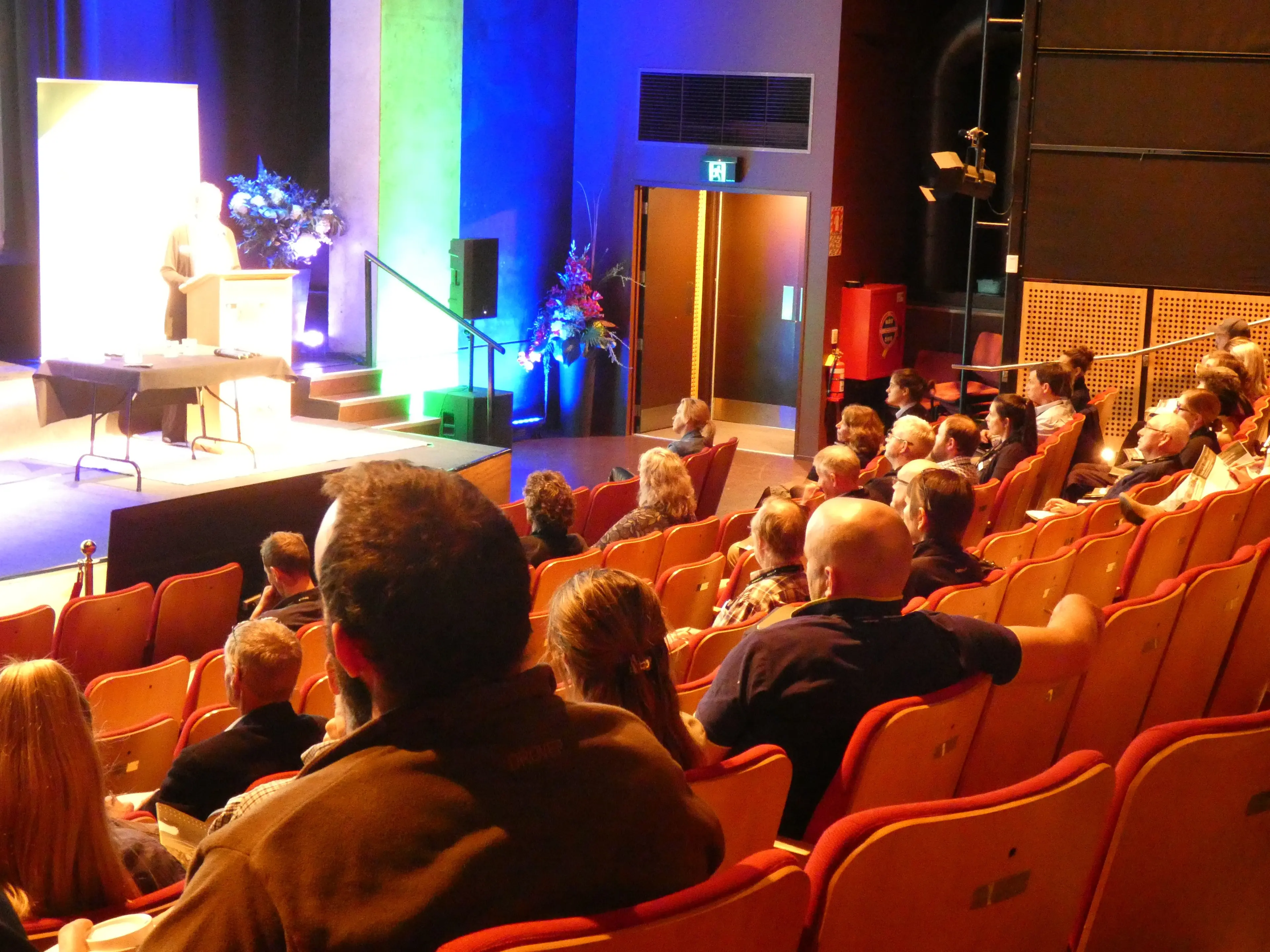
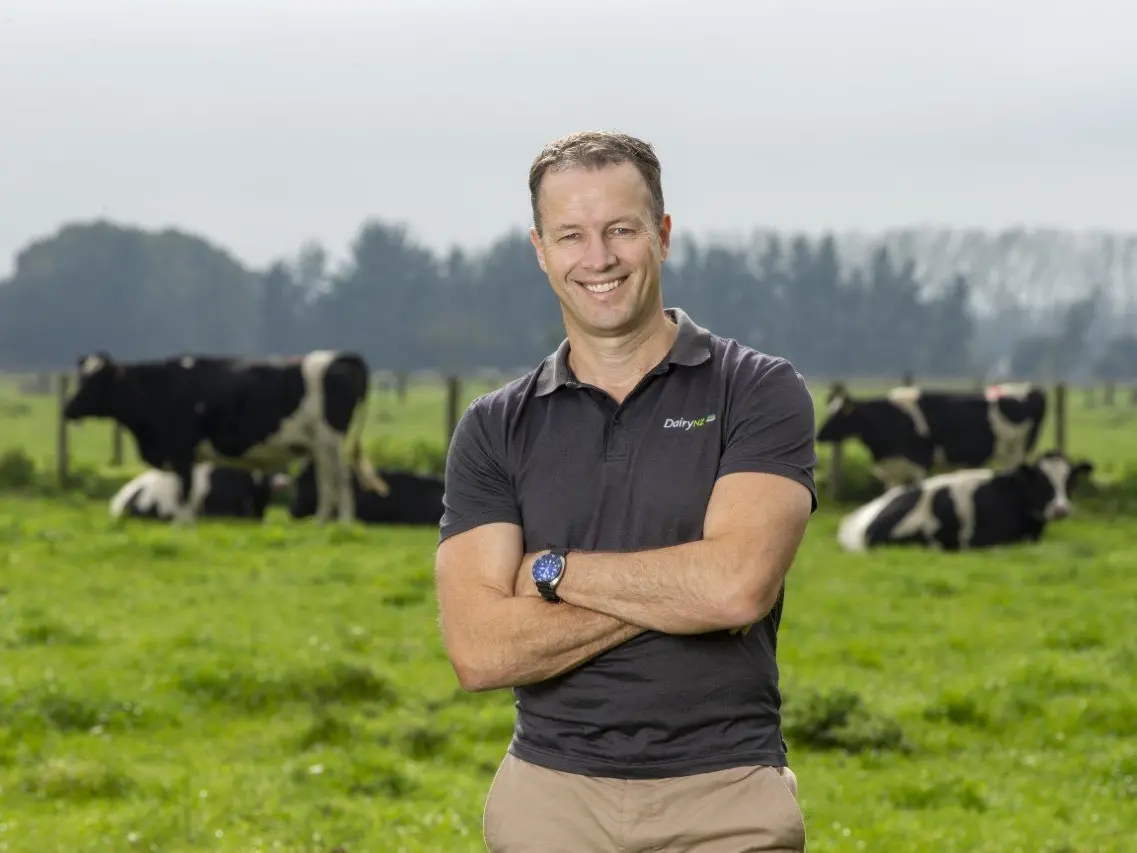
A highlight of exiting chief executive Tim Mackle’s time at DairyNZ has been seeing science teams work with farmers to develop and deliver world-class solutions.
Dr Mackle revealed the insight during the DairyNZ Farmers Forum in Ashburton which had a "Research to Reality" theme.
He said the farmers and staff were the reason he had enjoyed working at DairyNZ for so long.
He leaves the role at the end of the month after more than 15 years at the helm of the organisation.
"A lot of this innovation has occurred here in Canterbury," he said.
"Growth in the sector has brought staffing challenges. Farmers here have also been the first to meet changing environmental regulations. And farmers also need to stay profitable."
More than 9000 people are employed in the dairy sector in Canterbury, which contributes about $10billion to the region’s economy.
Dr Mackle said dairying was meeting changing regulations while improving profits.
A clean stream accord in 2003, and the Sustainable Water Accord in 2013, were underpinned by water quality science and led to major changes in farming practices, hesaid.
DairyNZ started research on nitrogen leaching almost 20 years ago, with key trials across the country.
In Canterbury, the organisation and research partners then teamed up with farmers to show that using forage crops could reduce nitrogen loss by about 20%. That led the way for farmers nationwide to adopt them.
"I just want to take a moment to acknowledge two leading farmers who made a valuable contribution in testing the science of reducing nitrogen in their farming operation — Jan and Grant Early and I want to extend our sincere condolences to Grant and family, and the whole community, at Jan’s passing."
The couple and other farmers worked alongside scientists and other experts in Selwyn and Hinds, helping DairyNZ introduce science solutions to help meet tough nitrogen loss targets.
Dr Mackle said widespread changes had since been made on local farms with a survey of Selwyn and Hinds farms finding all of them were making changes to reduce nitrogen loss.
Other investment into improving animal genetics and feed supplement research was helping farmers increase profits, he said.
He said the organisation was also supporting farmers through a staff shortage.
"Our research with farmers into flexible milking has shown that 3-in-2 milking can be used on farm with only a small drop in milk production. Farmers also reported seeing body condition scores improve and lameness reduce."
By using MilkSmart strategies, 20 case study farms were also able to save an average of one hour per milking and some farms reported less lameness and mastitis.
"Our science team is continuing to work closely with farmers to design new solutions to the challenges you face which work on-farm."
Dr Mackle acknowledged the area’s iwi, Ngāi Tahu, and rūnanga of Arowhenua and Ngāi Tūāhuriri.
He said DairyNZ was proud to be working with Ngāi Tahu and other research partners on the regenerative agriculture project at Ngāi Tahu Farming’s dairy and grazing farm, Te Whenua Hou, in Eyrewell.