PHOTO
A fifth-generation family of Canterbury barley growers have built a business supplying malt products from locally grown crops to breweries as far as China.
On top of domestic sales, Gladfield Malt exports to beer makers in the big Chinese market, as well as Japan, India, Australia and the Pacific.
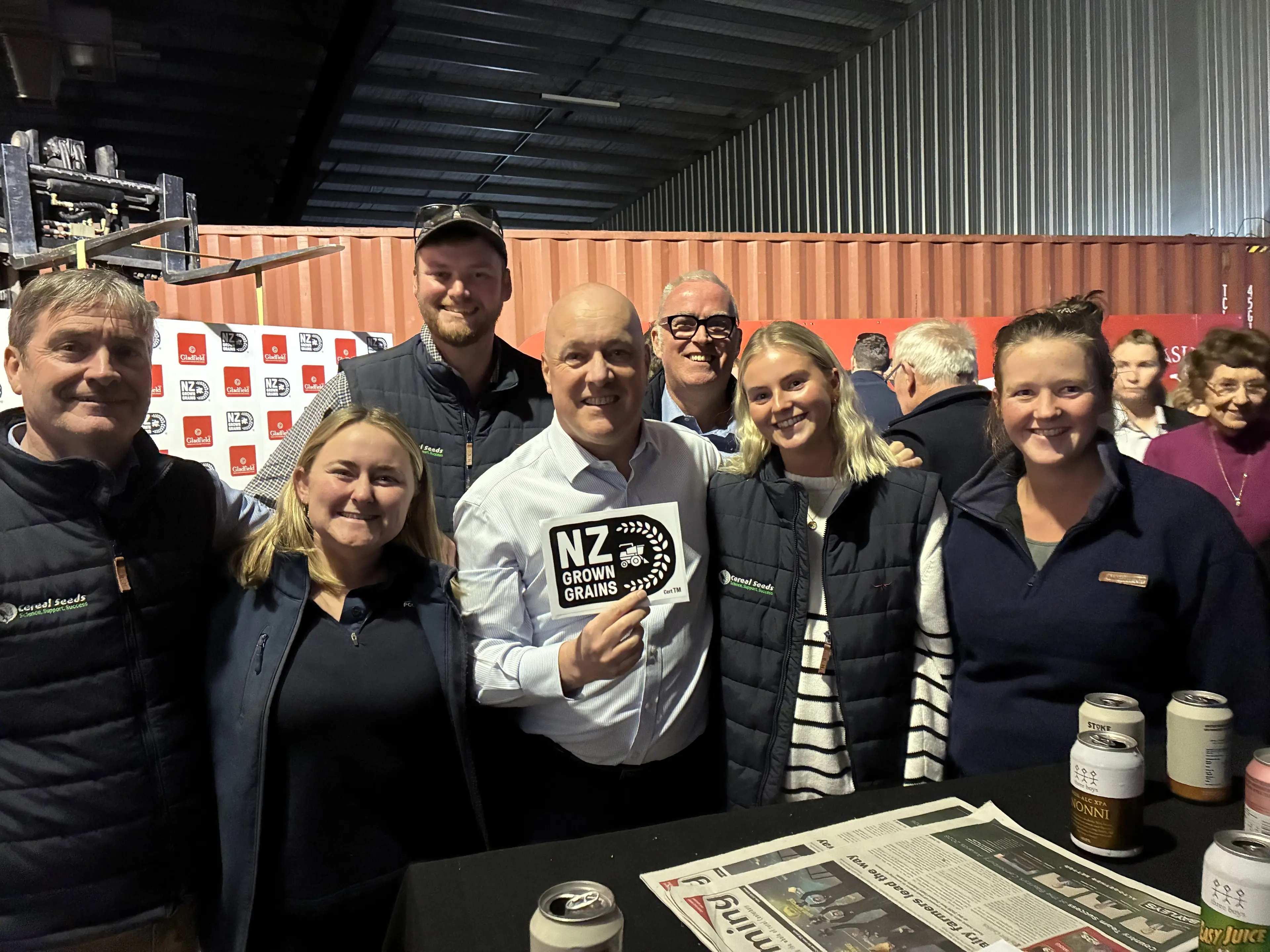
The business was founded by Doug and Gabi Michael more than 20 years ago near Dunsandel and has just celebrated reaching 100% New Zealand grown-status with a special event.
During a grower day, about 300 growers and suppliers arrived with industry people, Prime Minister Christopher Luxon and Selwyn MP Nicola Grigg.
The Michaels grow their own barley and take crops from about 200 contracted growers.
These are processed to produce more than 50 types of malted grains, ranging from base malts ale, pilsner and lager, to roasted malts with specialty colours and flavours such as chocolate and supernova.
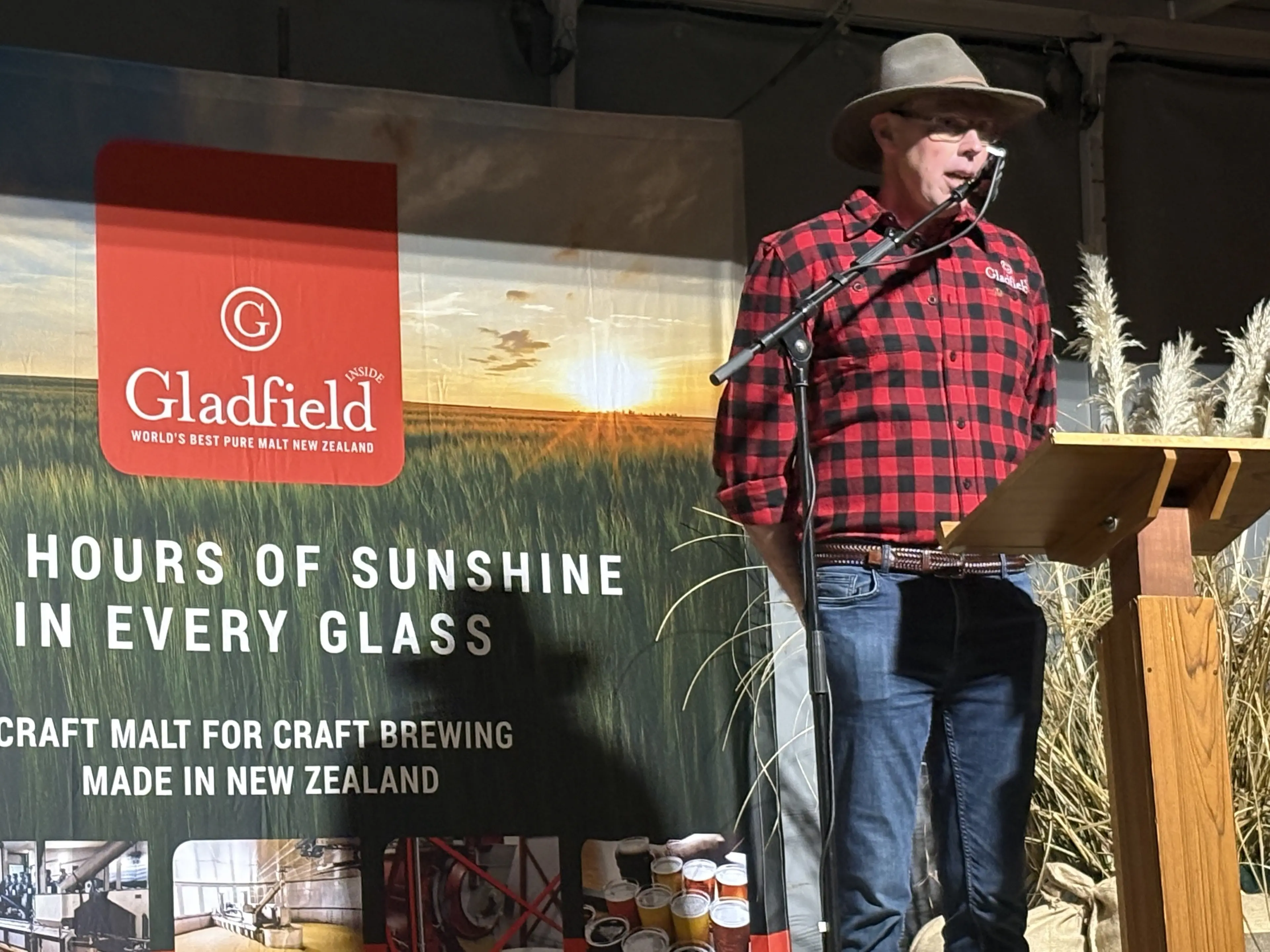
Mr Michael said they never dreamed the business would grow as much as it had.
The couple had skills matching each other, he said.
"I made it and Gabi sold it."
The NZ Grown Grains branding initiative makes it easier for consumers to identify domestically grown products.
"We need to tell the world about the importance of looking after local. The arable industry is undervalued in New Zealand. We are going to change that. Growing and processing crops is expensive. Shipping crops around the world is even more expensive. So, food security is more important than ever," he said.
Arriving at where they are today has not always been plain sailing.
Their business was set back by damage from the 2010 earthquake and reduced demand during the February 2011 Christchurch quake and Covid-19.
Hospitality waning during the pandemic led them to pivot to new markets and products.
Hamilton-based Good George co-founder Brian Watson is a big supporter of locally grown grains.
"We need to put that on our cans. Brewers cannot exist without growers producing malting barley," he said.
Malting barley growers had been "faceless" until he met the Michaels at the field day and he was looking forward to building the relationship.
When Good George started 15 years ago, it initially used imported malt, he said.
"However, I realised we were suddenly getting 20% extra beer out of the malting barley and the difference was the Gladfield Malt supply."
They had sourced all of their malt from the Dunsandel business since, despite being offered cheaper product from overseas.
"Relationships with people you work with through the supply chain are just as important as your customers."
Brewers and hospitality were also facing rising costs and competitive pressures, he said.
Foundation for Arable Research business operations general manager Ivan Lawrie said support had grown quickly since the launch of a logo last October, with 25 companies signing up to use the branding.
Bakeries and supermarket brands including Harraways oats, The Good Oil edible oils and Otis oat milk now carry the logo.
Mr Lawrie said consumers, particularly in the North Island, were more likely to be eating imported grain, especially if they were eating bread.
Mr Luxon lent his support to the campaign.
"As arable growers, it is not easy, with the ups and downs of weather events, commodity prices and rising costs."
The free trade agreement with India would reduce tariffs on malt by up to 33%, he said.
That was a huge opportunity, with the middle class in India growing from 440 million now to 750 million by the end of the decade.
"As their country gets wealthier, they want better quality food and beverages and we can sell this to them."
By 2030, the Indo-Pacific region would be home to two-thirds of the world’s middle class.
"The thinking that we are a long way away from markets is no longer the case. Instead, we are in the middle of the most dynamic region in the world."