PHOTO
Construction of new living quarters on Jeff Farm begins soon and aims to increase the cadet intake from 2028, a manager says.
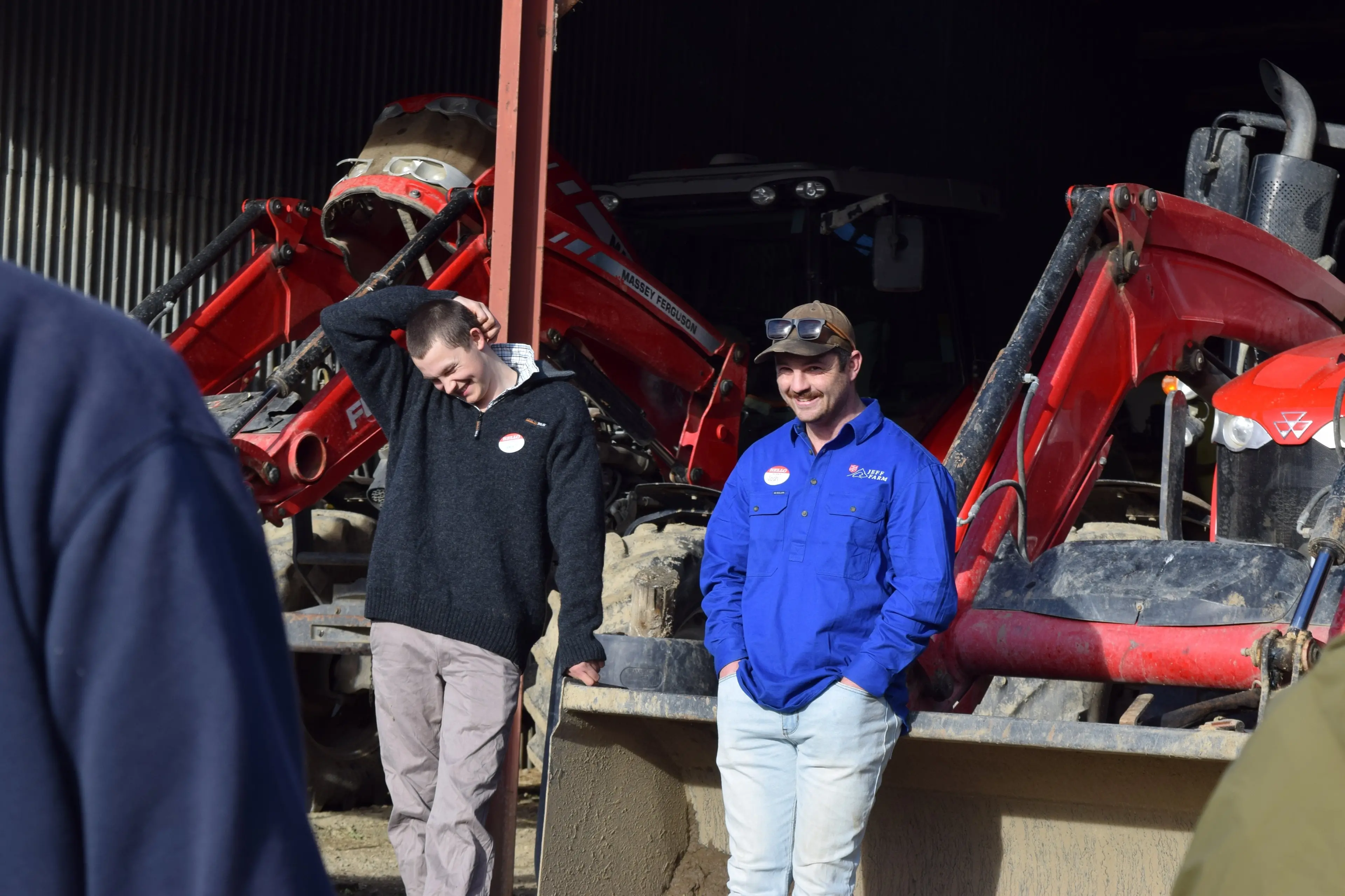
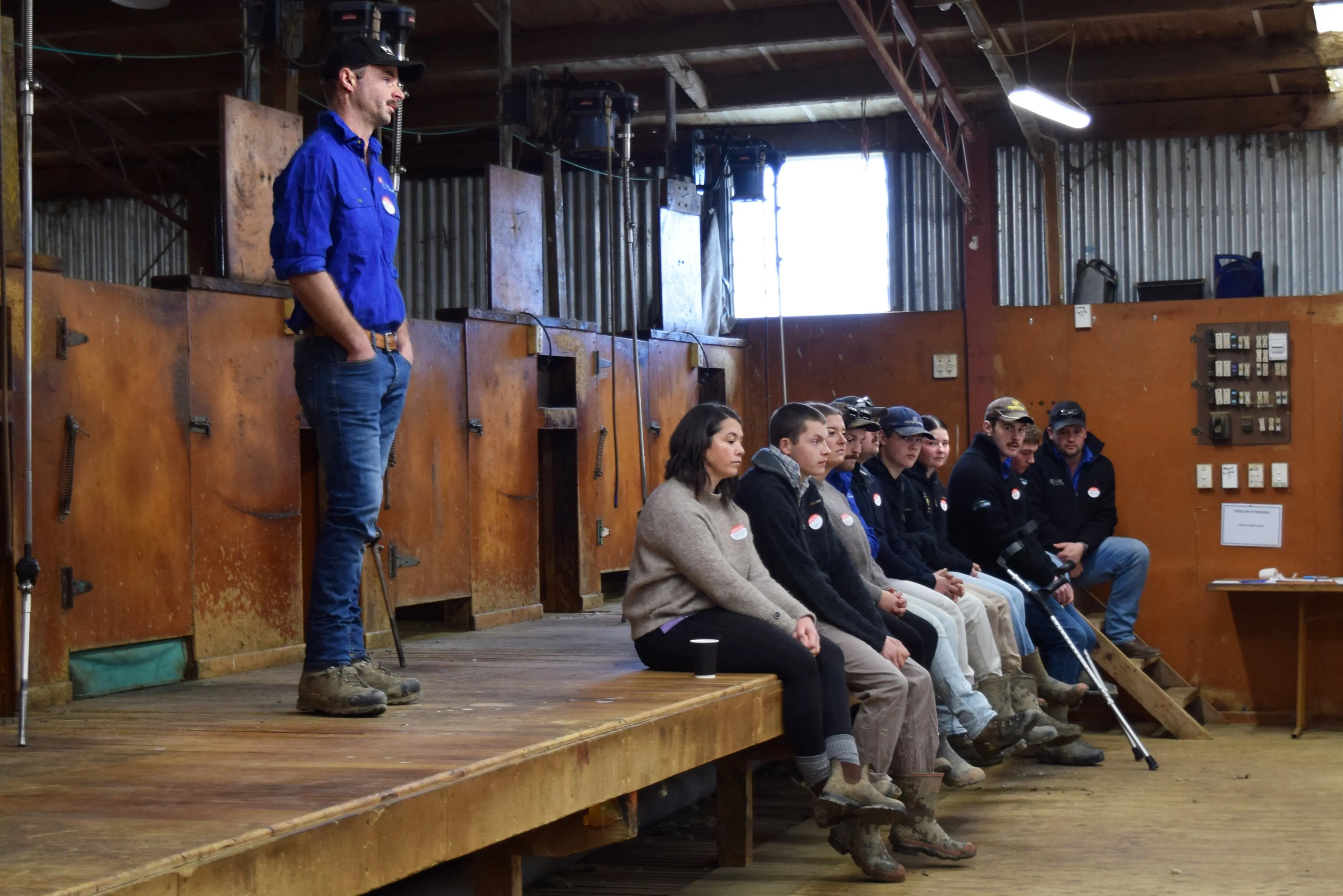
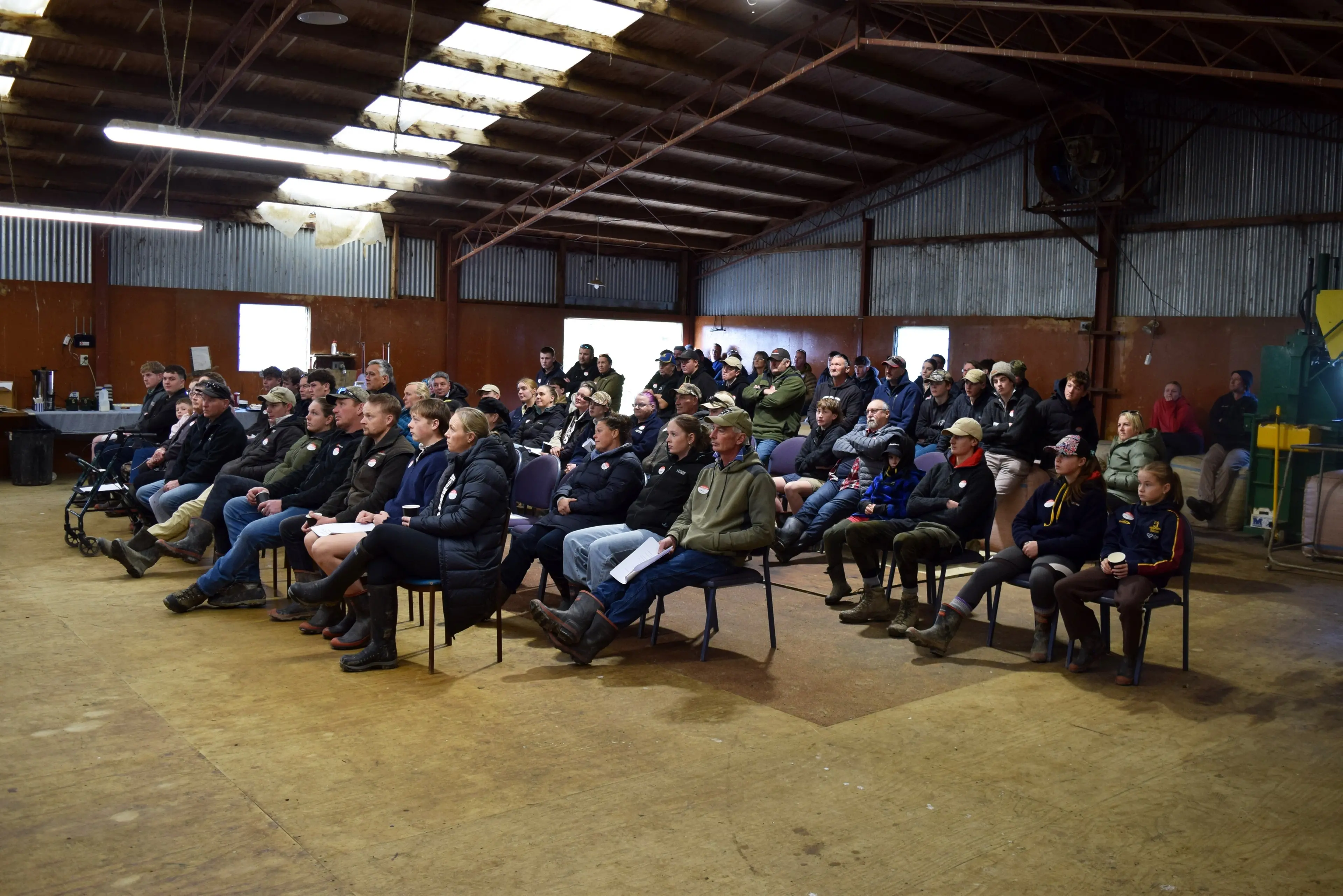
About 70 people attended a cadet open day on Jeff Farm in Kaiwera, Eastern Southland, this month.
Jeff Farm general manager Michael Benton said the turnout was “unbelievable”.
“You’ve come from all over the country to see us today.”
The construction of the new quarters would open early next year.
“It’s a far better design with six bedrooms, so there’s potential for six cadets.”
There were currently four cadets in the two-year programme.
Two cadets would be taken on next year, as per usual.
An initial hope was for the new quarters to be ready earlier so three cadets could be taken on next year but there was a delay, Mr Benton said.
Demand for placements on cadet farms was greater than supply in New Zealand.
“It is pretty slim pickings, we probably need another 10 to 12 of these cadet farms in the country to take the people who are interested.
“Every cadet farm in the country has the same problem, a huge amounts of applications and not enough room.”
As the training of the cadets needed to remain on farm so it could be monitored, the work available restricts the number of cadets they could take on.
After the new quarters were built, the “old and tired” parts of the current quarters would be demolished.
A newer existing area would be converted to a classroom.
The farm was bequeathed to the Salvation Army in 1952 to train youth in agriculture.
The main purpose of the farm was to train cadets but it also needed to operate as a high-performing commercial business, he said.
Cadets begin in early January, a busy time of year including weaning and weighing lambs.
“People do a lot of growing when they are getting pushed and they can step up and show what they are made of, which is always a good feeling.”
Weather in Kaiwera, including snow and spring storms, could be a shock for a new cadet.
“The cadets are not sheltered and get a taste of what farming really is and farming in Southland can be muddy and pretty ugly.”
The open day included a working dog demonstration and tour of yards, tractor shed, quarters and cook shop.
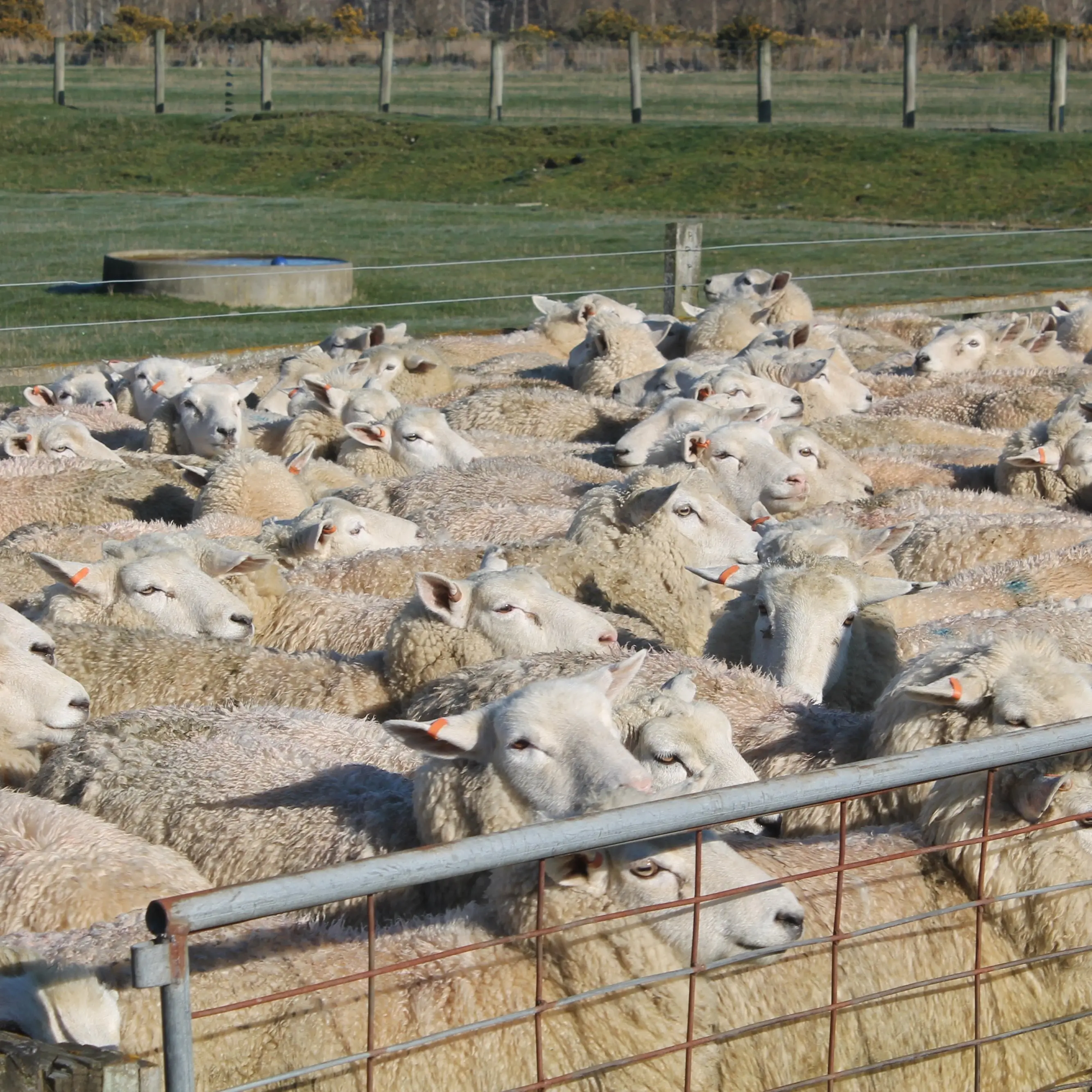
The 2400ha farm runs about 27,000 stock units, a mix of sheep, beef and deer.
The plan was to finish all livestock, if the season allowed, he said.
Cadets were employed and paid 80% of the minimum wage and accrued annual leave.
Ideally, cadets were aged between 16 and 20 and had at least their restricted driver licence.
Cadets were selected on their attitude and willingness to work rather than academic history.
“We are not a school and they are expected to work accordingly and that’s what sets us apart and really makes our cadets shine.”
Cadets “learn by doing” and work long hours at peak times.
“So when they leave here and out in the real world there are no surprises.”
Shearer Stacey Te Huia, of Alexandra, provides training cadets.
“After that we try and shear as many hoggets as we can, until the cadets can’t do anymore.”
Cadets shore most of the hogget last year and some ended with tallies of 100 or more.
“It is a challenge they really enjoy.”
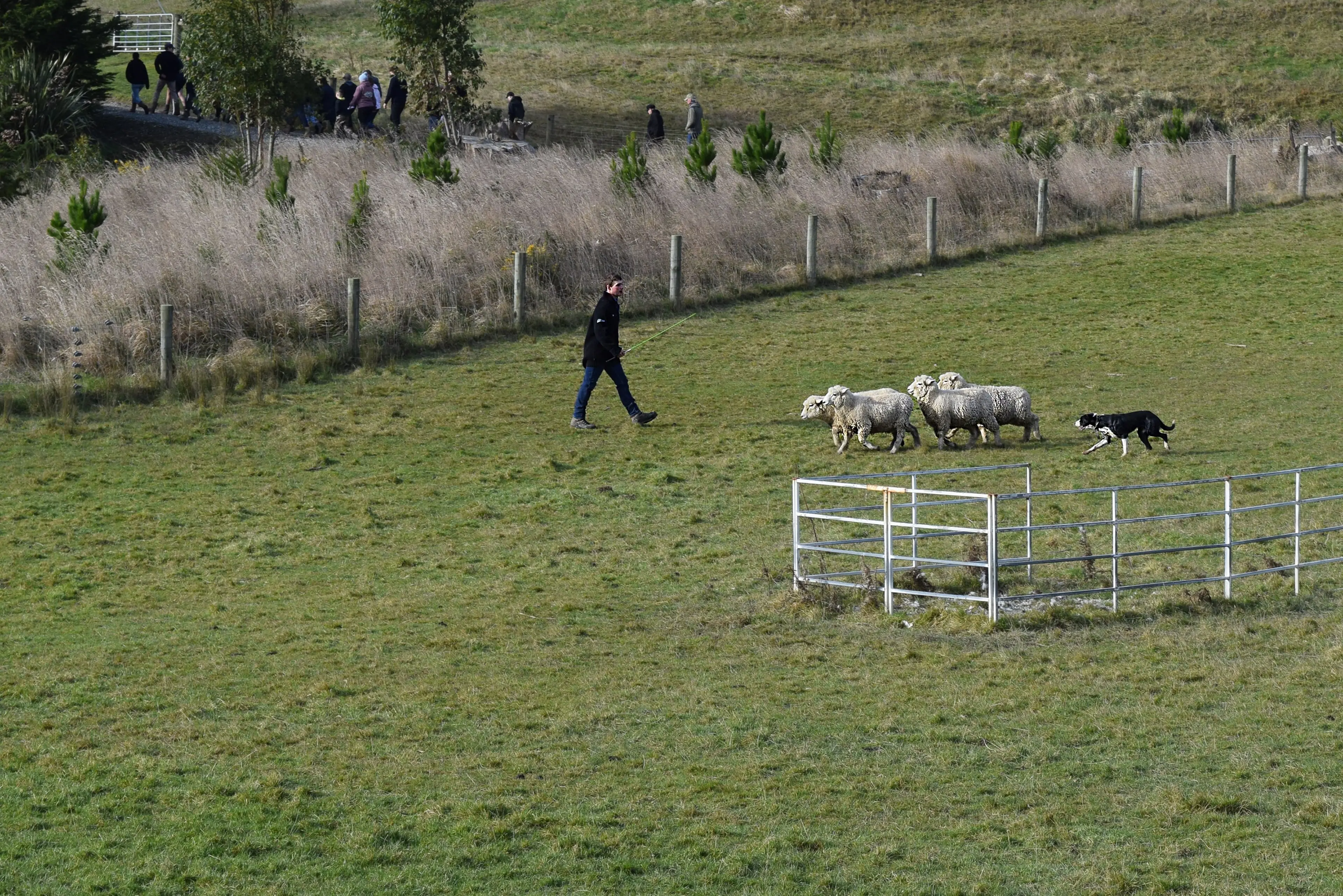
Cadets were given heading pups to train as working dogs so they could do stock work during their cadetship.
A cadet could leave Jeff Farm with up to six dogs, a mix of heading and huntaways.
“A cadet will only receive more dogs when they’ve shown us they can look after what they currently have.”
Dog training was a “highlight” of the cadetship.
“They get a big kick out of it.”
Cadets were provided wet-weather gear, their own quad bike, cellphone, personal locator beacon and cooked lunch and dinner on work days.
“On the weekends they fend for themselves.”
Cadets were on a roster to clean the quarters.
Jeff Farm paid for the cadets to complete Primary ITO levels 3 and 4 training.
If a cadet failed, they needed to pay the fee back.
Cadets paid $115 rent a week to live in the quarters, which includes internet and power, and gets deducted from their wages.
Personal finance training was provided to teach them ways to use their wages to get prepared for when they leave.
“If they can leave here well set up with a descent vehicle and a good team of dogs, it makes them extremely employable.”
shawn.mcavinue@alliedmedia.co.nz