PHOTO
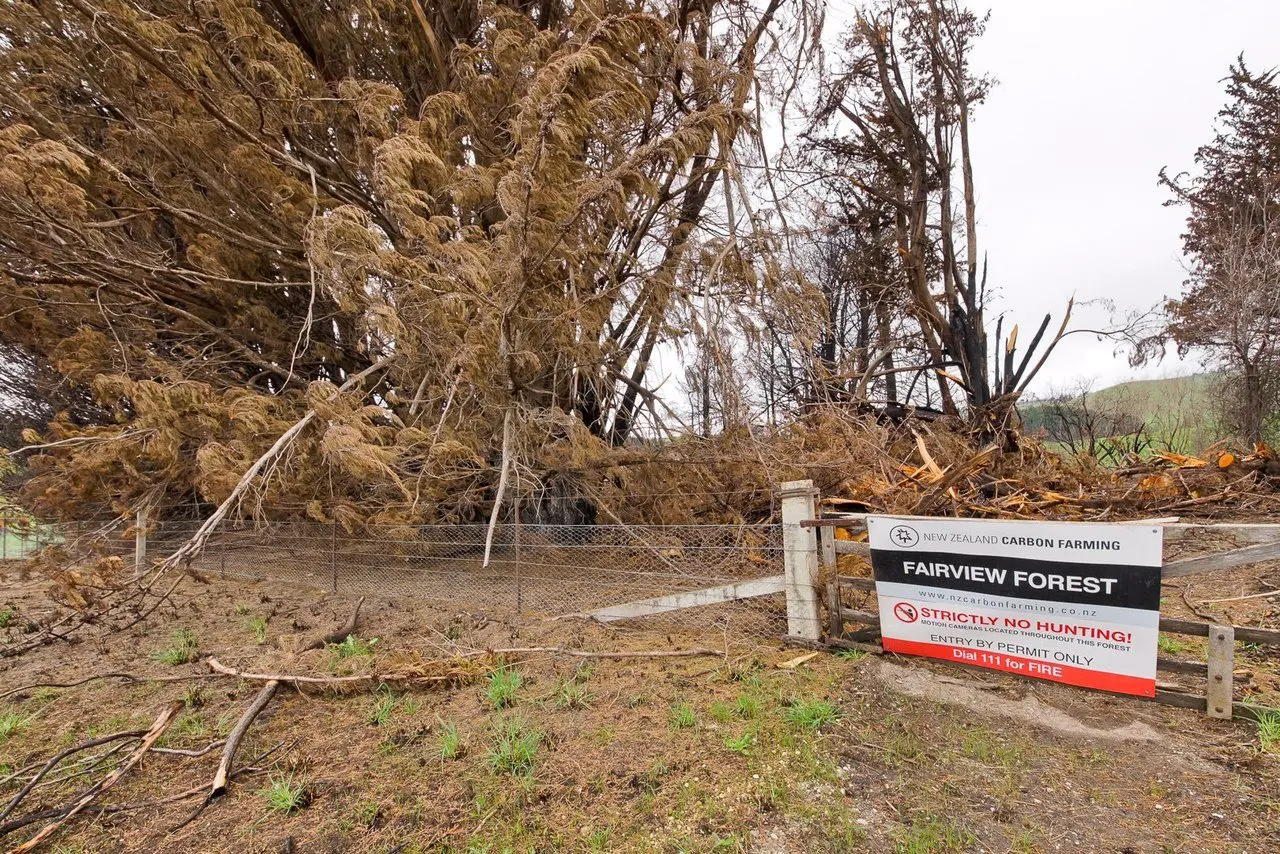
Future permanent plantings of exotic forests such as radiata pine could be excluded from the emissions trading scheme as the Government attempts to better manage carbon farming.
Forestry Minister Stuart Nash and Climate Change Minister James Shaw have released a public discussion document seeking feedback on ideas to better manage afforestation.
It is now proposed to exclude exotic species from the permanent forest category - a move Otago Federated Farmers president Mark Patterson said was both welcome and long overdue.
Carbon farming has been a hot and controversial topic, particularly in Otago and also on the East Coast of the North Island, as large areas of productive farmland have been bought for conversion to trees.
In a statement, Mr Nash said the Government wanted to encourage afforestation to help meet climate change targets, offset carbon emissions and help farmers, landowners and investors diversify their income streams.
It also wanted to balance the risks created by new permanent exotic forests which were not intended for harvest.
There was a window to build safeguards into the system before a new ETS framework coming into effect on January 1 next year.
Under current rules, a new permanent forest category of the ETS would allow both exotic and indigenous forests to be registered in the ETS and earn New Zealand Units (NZU).
Increased plantings of exotic forests were being driven by rising carbon prices. The NZU price had more than doubled over the past year, from about $35 in late 2020 to more than $80 last month, he said.
Permanent exotic forests such as radiata pine had potential for environmental and ecological risks, including pests, fire, damaged habitat for native species, biodiversity threats and a relatively short lifespan compared with well-managed mixed indigenous forests.
Later this year, there would also be consultation on proposals which could give local councils more powers to decide under the Resource Management Act where exotic forests were planted in their areas.
When contacted, Mr Patterson said the mantra of "right tree, right place" at present had "zero mechanisms to manage indiscriminate exotic monocultures".
A carbon price heading towards $100/tonne left unchecked would lead to land-use change of a scale not seen in Otago for generations, and the flow-on effects to rural communities would be significant.
"This would go someway to eliminating the extreme profitability of permanent exotic carbon plantations and the whole of farm conversation speculators," he said.
Hopefully, it would be the first step to a more strategically managed process that balanced the opportunity for farmers to harness a new income stream from less productive land and increase biodiversity while protecting more valuable areas for food production, he said.
Public submissions can be made from March 14 and consultation runs until April 22.