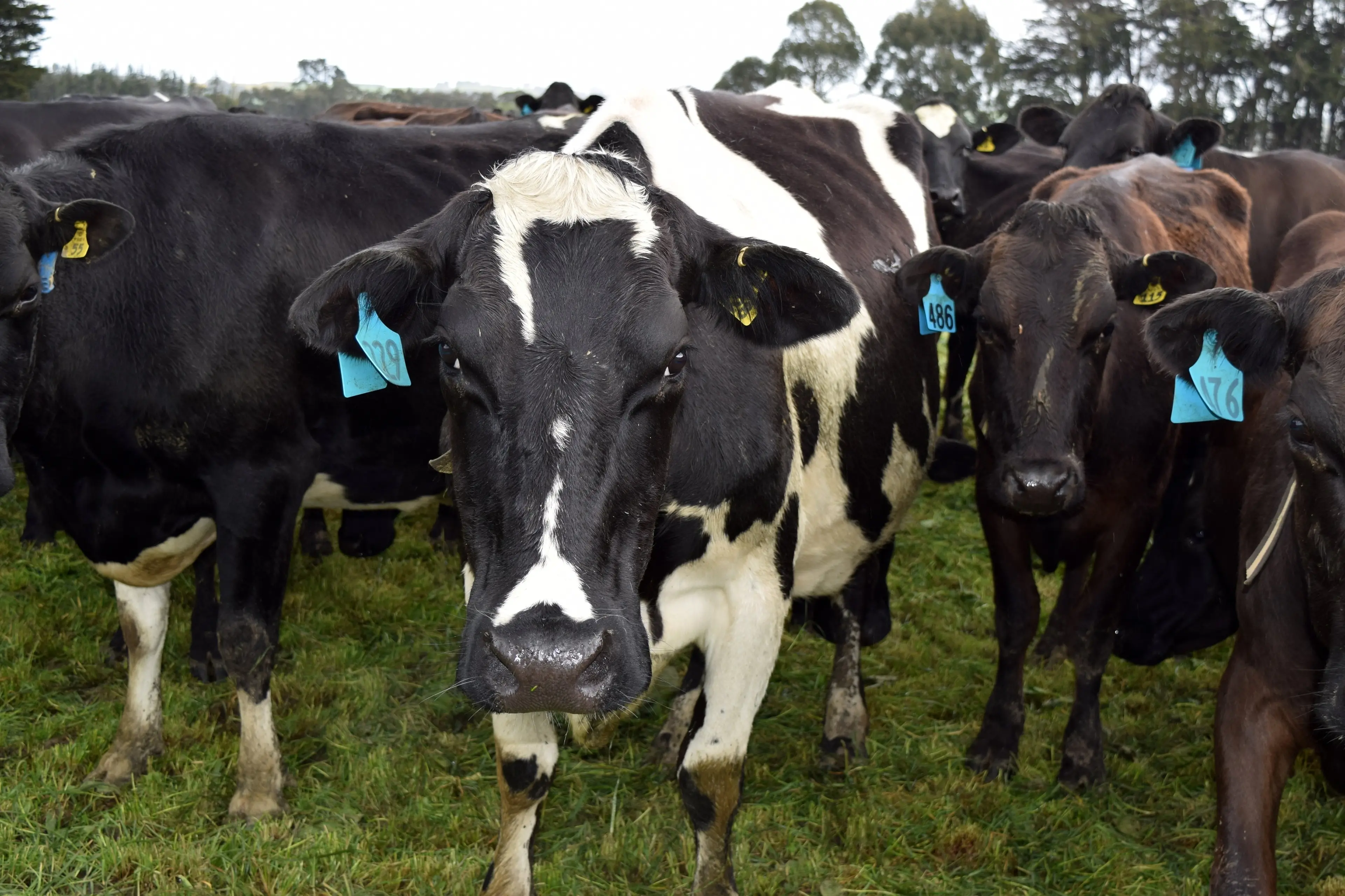
PHOTO
The government is making changes to freshwater farm plans.
In a statement, Associate Environment Minister Andrew Hoggard said an amendment paper to the Natural Environment Bill would ensure that where certification was required, it would only apply to the part of the farm where higher-risk activity occurred.
The regulations would specify the higher risk activities that would trigger a need for a farmer to have their plan certified and audited.
Certification and audit would only be required where higher-risk activities were carried out, such as:
- Dairy farming
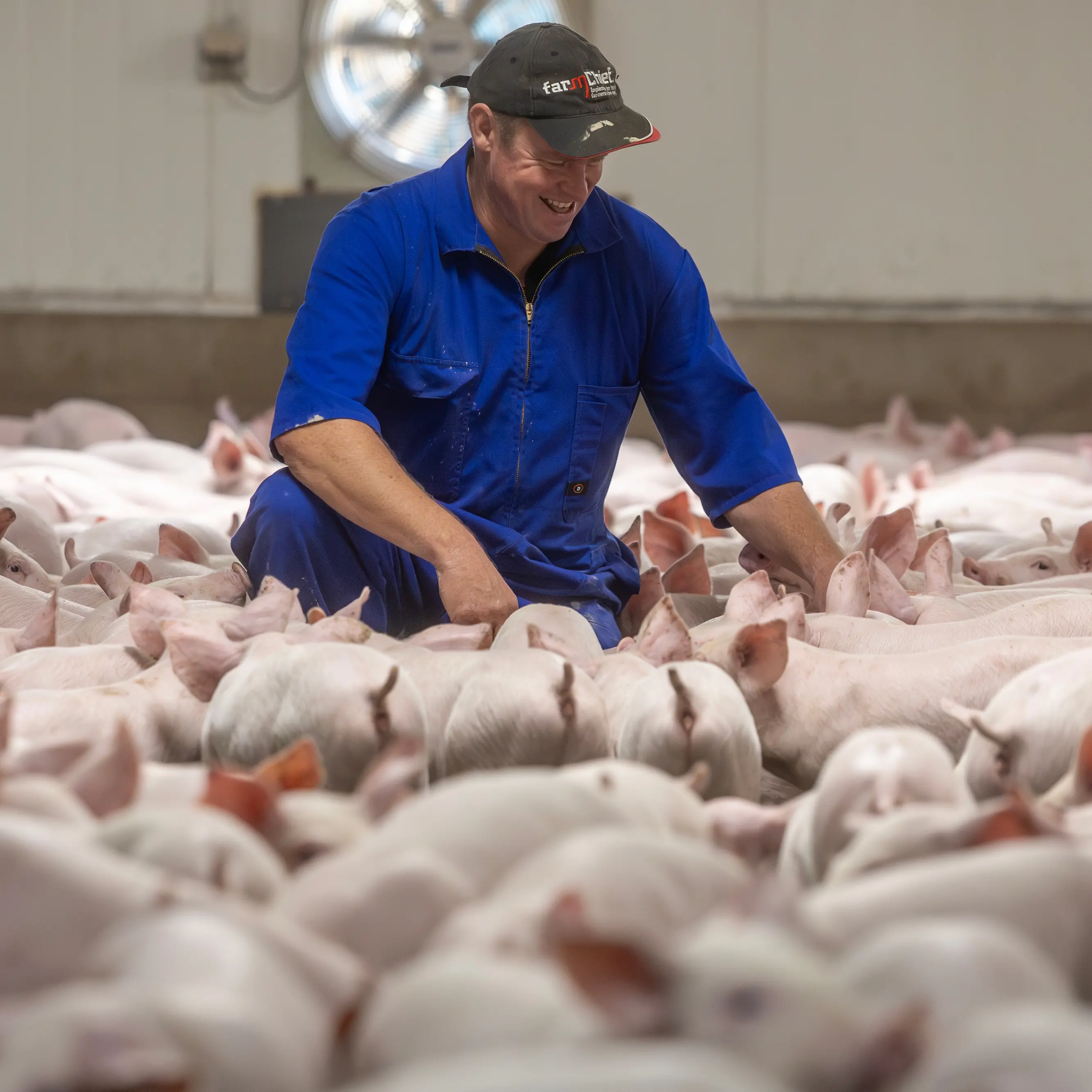
- Grazing pigs
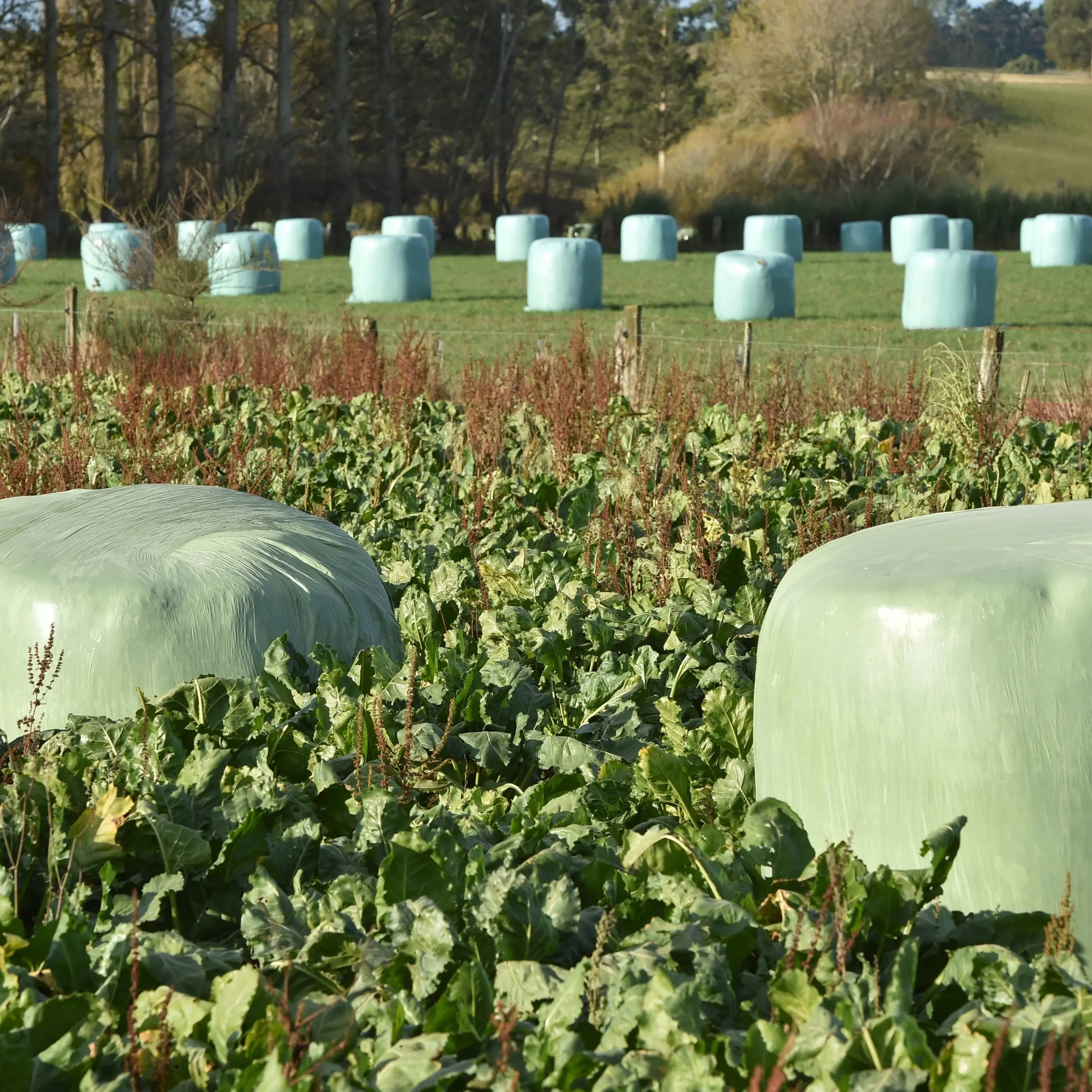
- Commercial vegetable growing
- Using land for feedlots
Other features of the new Freshwater Farm Plan regulations include:
- Trigger points for sheep and beef farming to be considered high risk and need certification and auditing are intensive winter grazing or irrigation on more than 50ha or 10% of the farm, whichever is greater.
- Removing unnecessary mapping requirements so that only relevant factors need to be identified.
- Streamlining action plan reporting and clarifying the purpose and content of council developed catchment context.
- Clarifying the competencies needed for those who can carry out the certification and auditing of plans and removing unnecessary training requirements for practitioners.
- Simplifying the audit grading approach with a pass/fail and “partially meets” grade.
The improved regulations would allow farmers and industry organisations five years to develop freshwater farm plans and get them certified, or declared to councils.
A re-certification of the plan would be required every six years, up from the current five-year cycle, with an audit only required once in that six-year cycle.
The changes builds on the plan package announced last year including lifting the thresholds for requiring a farm plan up from 20ha to 50ha for pastoral and arable farms, and introducing risk based certification.
“All farms that meet the threshold will still need to prepare and hold a farm plan, and declare it to their council, but they will not need it certified or audited if they fit into the lower risk category.”
A pathway had been set up allowing industry organisations to provide certification and audit services to their members when their plans were delivering equivalent outcomes, avoiding duplication, Mr Hoggard said.
Horticulture New Zealand chief executive Kate Scott said it welcomed confirmation of industry pathways, meaning industry organisations would be able to provide certification and audit services for members through existing farm planning programmes.
The changes also increase the threshold for who needs a freshwater farm plan.
For orchards, the threshold will be 50ha.
For all other horticultural land uses, the threshold would be 5ha.
Federated Farmers national president Colin Hurst said it welcomed the changes.
“They provide much-needed clarity and make the system more pragmatic for farmers.”
The changes address several of the organisation’s key concerns, he said.
“This should give farmers much greater certainty about what will be expected of them.”