PHOTO
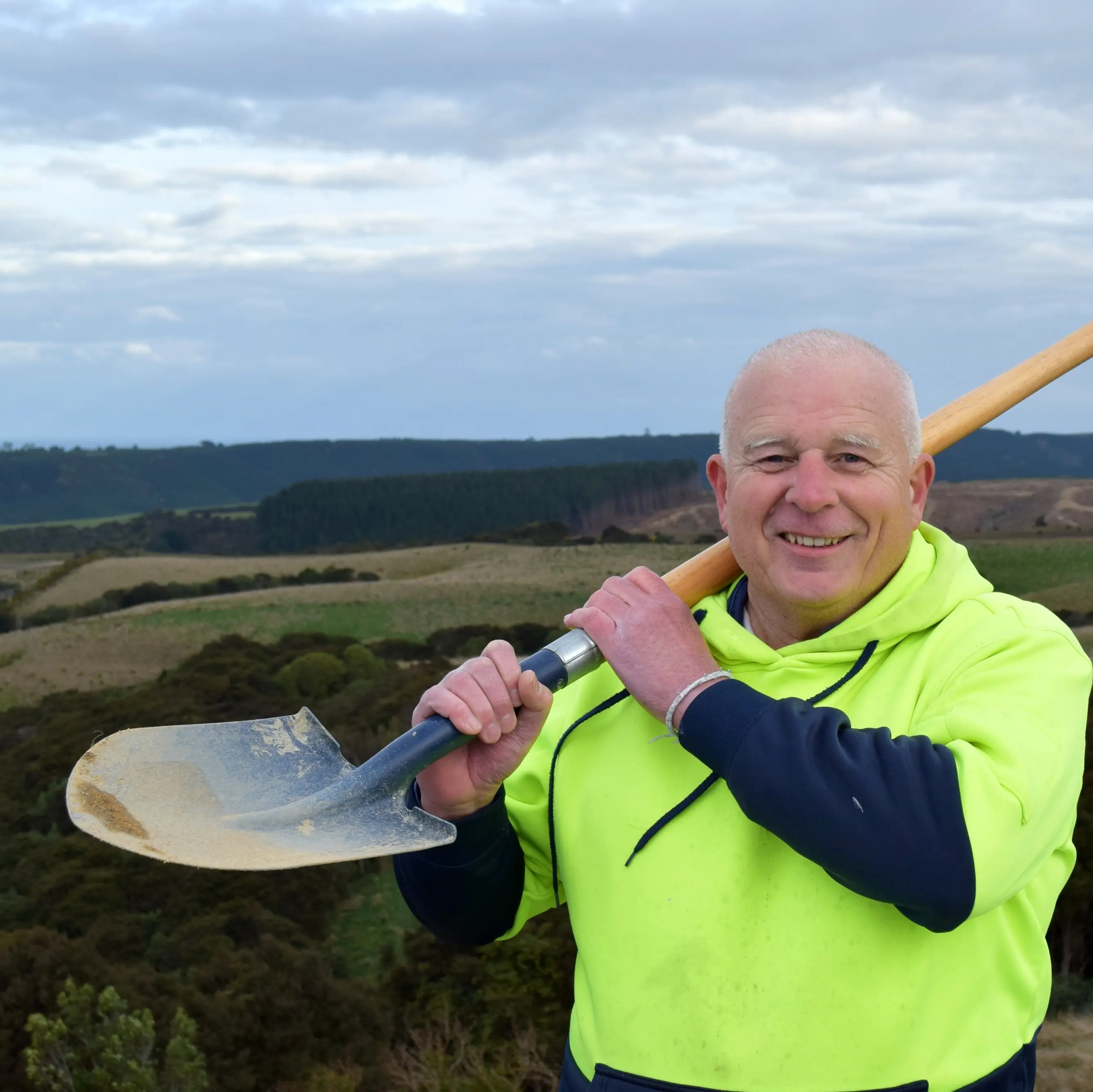
In a winter series, Shawn McAvinue asks southern farmers about their crops. This week he talks to sheep and beef farmer Tom Waldron, of the Styx.
Q: What winter crops do you have on your nearly 2500ha rolling farm Burnbrae?
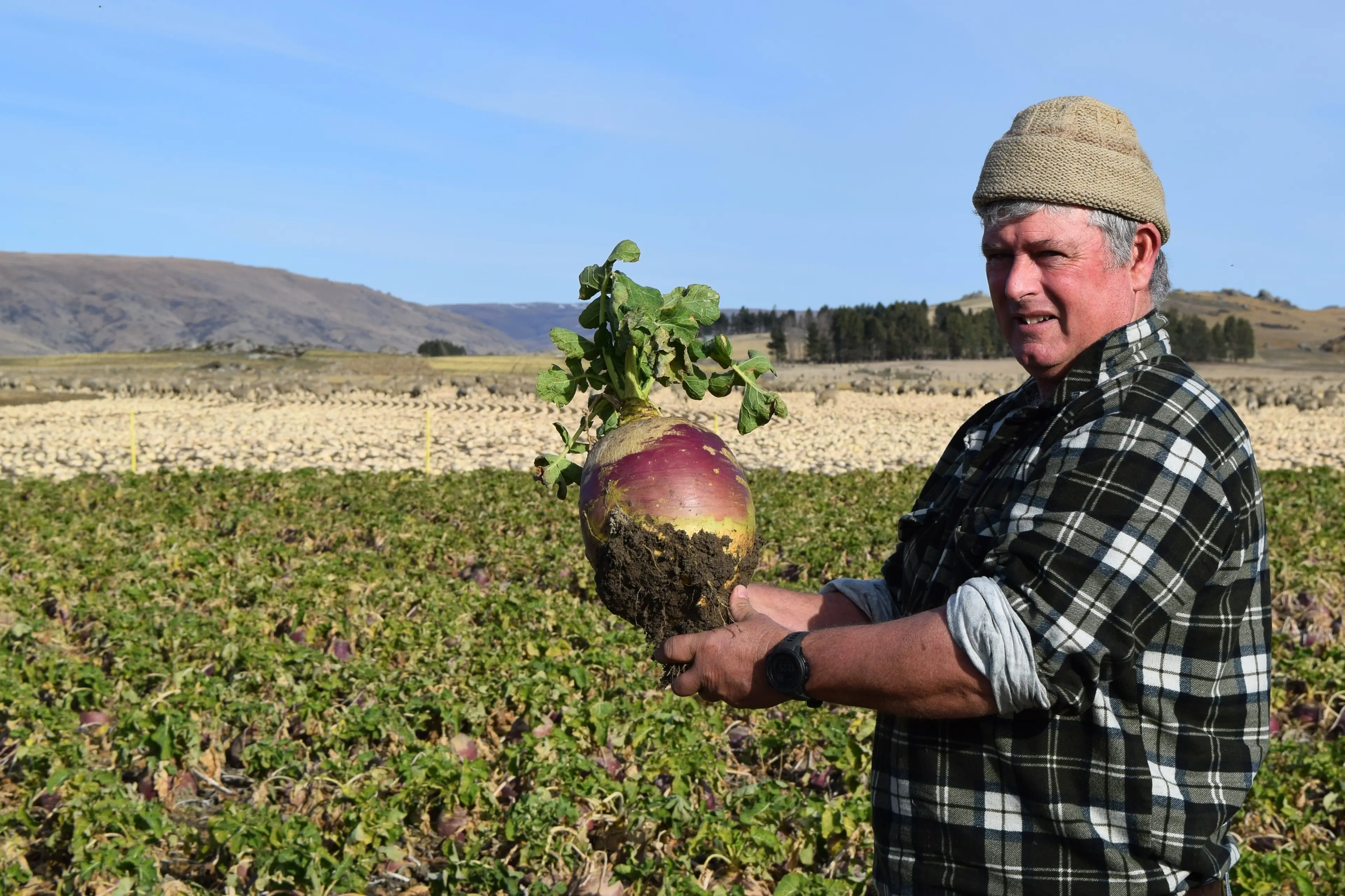
About 9ha of fodder beet for cattle, 20ha of swedes for young sheep — about half is precision sowed and half is direct drilled — and about 55ha of kale for ewes.
Q: Why did you select those crops?
We can graze the fodder beet in to November; the swedes have a soft bulb, which is easier for young sheep to eat and the kale doesn’t pull out teeth of older sheep like swedes can. They do very well on it. The kale is good for the soil, the tap root penetrates through the pans and helps ameliorate the soil and we’ve had some reasonable success with it. I wouldn’t say we are growing massive yields of it but the second-year kale is probably double what we get the first year.
Q: Do any of the crops get irrigation?
We irrigate the fodder beet and the rest is dry land.
Q: How were your crops looking this season compared to past seasons?
Our fodder beet was best — it is our fourth season of growing it and we are starting to understand it a little bit better now, more of the nutritional side of the crop, timing of nitrogen application and weed suppression. It is a tricky crop, each season is a little bit different and for where we are at 600m [above sea level] we seem to get a reasonable yield. We won the dry land swedes part of the 2026 Maniototo Winter Crop Competition, so our swedes must have done OK but I think they were back on last year because spring and early summer were dry. I expect the kale to be better next year because it will be second-year kale. The first-year kale yield will average around 4 to 4.5 tonne [of drymatter per ha] this year, which is modest but it has been between 15 and 30 years since some of the ground has been renovated. It is always better the second year. We do swedes and then kale or on steeper ground, we just do kale, as it is an easier crop to manage on steeper country. As part of the farm development, we’ve picked all the low hanging fruit and now we are in to some of the harder country.
Q: How has the management of your crop changed over the years?
We are more aware of the areas that can get a bit wet and we leave a buffer if we need to. We are very mindful of environmental impacts. With the irrigation we are very sensitive about pugging, so we are cautious and have good run-off areas for them and we can get them off-crop if it gets wet and we pad feed them on a harder area to prevent pugging. We are more proactive in our planning of where the crops are sown and how we manage them through the feed off period.
shawn.mcavinue@alliedmedia.co.nz