
PHOTO
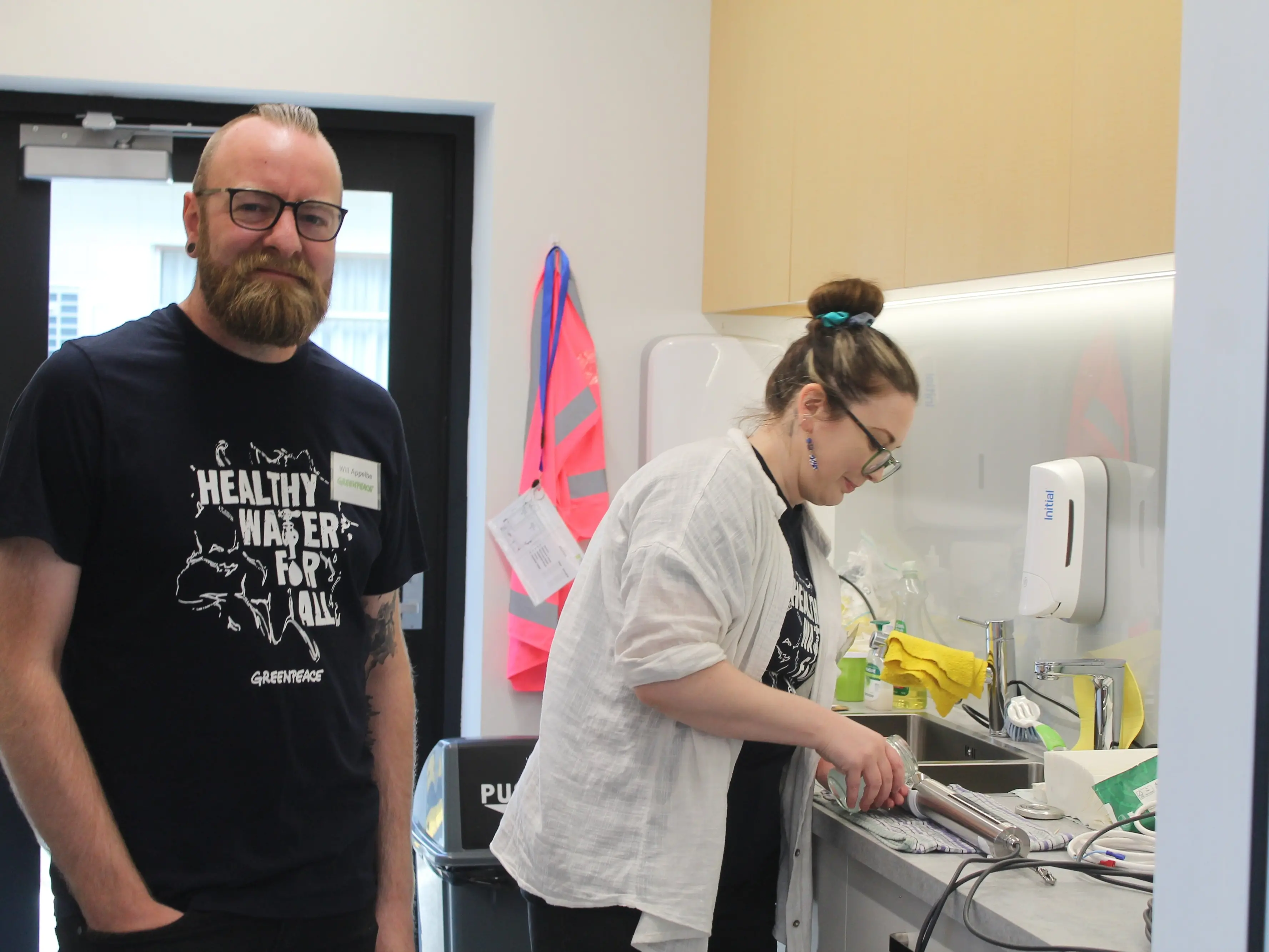
People’s health is being put at risk by Environment Southland’s ongoing investigation of nitrate-level spikes in Gore’s drinking water last year, environmentalists say.
This week, Environment Southland (ES) said it was continuing its scientific investigation because it had not yet found a specific cause of last year’s spike in nitrate levels in the Cooper’s Wells aquifer.
Yesterday, however, Greenpeace Aotearoa freshwater campaigner Will Appelbe said this was the second study by the regional council and it was risking people’s health by delaying action against dairy pollution.
‘‘The people of Southland don’t need more reports; they need urgent action to rein in intensive dairying and protect people’s health from the nitrate crisis,’’ Mr Appelbe said.
In July, 2025, nitrate levels above the healthy drinking water standards were recorded in the groundwater supplying Gore’s drinking water.
The ES investigation has looked at the compliance history of resource consent holders in the area and will now look at nitrogen source types and how Cooper’s Well is replenished.
The council recently released a report, ‘‘Nitrogen Contamination in Southland Groundwater’’, which it said would help clarify the complexity of nitrate levels in Southland’s groundwater.
ES acting chief executive Rob Phillips said it was understandable people living in Gore and other nitrate hotspots might be concerned about elevated nitrate levels in groundwater.
But he said it was important to get a proper understanding of the groundwater system and the cause of the nitrate spike so all agencies involved could act effectively.
‘‘It’s important for our region that we work together to reduce nitrate levels in groundwater.
‘‘This is a shared challenge, from the water source to the tap, and we need to address it collectively.’’
Greenpeace said the study could take up to three years, which was too long.
‘‘While more data is always useful, we have enough evidence that shows intensive dairying is the main source of nitrate contamination in the region. It should not delay urgent action to protect water supplies,’’ Mr Appelbe said.
Greenpeace recently issued a warning to pregnant women against drinking from the Lumsden water supply, after the organisation’s recent nitrate testing showed the town’s water was at 6.14mg/litre of nitrate on average.
While below the official national drinking water standards, the New Zealand College of Midwives recommended pregnant women exposed to drinking water nitrate above 5mg/litre should consider accessing an alternative water source.
Mr Appelbe said an ES report earlier this year showed up to 15,000 Southlanders had drinking-water supplies highly vulnerable to nitrate contamination.
‘‘They deserve action now, not in three years,’’ he said.
‘‘That means reducing the size of the dairy herd, and phasing out the use of synthetic nitrogen fertiliser, because urea and cow urine are the primary sources of nitrate contamination.’’
Cooper’s Wells are about 5km northeast of Gore, surrounded by a dairy farm and adjoining the Mataura River. — Allied Media