
PHOTO
The Entomological Society of New Zealand is buzzing as it recently announced this year’s candidates for New Zealand Bug of the Year.
From the hellraiser mite to the hobbit psyllid, the sapphire spider fly to the avatar moth, 21 nominees are putting their best foot, antenna or wing forward.
Lovers of bugs will have an opportunity to vote for their favourites on Valentine’s Day, Saturday, February 14, as part of Tūhura Otago Museum’s Bug Day.
Tūhura Otago Museum collections technician — natural science On Lee Lau said while many people have a natural fear of bugs, especially spiders, it was important to give children permission to learn more about bugs and expose them to bugs in a safe environment.
"We have seen that children are really engaged with the event, asking questions about gardening and talking to volunteers about their bug collections."
Staffed by volunteers from The Entomological Society of New Zealand and the University of Otago, the event will provide information about all 21 nominees and include a range of activities such as games, crafts, face painting, academic speakers, "robobugs" workshops and take-home resources for the whole family.
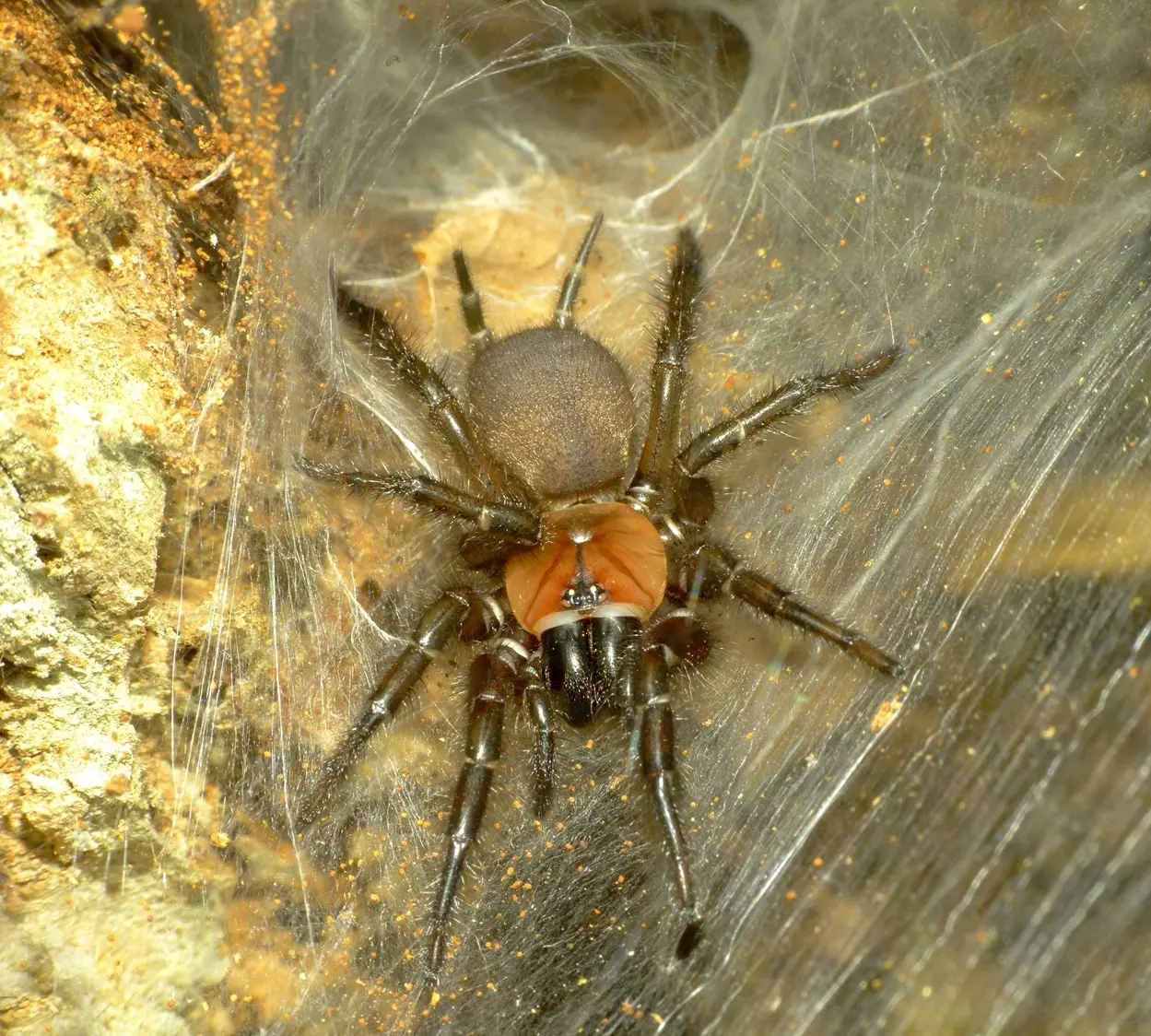
The museum is supporting the indigenous kahuwai or black tunnelweb spider (Porrhothele antipodiana) as its chosen candidate this year.
This species is distributed across most of New Zealand, but is absent from the far Northland peninsula and specific areas of Fiordland.
The spiders construct their webs in hollows or beneath items such as logs and rocks.
During the night, the tunnelweb waits near the entrance of its home and rushes out to ambush prey that wanders too near.
Their diet consists mainly of crawling insects such as beetles, although they have been known to eat garden snails.
The black tunnelweb inspired the design of the villainous Shelob in Peter Jackson’s film The Lord of the Rings: The Return of the King.
Otago Entomology Society president and PhD candidate (ecology) Connal McLean said he was personally championing a different nominee, the kouraura wai, tadpole shrimp (Lepidurus apus viridis).
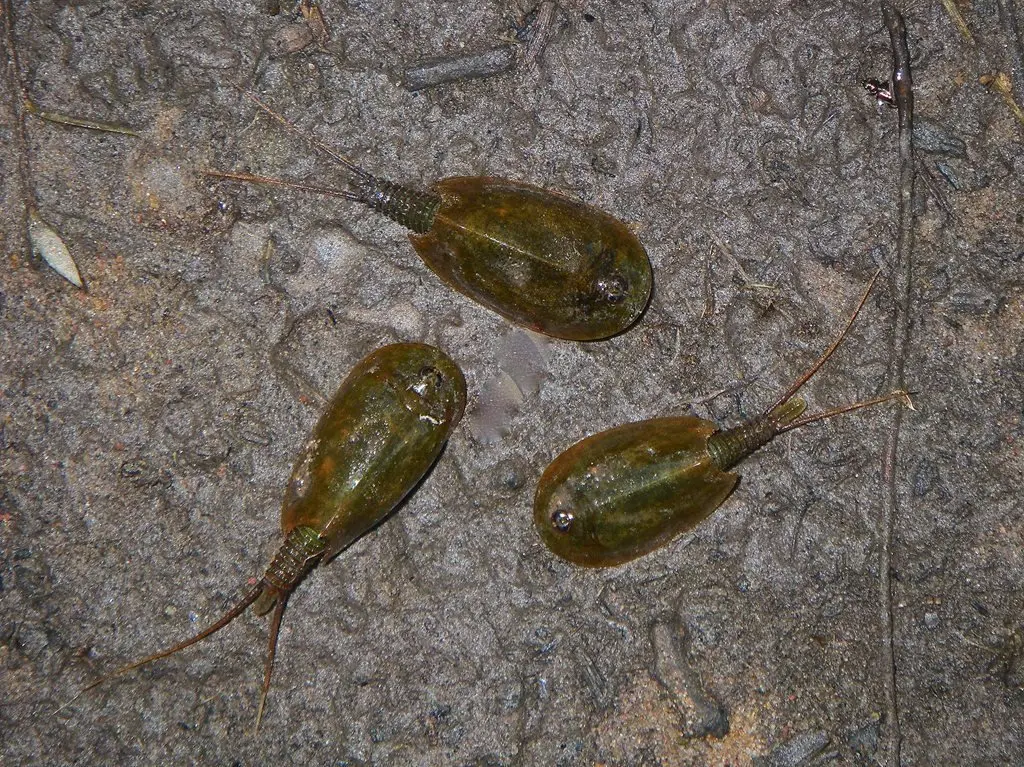
Tadpole shrimp reproduce asexually through a process called parthenogenesis.
"So they are an entirely female population — girl power! — and live most of their life in torpor or a kind of hibernation."
They "come alive" for short bursts in the rainy season and have a very limited range, only existing for weeks or even days at a time in what are known as ephemeral pools, small land-locked regions in wetland areas smaller than a rugby pitch.
"Overseas, this has given the relatives of our New Zealand species the nickname ‘fairy shrimp’ as they appear seemingly out of nowhere and then are mysteriously gone within the blink of an eye.
"They looked totally alien even for a bug nerd — like a mini horseshoe crab crossed with a shrimp."
The tadpole shrimp was a freshwater crustacean, so closely related to other more well-known fauna such as kōura (freshwater crayfish).
"While I don’t have high hopes for it winning, the competition is geared toward sharing the spotlight from charismatic and cosmopolitan bugs like butterflies and bees, or even wētā, to the underdogs — or underbugs — so if the tadpole shrimp gets a bit more love and recognition than before, that is a win in my book."
• Voters can view all the candidates and cast their vote at Bug of the Year 2026 before the polls close at midnight on February 16.
Bug Day 2026
Saturday, February 14
10am-3pm
Tūhura Otago Museum
Great King St