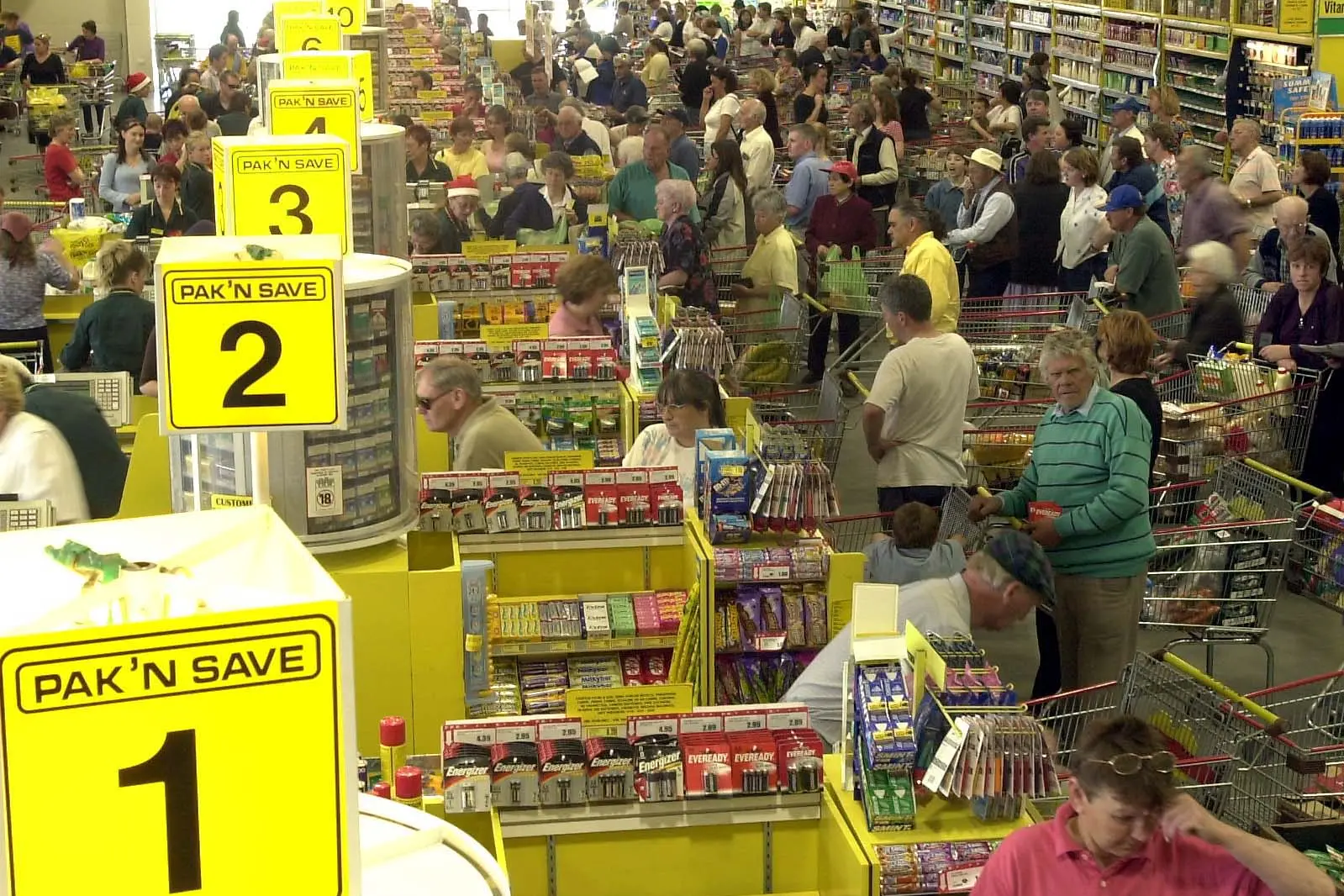
Supermarket shoppers on tight budgets are buying value brands and multi-buy deals to stretch their grocery dollar as inflation hits home. As more Kiwis get behind in debt repayments, rising food and petrol prices are spilling over into cautious spending. Vegetable and other growers at the Horticulture NZ conference in Wellington were told shoppers were carrying smaller baskets, switching between stores and thinking harder about their shopping lists. Foodstuff North Island has found 53% of the co-op’s customers identified as budget shoppers — unable to shop outside of set budgets. Another 36% were value shoppers with some flexibility in their spending and able to take advantage of deals and multi-buy offers. [Missing Credit]Foodstuff North Island merchandise produce and meat head Brigit Corson. Photo: Supplied Foodstuff North Island merchandise produce and meat head Brigit Corson said customers were spending more carefully. “So customers are selecting lowest price product from their preferred range, they are buying whatever brand is on promotion and they are buying in bulk if they can and choosing larger sizes if it means better value and driving product value growth. We are also seeing smaller baskets and switching between stores.’’ She said surveys were telling them 54% were cutting back on meat and 17% on eating produce. "Now 23 years ago they were the same and as we’ve seen with the escalating price of meat and really fair produce prices we have seen that produce metric come down. So we are seeing a big shift in how customers are shopping towards budget and value behaviours.’’ However, they were not missing out on all the treats such as buying a block of chocolate. "So value is not about cheap anymore, but whether every dollar feels like it has done it’s best job and it’s about intentional spending. People have not stopped spending — they are thinking much harder about every dollar.’’ Ms Corson said stores were the starting point in the supply chain for customer insights. "It’s the point where produce meets real human behaviour. Each week we process about 5.3 million customer transactions. That’s 5.3 million expressions of demand, 5.3 million decisions about the price preference, habit, constraint and choice.’’ Over time the data developed into more than just regional patterns, she said. "You see how NZers are living and changing.’’ Shopping behaviour is being influenced by health and wellbeing, a demand for convenience food and growing cultural and ethnic diversity. As a result of the rise overseas of GLP-1 medications for weight loss a PwC study found grocery spending declined 6-8% within a year when the user was the main shopper, among 14% of households using them. Yet they are spending more at restaurants and socially. "These results indicate a high shift is coming as penetration rises in NZ because currently it’s less than 1%. In the US analysts have suggested users could save airlines about US$580m a year in fuel costs from lighter passengers taking GLP-1. The co-op has found protein fortification has moved into everyday snacks such as muesli bars, cereals and yoghurts as customers want energy in between meals and for weight management. A preference was growing for high fibre and easy digestion from non-starchy vegetables such as broccoli, cabbage and pre-cut cooked rather than raw vegetables. Ms Corson said the trends were taking off for practical reasons — tighter grocery budgets, reduced appetite and the need to feel fuller for longer as well as convenience buying, often for one portion and for snack meals. "That GLP-1 influence around protein and smaller serves is being felt across all the market.’’ She said retailers succeeding during these changes would adapt quickly, maintain trust and deliver reliable supplies of consistently quality products at stable, competitive pricing when conditions were difficult.