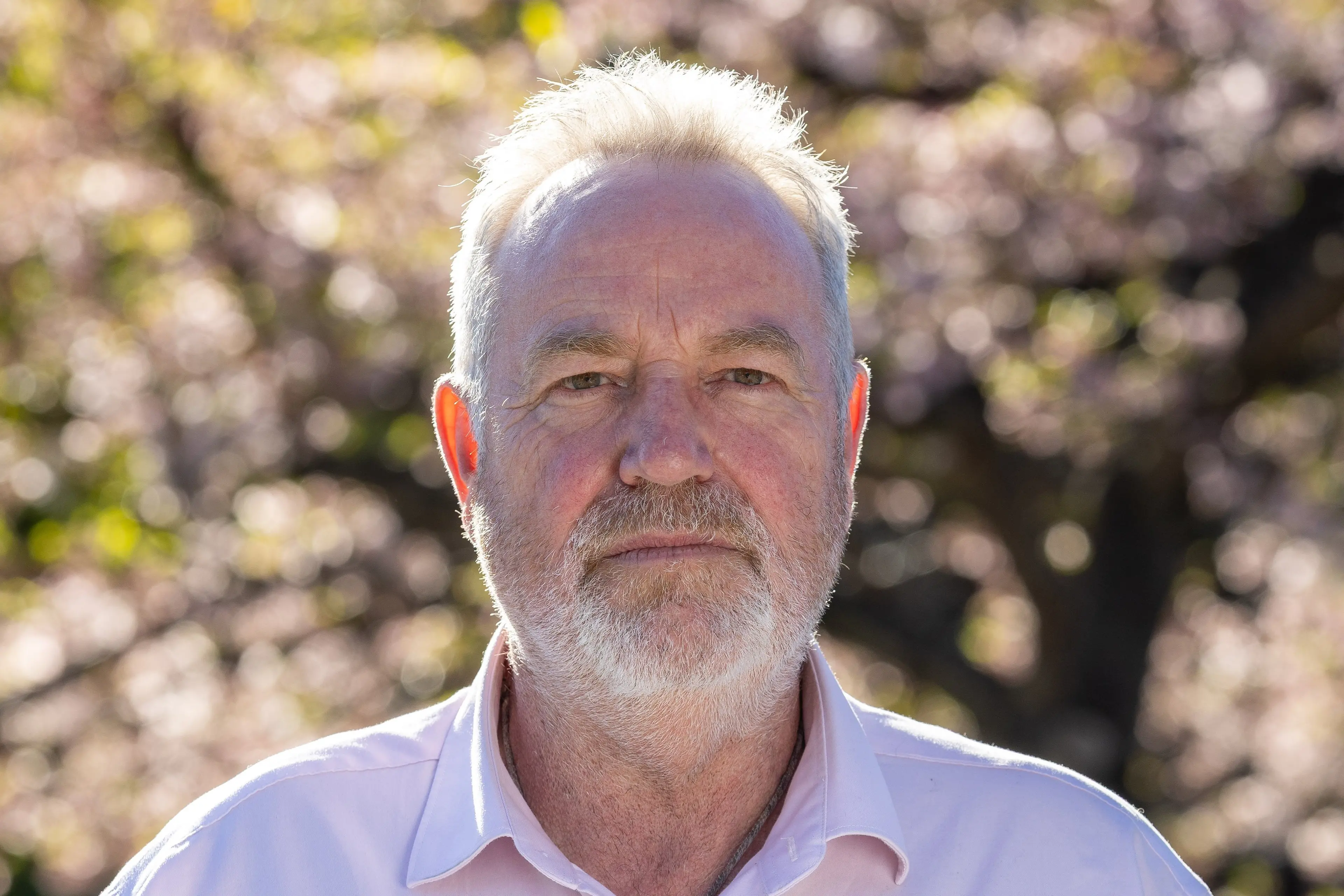
Costs to address Queenstown Lakes’ infrastructure issues may fall solely on residents’ shoulders after the National Party’s “shock” announcement ruling out a bed tax, the district’s mayor says. Councillors also say the district is paying the price for party infighting and electioneering and that inland Otago’s yet-to-be-signed regional deal has been left “practically meaningless”. But local MP Joseph Mooney said “bumps in the road” were to be expected and he was confident the regional deal framework meant solutions were within reach. On Sunday National Party leader and Prime Minister Christopher Luxon ruled out any new taxes if the party was re-elected, including a bed tax levied on short-term rentals. The party would instead look at existing mechanisms to help councils cope with tourism costs. Queenstown Lakes District Mayor John Glover said he was “very shocked” by the announcement, which undid a decade’s work on a local visitor levy. “The whole concept is basically collateral damage around a no new taxes campaign basis.” Funds raised through such a levy meant visitors would pay for the services provided to them, such as upkeep of rural roads, which might only have a handful of residents but were used heavily by tourists, Mr Glover said. “Residents should be wondering who’s going to pay for some of this stuff. “If we can’t get the money from somewhere else, it’ll be them.” The government had agreed to consider such a levy as part of the Queenstown Lakes-Central Otago Regional Deal, one of three economic growth and infrastructure partnerships between councils and central government. The deal’s planned signing was scrapped earlier this month after it clashed with a short-notice National Party leadership vote, won by Mr Luxon. Mr Glover said he was urgently seeking clarification from the government on changes to the deal’s proposed wording. He expected it would be signed before November’s election. Mr Mooney, Southland National MP, said the party recognised areas such as Queenstown Lakes needed additional support and that was reflected in its regional deal. “The key is not so much the bed tax, but how do we get additional funding to help support the mixed-use infrastructure that the region needs,” Mr Mooney said. “There’s always going to be bumps in the road as you work through this, like any relationship, but the key is whether we can work together to solve these challenges, and I think we’ve got a really good framework that’s under way to do that.” PARLIAMENTSouthland MP Joseph Mooney. Photo: Parliament When asked about sujggestions of electioneering, Mr Mooney said National recognised New Zealand was facing challenges and more taxes was “not the answer to solve things”. Though there might be “some disappointment” about the decision, the government had already made significant commitments to inland Otago, he said, pointing to a $180 million healthcare boost announced for the region in May. Some Queenstown Lakes councillors were disappointed, but not surprised by National’s announcement. Cr Jon Mitchell said the announcement left the regional deal “practically meaningless” with funding options for critical aspects of the deal “killed off”. “Without adequate central government funding we are inevitably on our way to becoming an undeveloping third-world nation, economy and environment, with a few overdeveloped, overcrowded tourist resorts for foreign visitors and locals bearing the costs.” Deputy mayor Quentin Smith said there was strong support from residents for a bed tax. The area’s transport infrastructure was at “crisis point” and new sources of funding were needed, he said. “It does seem that electioneering is displacing well-considered and partnered solutions to our district’s revenue and infrastructure issues.” Central Otago District Mayor Tamah Alley said the news was “not unexpected” in an election year. “Central Otago does support a national visitor accommodation levy as a fair and effective way to ensure visitors contribute, and we understand that it has been of critical importance to Queenstown Lakes in particular, and that has some flow-on effects to us.” ruby.shaw@odt.co.nz