PHOTO
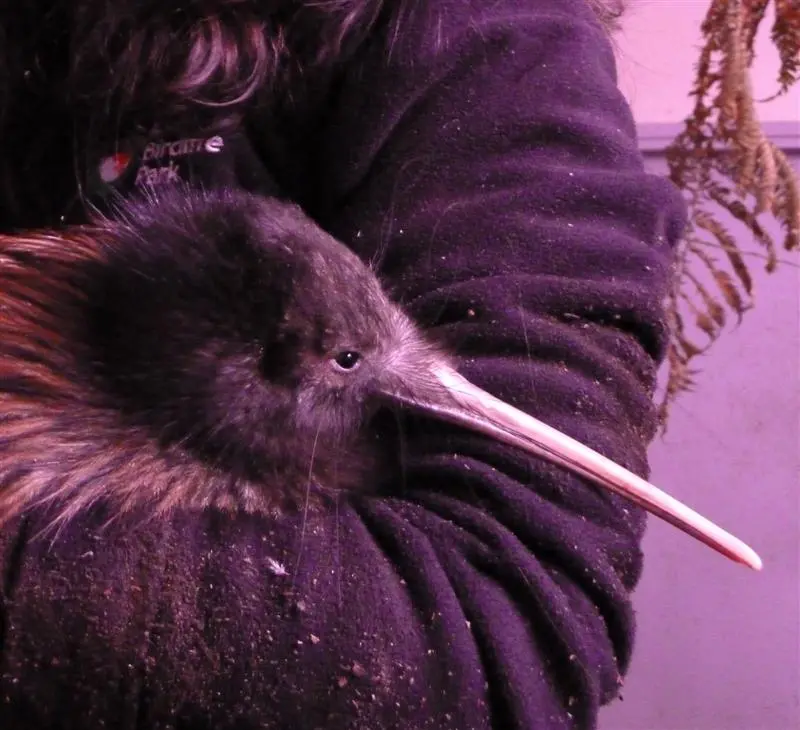
Kiwis mate for life. Tawahi, a 5-year-old female, and Tamanui, a 7-year-old male, have been together for three years.
The pair have produced Tuku, who has been released into a sanctuary, but last year two eggs hatched but the kiwis did not live much longer than a week, as they were not strong enough.
For the past five months Tawahi and Tamanui have been separated to give Tawahi a chance to build up strength. Tamanui was not performing his fatherly duties and incubating the eggs. Rather, he was just going back to her, which results in more low-quality eggs.
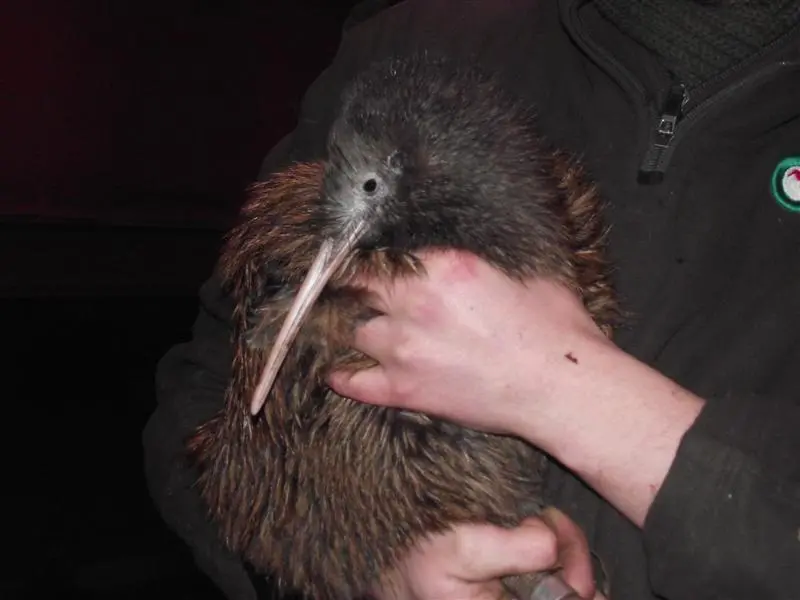
''The eggs they produce are just not of a high quality,'' Kiwi Birdlife Park wildlife manager Nicole Kunzmann said.
To give nature a helping hand, the park pairs kiwis according to genetics.
''They were good on paper - their genetics looked like they would make a good pairing ... and it was our job to try and make them fall in love.''
She hopes Tamanui will have a ''light-bulb moment'' and realise he needs to sit on the eggs, but because the eggs are of such a low quality, the pair are likely to be released into a sanctuary soon. Another breeding pair will take their place.
In the wild, kiwis have a 50% hatch success rate.