PHOTO
Many people can take credit for Health Minister Simeon Brown’s announcement last month of a $180 million boost to Queenstown-Lakes and Central Otago health services.
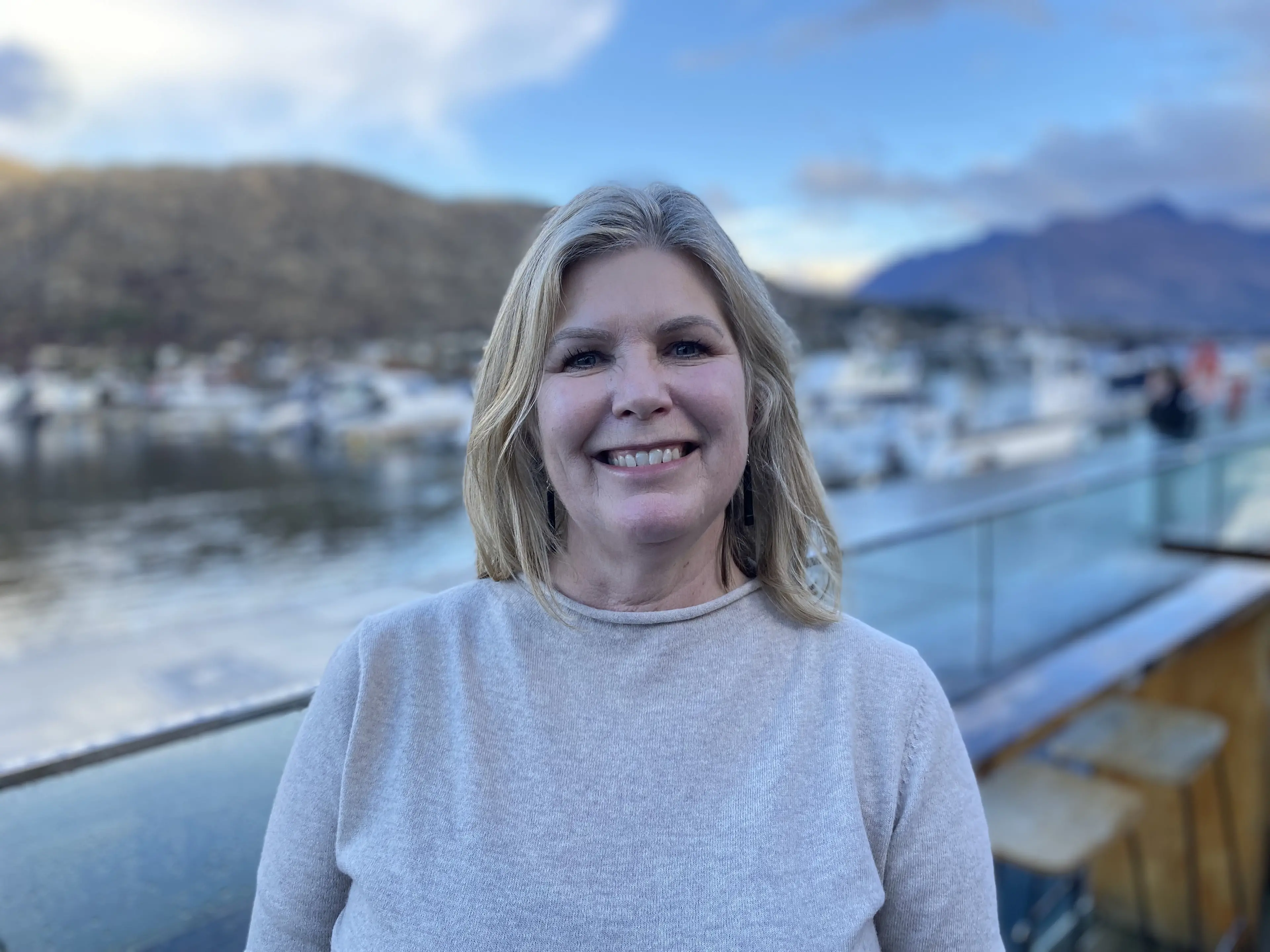
But most credit belongs to a little-known Queenstowner, 60-year-old Helen Foot, who was independent convener for the Southern Lakes Health Project team who successfully made the case this fast-growing area had been left well behind in the provision of health services.
The process began after local MP Joseph Mooney had what he is calling a "$180m cup of coffee" with Helen at a Queenstown marina cafe in October 2023.
Turns out, he could not have had a better person to head the project — involving input from health professionals, mayors and MPs — which led to the report the health minister acted on last month.
Helen’s grasp of the health sector stems from her initial career as a social worker.
"Part of what informed my career is I had a brother with a serious brain injury and heart defect from birth, so I went into kind of health and social services in the way you do when you’re really familiar with family members and their issues."
Born in Christchurch but raised in Hokitika by her mum after her dad died, she proceeded to qualify in social work at university.
An early job was managing a youth justice facility in Christchurch, "so I was drawn to where work was complex, demanding, political and fraught".
Then married with three children, Helen realised she needed more technical skills so she retrained in the project management profession.
Since 2008, she has enjoyed a stellar career in that profession, including being president of the Project Management Institute of New Zealand.
She estimates she has delivered more than 70 projects, "mostly delivering programmes or doing work where it’s become stuck and they’re looking to move things along".
Almost 20 years ago Helen bought property in Queenstown, "mostly because I’m a bit of a mountain girl".
This stems, she says, from her mountaineering dad — "he was the first one to climb the south face of Mt Cook in a weekend".
Thanks to Queenstown’s international airport, she has regularly commuted to Sydney to undertake projects there.
One related to getting New South Wales’ emergency services to agree on how to handle people exhibiting disturbing behaviour.
During Covid, she did a possible-record five managed isolation and quarantine stays between Sydney, Auckland and Christchurch.
Her first local health foray was chairing the former Otago Central Lakes Health Network, comprising health providers, for four years.
Helen also had a year running the new Dunedin hospital build — "I took it over when it was in a distressed state".
When the health network went the same way as the disbanded district health board, "I was left with all these issues, and I’m not one to walk away from something".
So that is when the Southern Lakes Health Project took off.
"What really impacted me quite early was listening to health professionals in their distress about trying to do a good job by the community they served, and not having what they needed to be able to do it."
Helen discovered Queenstown, in particular, was so low in the national pecking order because health bureaucrats felt we were full of privileged people, "and we could fly for our health services".
Helen last year also set up the Southern Lakes Health Trust to support the project on an ongoing basis.
She confesses she has had critics in her largely unpaid role.
"Sometimes we’ve been criticised for having politicians and mayors involved, but we would not have got anywhere without them involved."
She has also faced flak for being prepared to work with private providers.
Talking of pay, she says over the past three years "I probably earned $3 an hour, if I’m lucky, maybe $2, possibly $1 for the time I’ve put in".
She estimates she has put in 1000 pro bono hours, while her new husband, lawyer Tony Paterson — they married early this year — paid for 1500 hours of work performed by her team.
He now chairs the health trust.
Helen says "I feel like if the community knew how much we were doing with how little, they would want to get behind it and back it".
"There’s going to be bigger results from this health project than anything that’s been delivered before".
All the while she has also undertaken several paid projects, including many in Southland.
Poignantly, over the past 10 months she has also been receiving cancer treatment, requiring weekly trips to either Auckland, Christchurch or Invercargill.
"While I’m grateful it’s now over, it remains my hope the work we are doing on the health project means someone else with a similar condition would receive much of their treatment locally, reducing both the financial and emotional burden my husband and I experienced by being constantly away from home."
Meantime, Helen intends staying involved in some way till on-the-ground results occur.
"I’ll see this through until we have progress, because my experience is you can’t take your foot off the pedal."