PHOTO
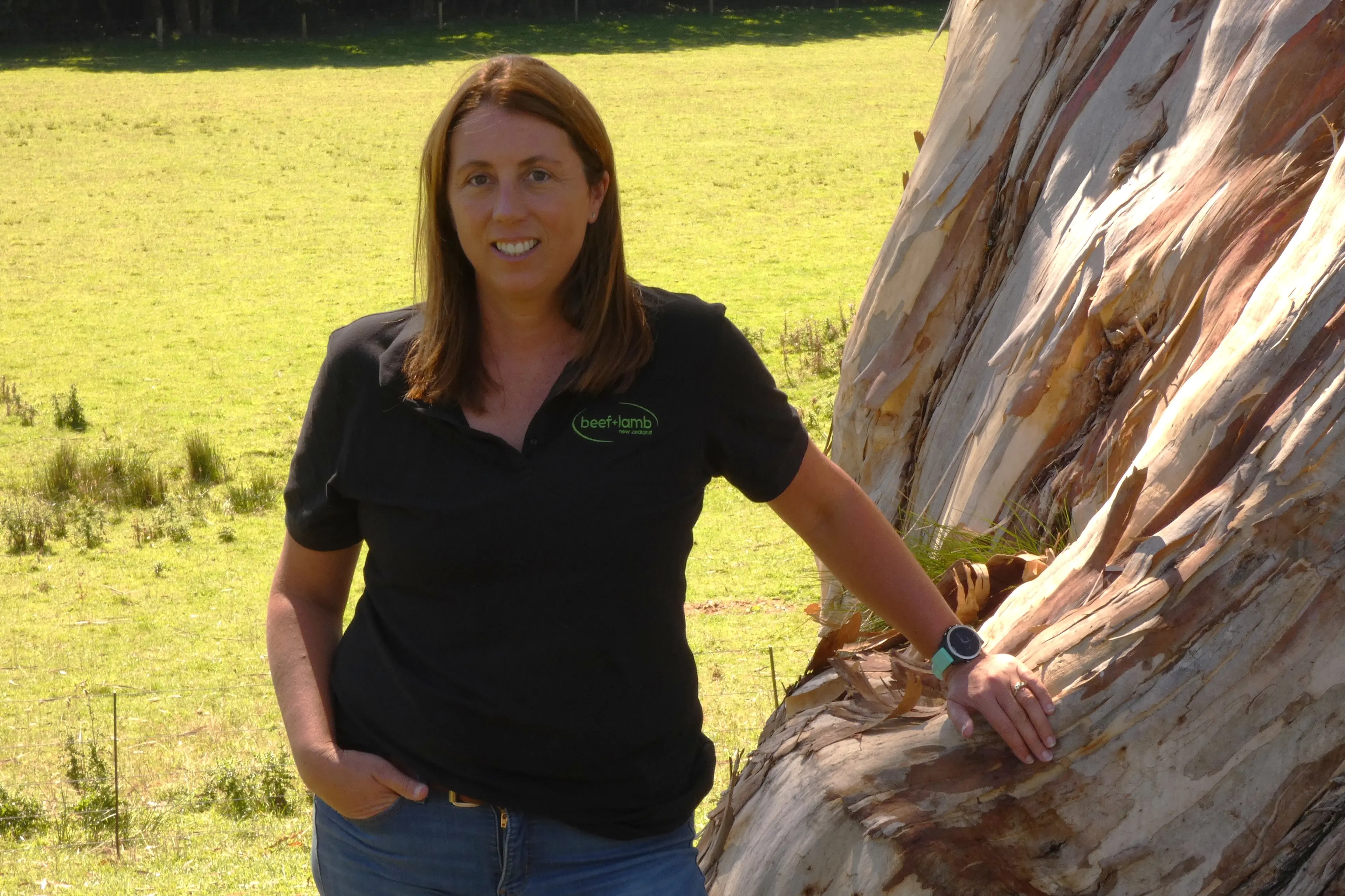
Strong leadership has put Mid Canterbury farmer Kate Acland ahead of other farming women as the stand-out winner of a new award.
Beef + Lamb New Zealand’s chairwoman, who farms with her husband, David, at Mt Somers Station, is the first Rural Woman of the Year winner at the Primary Industries Awards.
At a ceremony attended by more than 500 people in Auckland, judges said she had shown “inspirational leadership” in changing both the culture and effectiveness of the organisation.
“Under Kate’s leadership, we have seen a significant change in the sentiment of Beef + Lamb’s levy-payers,’’ they said.
“Someone needed to do it and Kate felt that she had the strength to take on the challenge and reset the organisation.”
The awards recognise the people, businesses and organisations driving the food and fibre industries forward.
Dairy leader Jim van der Poel received the Outstanding Contribution to Primary Industries Award.
Judges said there were few names carrying more weight than his in the dairy industry.
“Jim has made a significant, sustained and truly outstanding contribution spanning more than four decades of loyal service.”
He was among key players in the merger forming Fonterra, and steered the DairyNZ board as chairman from 2017 to 2024.
This was a challenging period of highs and lows in the milk price, increased environmental regulations, and coincided with the M. bovis outbreak.
The Champion Award went to Neil Bateup, who served as chairman of the New Zealand Rural Support Trust from 2017 to 2024 after playing a large role in establishing the national network.
Rural commentator and radio host Jamie Mackay is the new Agricultural Communicator of the Year.
He is the founder of rural radio show The Country, set up more than 30 years ago.
Primary Industries Awards winners:
Agricultural Communicator of the Year Award — Jamie Mackay
Rural Woman of the Year Award — Kate Acland
The Excellence in Agricultural Journalism Rongo Award — Alexa Cook
Emerging Leader Award — Danielle Hovmand
Champion Award — Neil Bateup
Team & Collaboration Award — Sow the Seed, Horticulture & Agriculture Teachers Association
Technology & Innovation Project Award — Prism Earth
Food, Beverage and Fibre Product Award — T&G Global
Guardianship & Conservation Award (Kaitiakitanga Award) — Parininihi ki Waitotara
Outstanding Contribution to New Zealand’s Primary Industries Award — Jim van der Poel
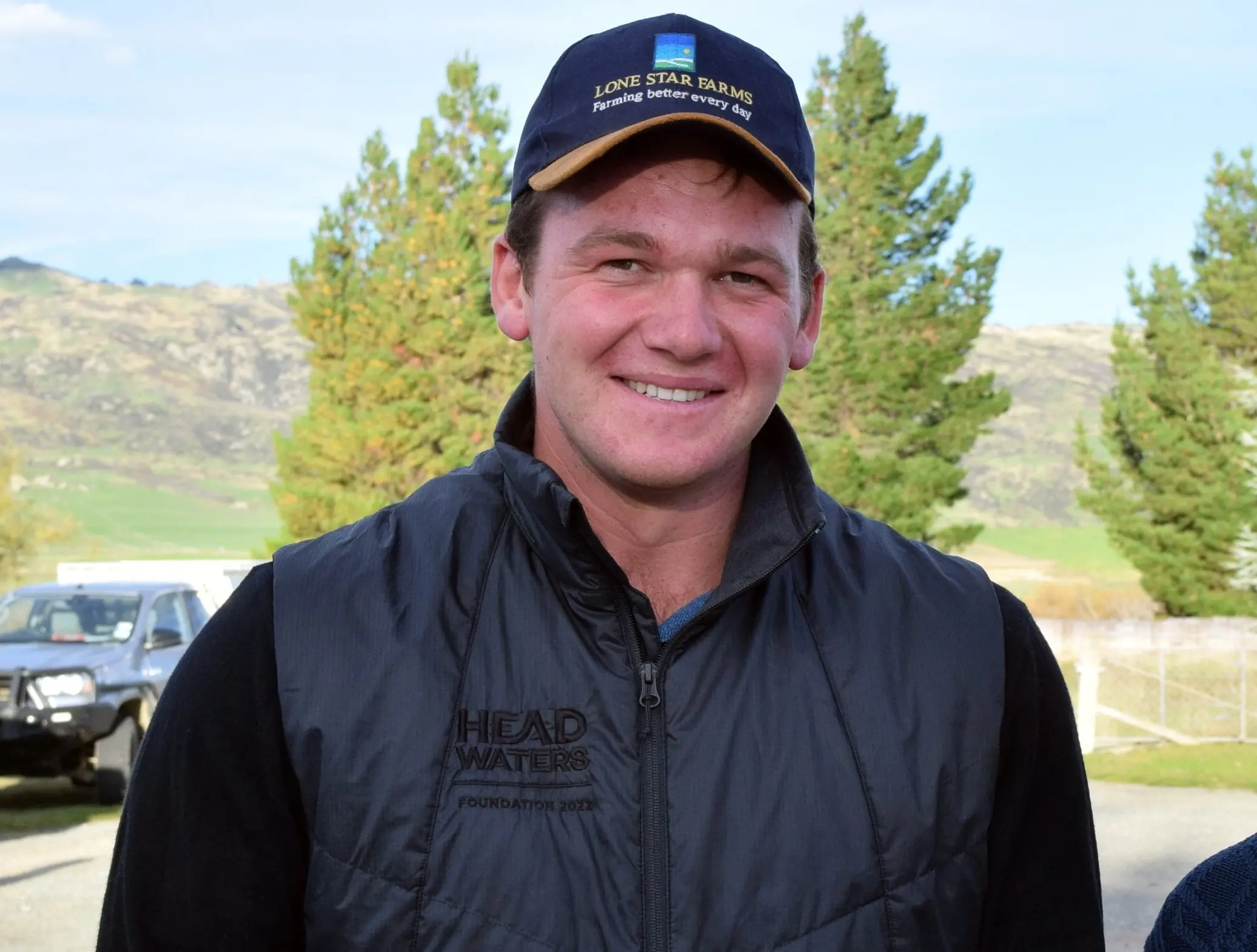
In another honour, South Canterbury-based stock manager Carey Pawson-Edwards won an award against some of Australasia’s most progressive farmers.
The Rabobank Management Project Award is a business management prize for up-and-coming primary producers throughout New Zealand and Australia.
Mr Pawson-Edwards was selected from a group of emerging farmers from both countries who were graduates of the bank’s Farm Managers Programme last year.
His business management project focusing on future-proofing the beef system at Caberfeidh Station, a large-scale breeding and finishing property in the Hakataramea Valley, resulted in him being presented with the award in Victoria, Australia.
The station is one of the six South Island farms that make up Lone Star Farms on a 6000-hectare property wintering 32,000 stock units and typically finishing 30,000 lambs and 1000 cattle each season.
Its earnings come from mainly Lumina lamb, Angus beef, bull beef, and wool.
Raised in Christchurch, Mr Pawson-Edwards has been working at Caberfeidh for four years after finding a career in agriculture.
“When I was about 12, I spent a bit of time at the farm my uncle worked on in North Otago. I really enjoyed it so then ended up going back there every school holidays afterwards, and that started my connection with the agri-sector.”
After high school, he spent six years at Coleridge Downs’ agricultural cadet training programme at Rakaia Gorge before moving to become a stock manager at Caberfeidh, managing a team of nine staff.
He said his management project was developed with the aim of future-proofing Caberfeidh’s beef system and exploring dairy and beef Integration on the farm.
“Normally a farm advisor would do this sort of thing, but Lone Star were happy for me to jump in there and lead the project utilising the skills I’d recently acquired on the FMP.”
His project developed a a more efficient and resilient production model in response to emerging costs and environmental and supply chain pressures within a traditional Angus beef finishing system.
“It’s focused on evaluating dairy/beef integration as an alternative system, using scenario modelling, greenhouse gas analysis and on-farm trials to compare productivity, profitability and environmental performance,” he said.
“The aim is to transition toward a simplified, lower-risk finishing system that better aligns with the farm’s feed curve, complements our Lumina Lamb programme, reduces emissions per kilogram of product, strengthens market opportunities for low-carbon beef and positions the business for long-term sustainability.”
Earlier, he and Tararua’s Grace Pettit represented New Zealand in the Global Sheep Forum Next Generation programme in Adelaide last July.