



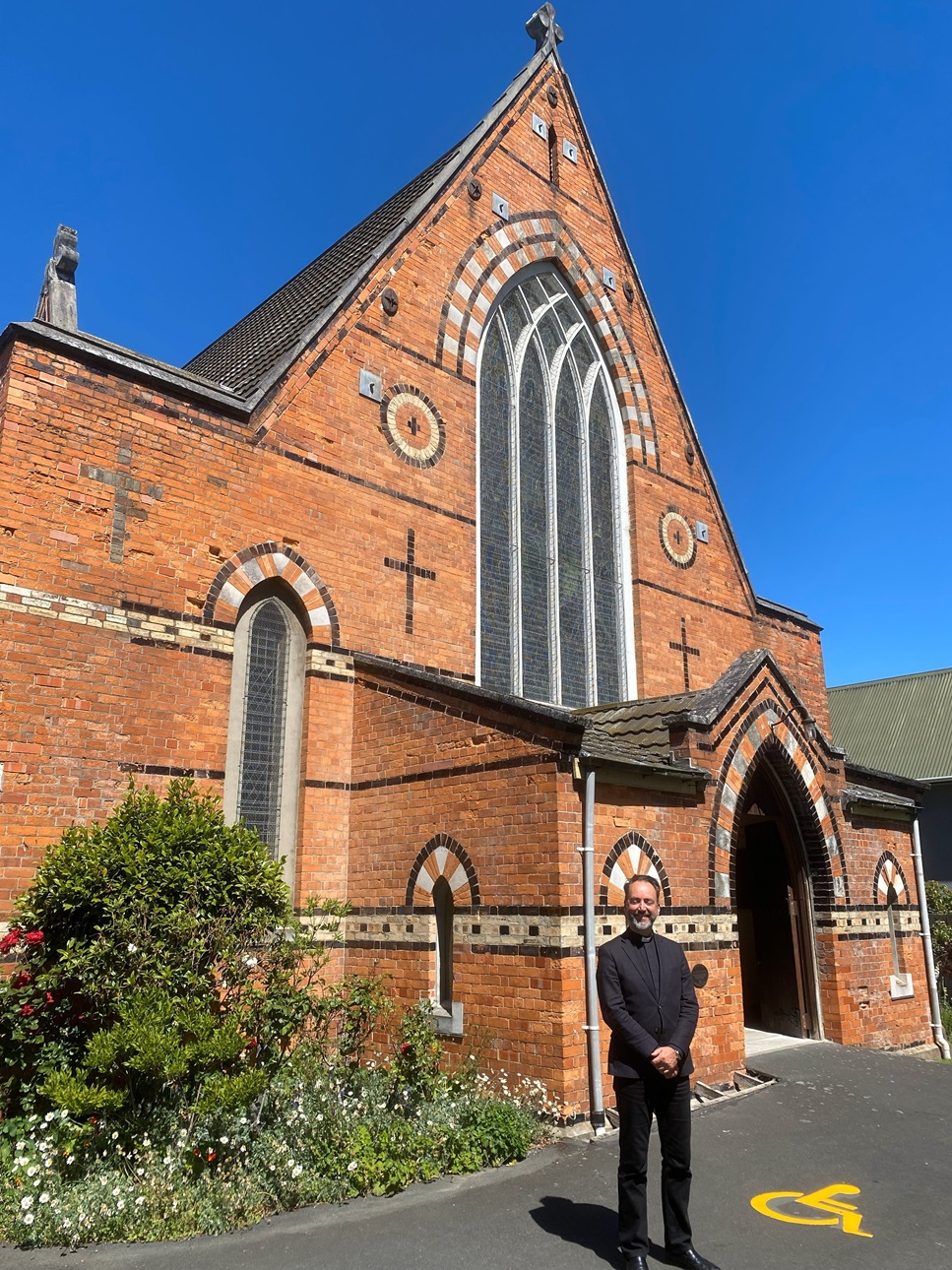
Located in the heart of the university precinct, All Saints’ is also the chapel for Selwyn College, the parish church for North Dunedin, the home of the popular All Saints’ Fruit & Veges scheme as well as host to musical and cultural events.
Leading the All Saints’ community and associated organisations is All Saints’ vicar Canon Dr Michael Wallace, who is proud of the church’s 160-year history.
Built in 1865, All Saints’ was the first building devised by architectural firm Mason & Wales and is a rare example of Gothic revival architecture, which holds Heritage New Zealand Category 1 historic status.
"When All Saints’ marked its 160th anniversary last year, we were able to put some exciting things in place to mark that milestone," Canon Wallace said.
These included commissioning a piece of music from Dunedin composer Prof Anthony Ritchie; commissioning Dunedin artist Manu Berry to create limited edition woodcuts of All Saints’ sold to support restoration work on the church; and instituting the George R. West prize for the person who made a significant contribution to music at All Saints’ each year.
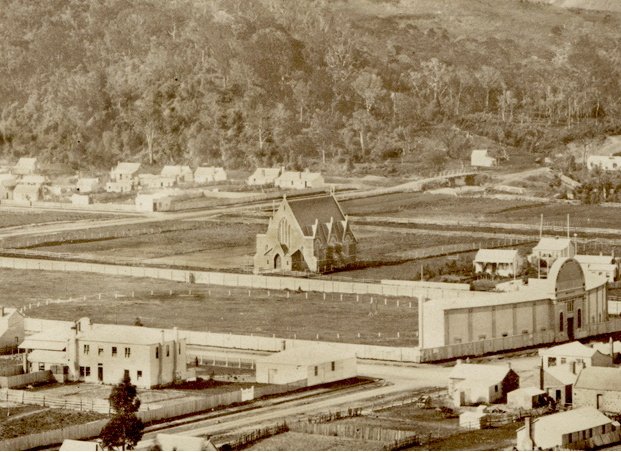
Rather than demolishing it and building a new church on the site, parish members chose to stabilise the church, including removing the slate roof and replacing Oamaru stone pillars with concrete, and putting in "ties" to strengthen it.
"It was great foresight on their part to preserve the history of this place, which remains so important to the church and wider communities today," Canon Wallace said.
All Saints’ was well used by local and visiting groups, including musicians for performances, choirs for rehearsals and concerts, as well as organists who played the church’s 1877 Bevington & Sons pipe organ, he said.
"And our hall is used for everything from rangers events to laughing yoga."
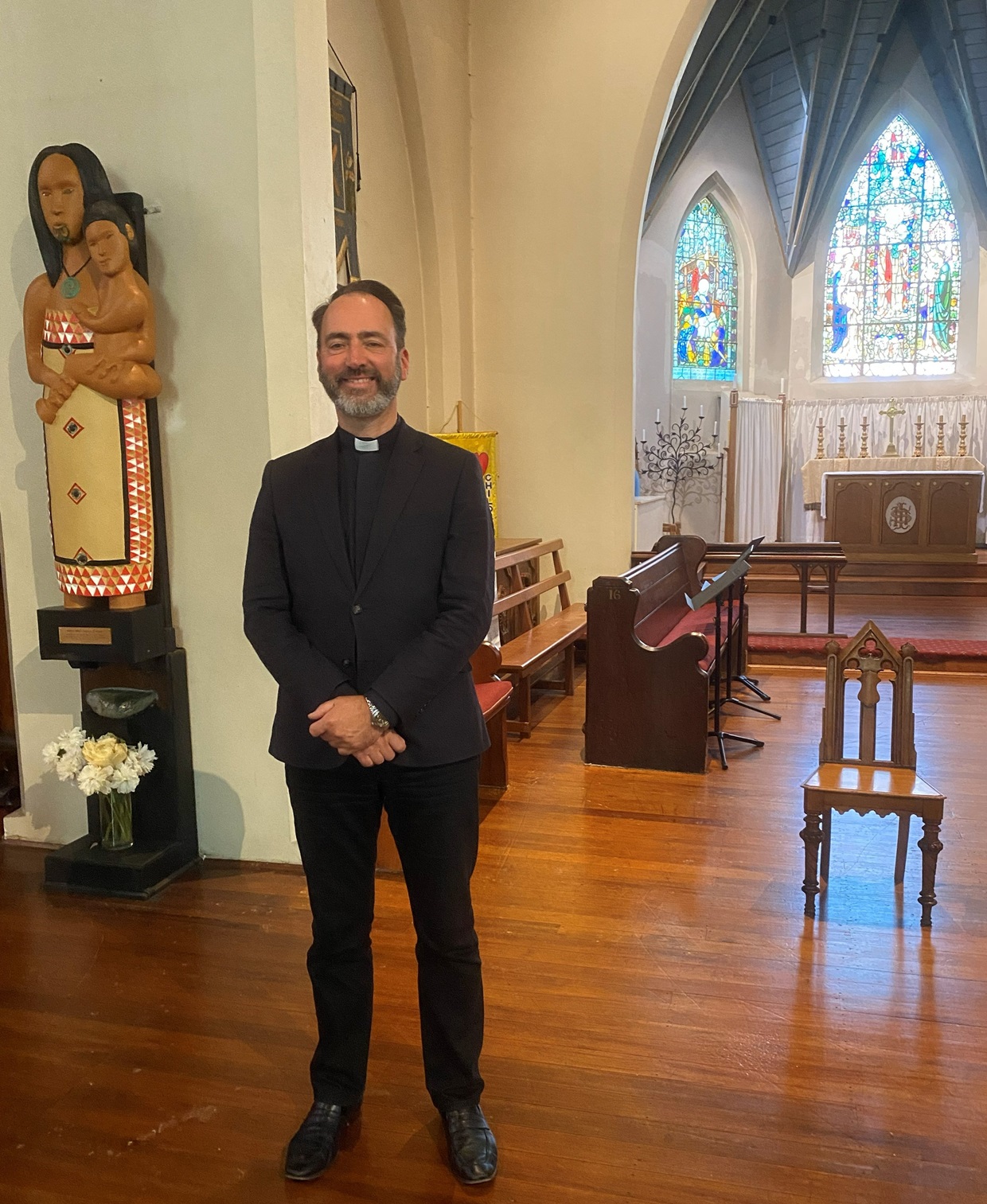
All Saints’ also houses a significant collection of stained glass windows, both historic and more recent — including a window commissioned from local artist Jenna Park and stained glass artist Peter Mackenzie to commemorate Arnold Spencer Smith, Antarctic explorer, padre and photographer to Sir Ernest Shackleton’s trans-Antarctic expedition.
All Saints’ and the Dunedin North Parish are working to restore the historic church, with support from Heritage NZ and the Dunedin City Council.
Among the areas of the church which have been identified as needing restoration are the roof, which needs to be returned to slate as well as repairs to spoutings and drains, walls, brickwork, wiring and more.
The cost is expected to be in the hundreds of thousands.
"A lot of the work that is needed is the kind of ongoing care and restoration needed in any historic building — it is just a fact of life," Canon Wallace said.
"Overall, the building is in pretty good condition, it just needs some attention in places."


