
PHOTO
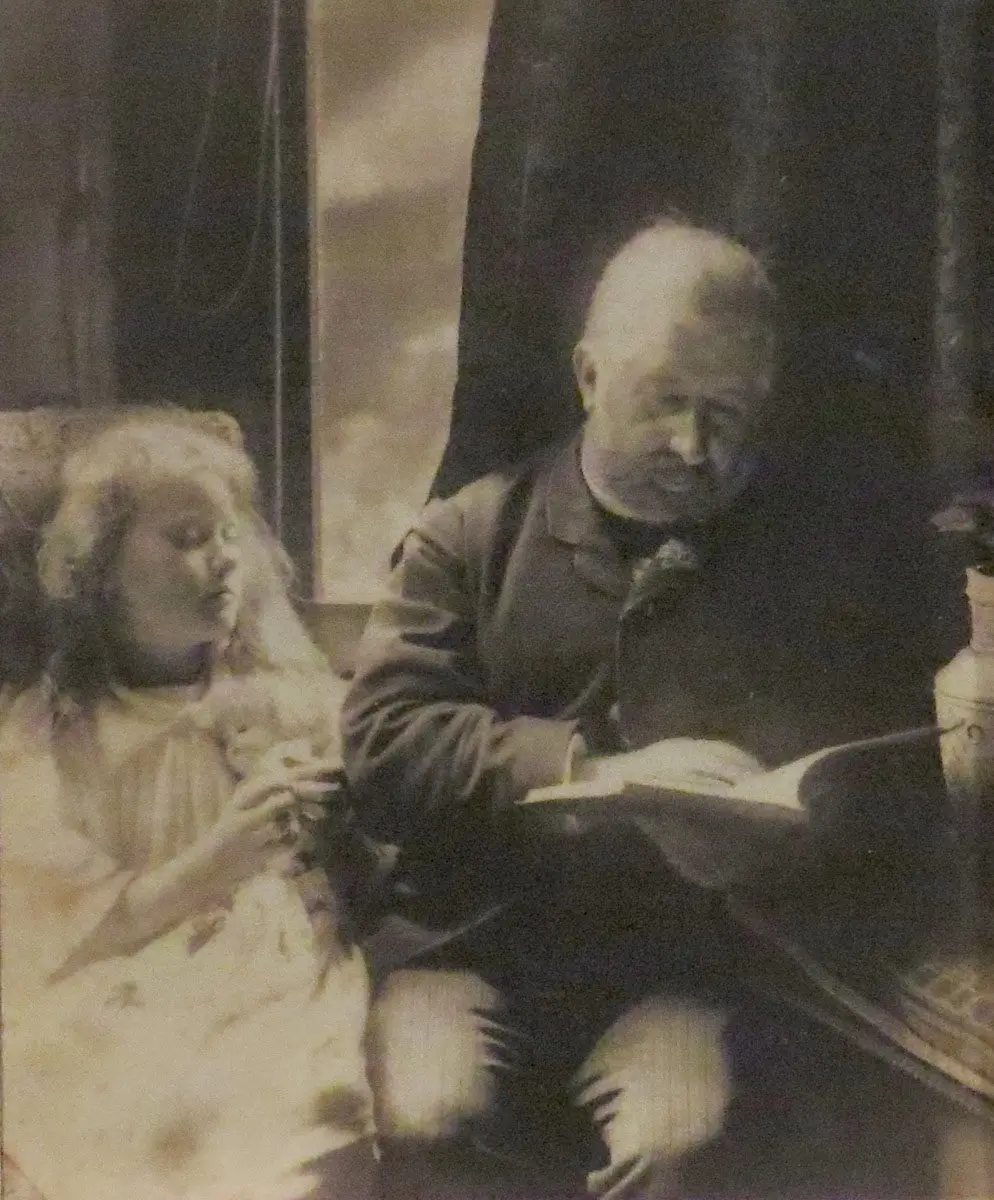
"A Different Light: First Photographs of Aotearoa"
(Hocken Collections)
The Hocken is showing a remarkable and fascinating exhibition on early New Zealand photography.
The display has been excellently curated, with extensive information on photographic processes and the cultural status of early photography, notably in the fad of photographic visiting cards. We are taken from 1850s daguerrotypes through a variety of processes down to the gelatin print, a process which was still used in greatly modified form up to the modern era.
The photographs themselves detail pioneering life in the colony and the rapid growth of its settlement and society. We see the growth and blossoming of early towns, with impressive panoramas of Auckland, Wellington and Dunedin and important moments in their nascent histories. Something of the relationship between settler and tangata whenua is also evident, notably in the lucrative business — for the photographers alone, of course — of creating sought-after portraits of "Māori celebrities". We also become aware that the adage "the camera never lies" was as false in the 19th century as in today’s world of Photoshop and AI.
Most charming among the photographs are those from the close of the 19th century, when photography was becoming less elite. Images like Bessie Hocken’s domestic scene of her husband Dr Thomas Hocken and their daughter have a sincere warmth that is evident over a century later.
(Dunedin Public Art Gallery
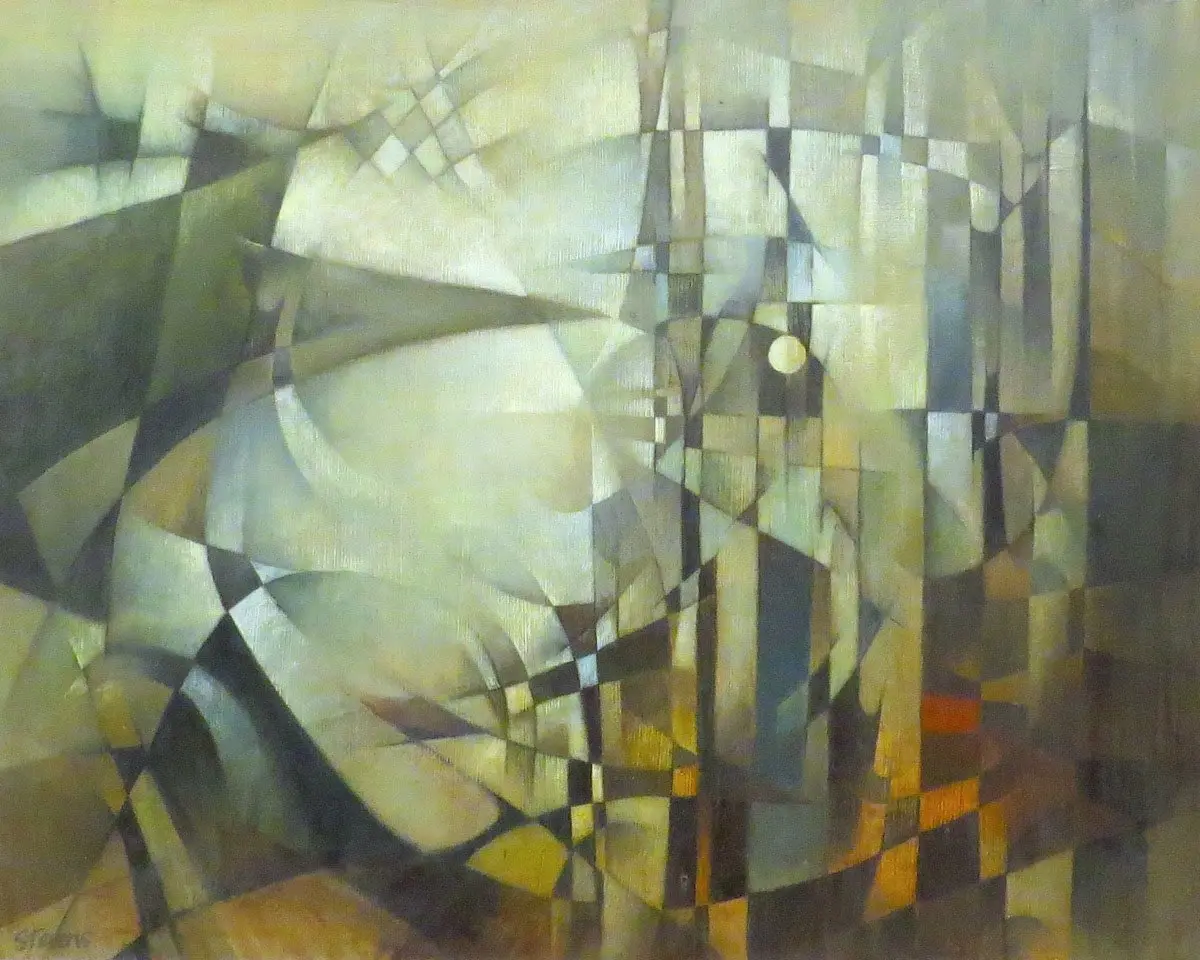
As with the Hocken exhibition, Dunedin Public Art Gallery’s exploration of abstract art takes us on a journey through the development of the art, from the semi-representational to pure abstraction.
The exhibition focuses on New Zealand abstraction from its embryonic years in the 1940s through to the flourishing of geometrical and op art in the 1960s and 1970s. Many of the earlier works rely on a semi-abstract style heavily influenced by other modern art schools. John Weeks’ Moroccan Theme is as much expressionist as it is abstract, and Bill Culbert’s Tugs, Barges, Thames relies as much on its cubist antecedents as on its bold use of monochrome cuts.
Opposing these works on the other side of the gallery space is a series of works which brings other meanings of the term abstraction into play.
Erwin Steiner’s warm bronze-tinted acrylic attempts to depict the abstract concept of Adulation in pictorial form. From here, the art abandons even this call to realism, instead moving to the pop art expression of geometric patterns to create near-hypnotic effects and illusions. These are represented here by works from Don Peebles and John Coley, while alongside these, Mervyn Williams explores the geometries and patterns of pure form.
(Fe29 Gallery)
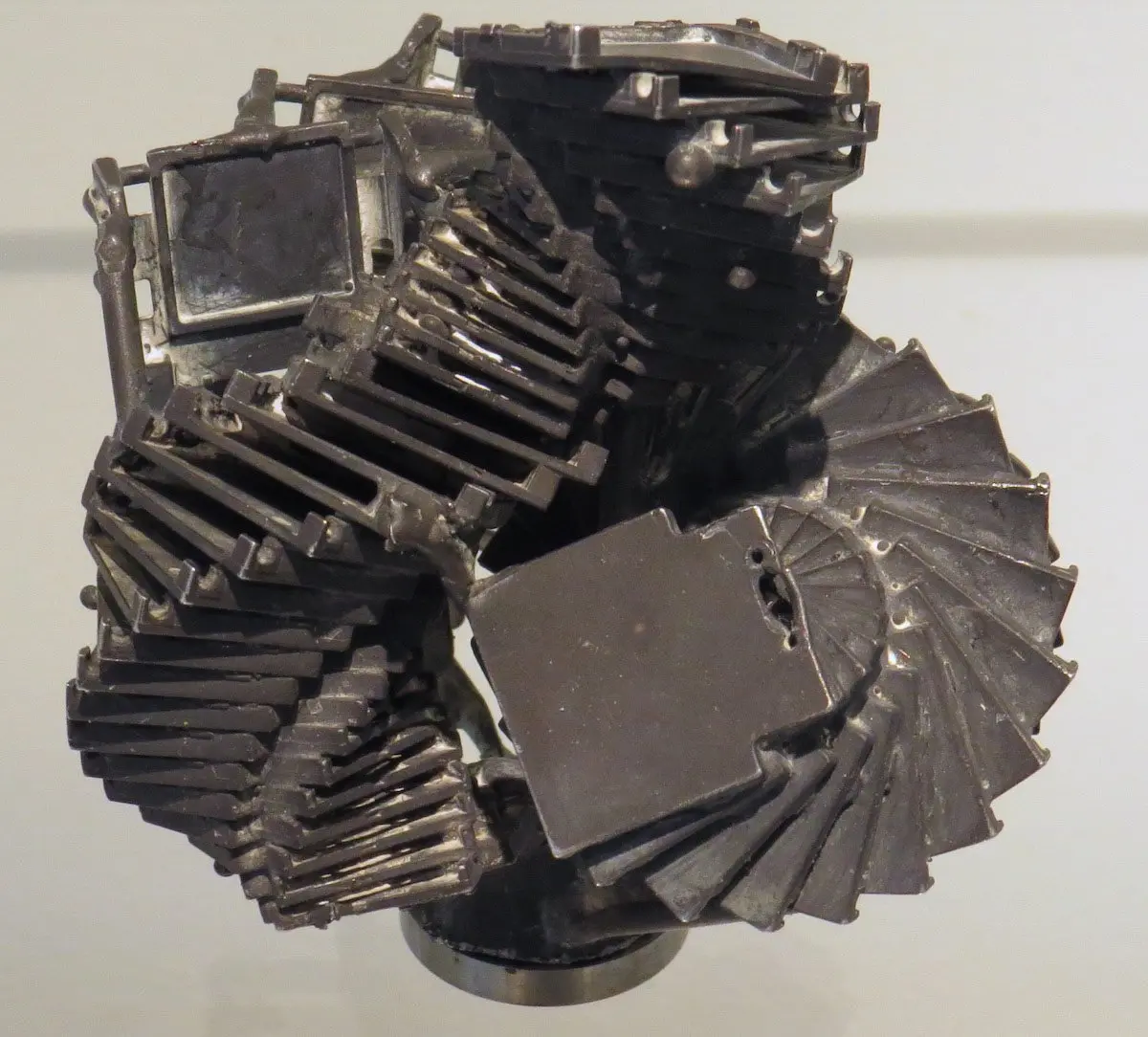
Johann Zellmer, both solo and as part of the duo EDWARDS+JOHANN, is treading the vapour-thin borderline between art and science in the current exhibition at Fe29.
Most of the works utilise genetic technology to create sculptural pieces, fulfilling Marshall McLuhan’s adage that the medium is the message. The pieces, varying from delicate necklaces to amorphous semi-translucent forms, are created from molten flow cells — glass laboratory storage chambers used for analysing DNA. The resulting pieces are thus filled with echoes of life, much as ashes from cremation may be compressed into artificial diamonds. EDWARDS+JOHANN’s photographic images of the pieces become microscope slides of these new glass creatures, as unique and filled with personality as organisms created by DNA are intended to be.
The "intended" is the point. Biopolitical expectation and advances in genetic science are leading us inexorably towards the risk of manufactured conformity. Strands of DNA are reduced to bare data — strings of Gs, Ts, Cs, and As. By creating necklaces from symbols of this dystopian conformity, these unique forms are placed against some of our most vulnerable biological points, at the neck. We are forced to contemplate the economics and politics of genetic science, as we are faced with the remains of scientific storage instruments placed against the vulnerability of our natural state.