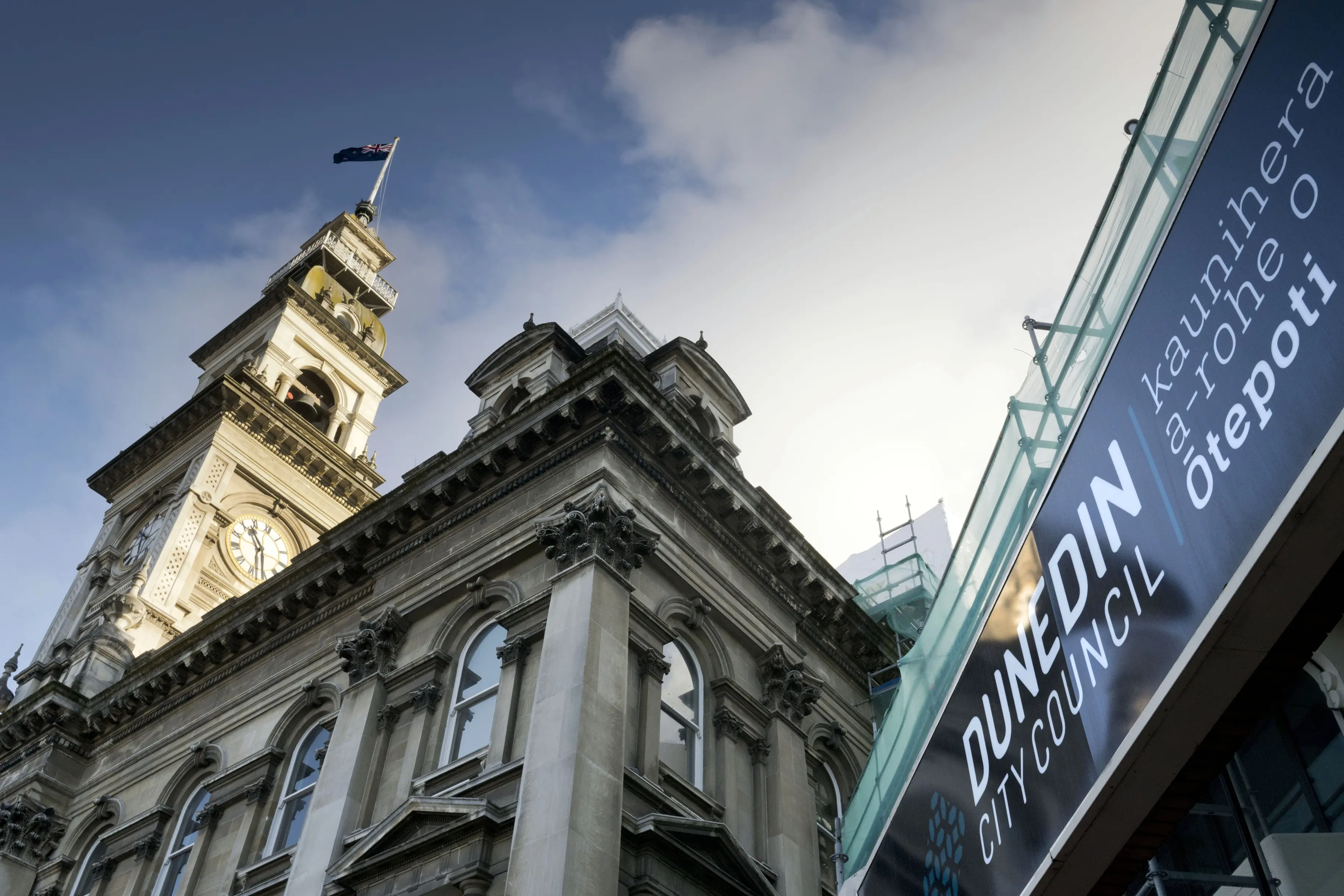
[Missing Credit]Graphic: Allied Media Questions remain over an employment initiative from senior Dunedin City Council (DCC) staff which has driven up the organisation’s “non-contractual payments”. The council characterised the payments as part of a “more proactive approach to managing employment matters” but declined to provide further details, including the total cost of payments. It rejected any suggestion the payments highlighted a culture problem at the council. Ex gratia payments made by the council increased from two each in 2023-24 and 2024-25 to three in 2025-26. For “other non-contractual payments”, the council made one payment in 2023-24, three in 2024-25 and five in 2025-26. Guidance from the Office of the Ombudsman defines ex gratia payments as a form of discretionary spending made without the giver recognising any liability or legal obligation. “The payment is made out of goodwill or a sense of moral obligation, and is often accompanied by an apology.” The figures were released in answer to a Local Government Official Information and Meetings Act (LGOIMA) request which comprised several questions on staff conduct. In response to questions from the Otago Daily Times, a council spokesman said more details of the payments would be outlined in the organisation’s upcoming annual report. When asked, he rejected any suggestion the frequency of payments reflected a culture problem, which has been raised as a concern by some councillors in recent weeks. “To represent the figures in this light would be completely incorrect,” the spokesman said. “What the numbers show is a deliberate change, initiated at the direction of the DCC’s executive leadership team, that moves the organisation towards a more proactive approach to managing employment matters.” “This has resulted in a slight increase in ex gratia and non-contractual payments to a handful of staff, but we believe this approach delivers the best outcome for the organisation and ratepayers.” The council declined to answer the ODT’s further questions, including why the change was initiated, what the “proactive” approach meant in practice or how specifically the approach served ratepayers. The spokesman said the council’s numbers were consistent with other metro councils, but declined to provide examples. In its LGOIMA response, the council said three personal grievances had been received between January 2023 and May 2026. It declined to answer most questions under the Act as the information requested could not “be made available without substantial collation or research”. ruby.shaw@odt.co.nz