
PHOTO
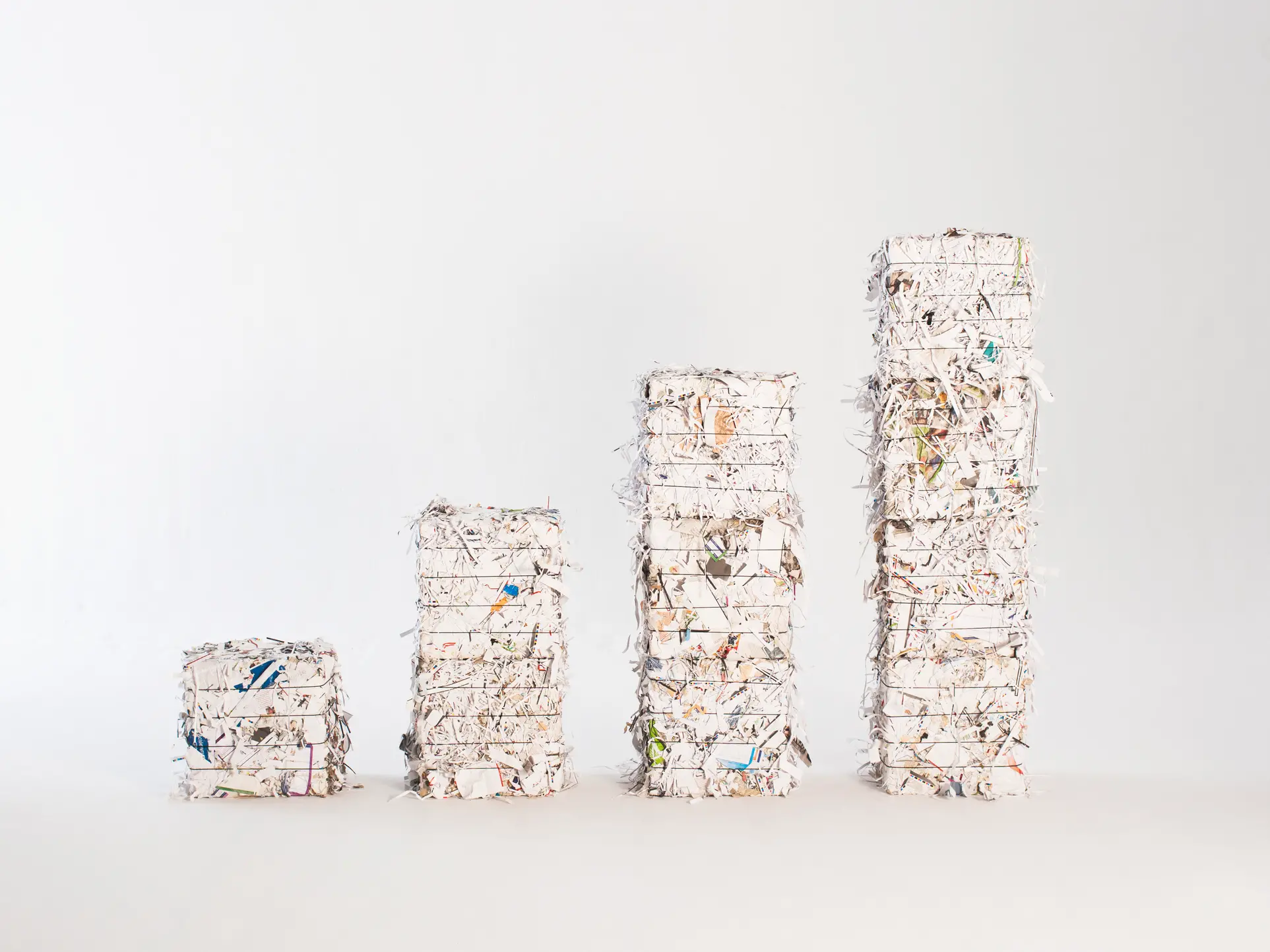
A mountain of unwanted recycling is building up at Dunedin’s processing facility, as tighter restrictions by China lead to an international glut of materials.
However, the Dunedin City Council hopes investment in new domestic processing facilities within New Zealand could yet provide an alternative to shipping the city’s recycling overseas.
That could include a joint DCC-Otago Regional Council bid for money from the Provincial Growth Fund to help pay for a new regional approach to waste minimisation, DCC staff have confirmed.
The developments emerged as DCC waste and environmental solutions group manager Chris Henderson on Friday confirmed there was now a 450-tonne stockpile of recycled paper — newspapers, magazines and flyers — at the city’s Green Island processing facility.
The stockpile had been accumulating for about the last two months, at a rate of about 250 tonnes a month, due to the loss of markets for the materials, he said.
That followed a decision by China in 2018 to introduce its "National Sword" policy, banning imports of most plastics and other materials, including paper, after previously handling almost half the world’s recycling.
The new policy had created flow-on effects for international supply, which was now higher than demand, leading to stockpiles like the one in Dunedin, he said.
"The market for recycling material is drying up quite quickly at this point in time," Mr Henderson told a DCC meeting on Friday.
India was now the only export market available for mixed fibre, but had "stringent" quality controls requiring less than 1% contamination before material was accepted.
In New Zealand, Oji Fibre Solutions processed fibre, but the company already had sufficient supplies from sources closer than Dunedin, he said.
DCC solid waste manager Catherine Irvine said the council was now discussing a new regional approach to waste minimisation and new facilities — and how to pay for it — with the ORC.
That could result in an application to the Provincial Growth Fund, she confirmed.
The city — like others in New Zealand and overseas — had become reliant on overseas markets for recycling, but had "created a rod for our own back by doing that", she said.
Investment in new domestic processing facilities would make New Zealand’s recycling sector more resilient to future shocks, she said.
Mr Henderson said more investment by the Ministry for the Environment — using Waste Levy funds to develop on-shore processing facilities in New Zealand — was also on the horizon, and was expected to help ease the situation in future.
In the meantime, he was confident a market for Dunedin’s existing stockpile had been identified, but there would need to be tighter control of contamination levels within the city’s recycling in future to ensure the material was accepted.
"We have not had issues in the past, but with new standards in place we want to ensure that we don’t incur the cost and loss of reputation in the markets by having material sent back."
The latest problems with oversupply came after Associate Environment Minister Eugenie Sage, in a speech last year, said China’s new policy was having "significant impacts" on New Zealand’s resource recovery industry.
It represented a "significant challenge" for councils, 10 of which had either stopped, or were about to stop, collecting some types of plastic.
Two of New Zealand’s largest councils had also been forced to "bail out" their recyclers, she said.