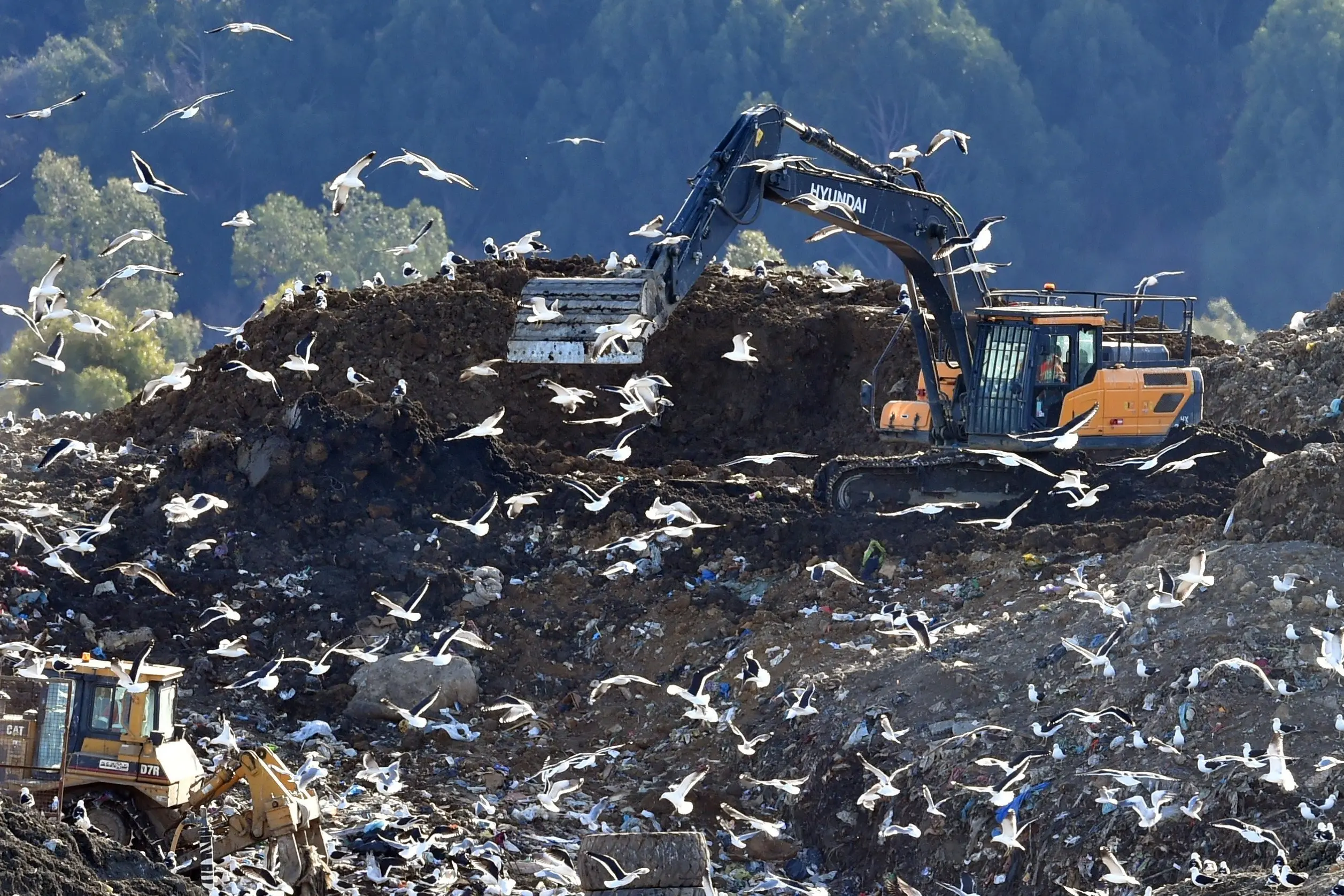
Assumptions about Dunedin’s planned Smooth Hill landfill are being revisited, as questions mount about financial viability. The Dunedin City Council said it was reconsidering a wide range of assumptions relating to the landfill’s business case. This work coincided with waste volumes and revenue from the Green Island landfill falling below expectations, but the council pushed back against suggestions this meant the Smooth Hill project was in trouble. Inaccurate estimates about Green Island volumes had been corrected and updated figures were part of an updated business case for Smooth Hill, the council said. The council had also decided to request proposals for potentially transporting waste out of Dunedin. This would allow the council to determine next steps before its next 10-year plan and — as with all capital projects — reconsider planned expenditure if deemed necessary, a spokesman said. “It’s also appropriate to test our earlier assumptions given the different operating environment all councils are heading into, including planned rates caps and other local government reforms, before committing to such a large capital investment.” The $92.4 million Smooth Hill project is under particular scrutiny while the council prepares its 2027-37 long-term plan, as it is expected capital expenditure will be constrained if the government caps rates increases. Cr Andrew Simms campaigned against Smooth Hill before last year’s election and he again raised questions this week. “Earlier projections regarding the viability of Smooth Hill were based on a close to 100% increase in revenue [out to 2034]. “But all of the trends that we’ve seen, both at Green Island and elsewhere, do not support anything like that.” Waste minimisation initiatives had been successful, Cr Simms said. Building the Smooth Hill landfill was less viable than had been assumed. Dunedin Mayor Sophie Barker said she was happy to review assumptions about Smooth Hill. “It will be important to re-crunch the numbers under the expectation of a rates cap.” The council’s latest financial update, for the 2025-26 year until May 31, showed Green Island was receiving less commercial waste than expected — revenue was $961,000 down on budget. Revenue had also been over-estimated because of incorrect reporting of previous waste volumes, the council said. Internal revenue from wastewater treatment plant sludge disposal was $438,000 down on budget. Kerbside collection disposal fees were $99,000 down on budget because waste volumes from red-lidded bins were lower than forecast. The council said inaccurate estimates for 2025-26 were corrected in September last year and the Smooth Hill business case updated. Over-estimated landfill revenue was offset by reduced landfill operational costs, a spokesman said. Waste received at Green Island had increased by about 2% a year over the past three years. Cr Mandy Mayhem said a reassessment was prudent. “A key question is whether the updated waste projections, costs and long-term needs continue to support the original business case. “I hope the review process will give councillors and the public a better idea of risks, viability and alternatives around this project.” Cr Jo Galer supported reviewing the situation. “It’s financially prudent to revisit Smooth Hill assumptions, especially given the inaccuracy of some of the data we now know was used for council to make earlier decisions.” Sunk costs associated with the Smooth Hill project needed to be taken into account, she said. Cr Brent Weatherall said no programme was exempt from being revisited to ensure they provided affordability and genuine benefit and earned their place in the 10-year plan. He felt Smooth Hill was on solid ground unless experts, rather than councillors, could show otherwise. Cr Russell Lund said accurate, factual information was needed. “To staff’s credit, they have recognised many of the assumptions made regarding waste volumes and other matters were not credible and are revisiting these.” grant.miller@odt.co.nz