
PHOTO
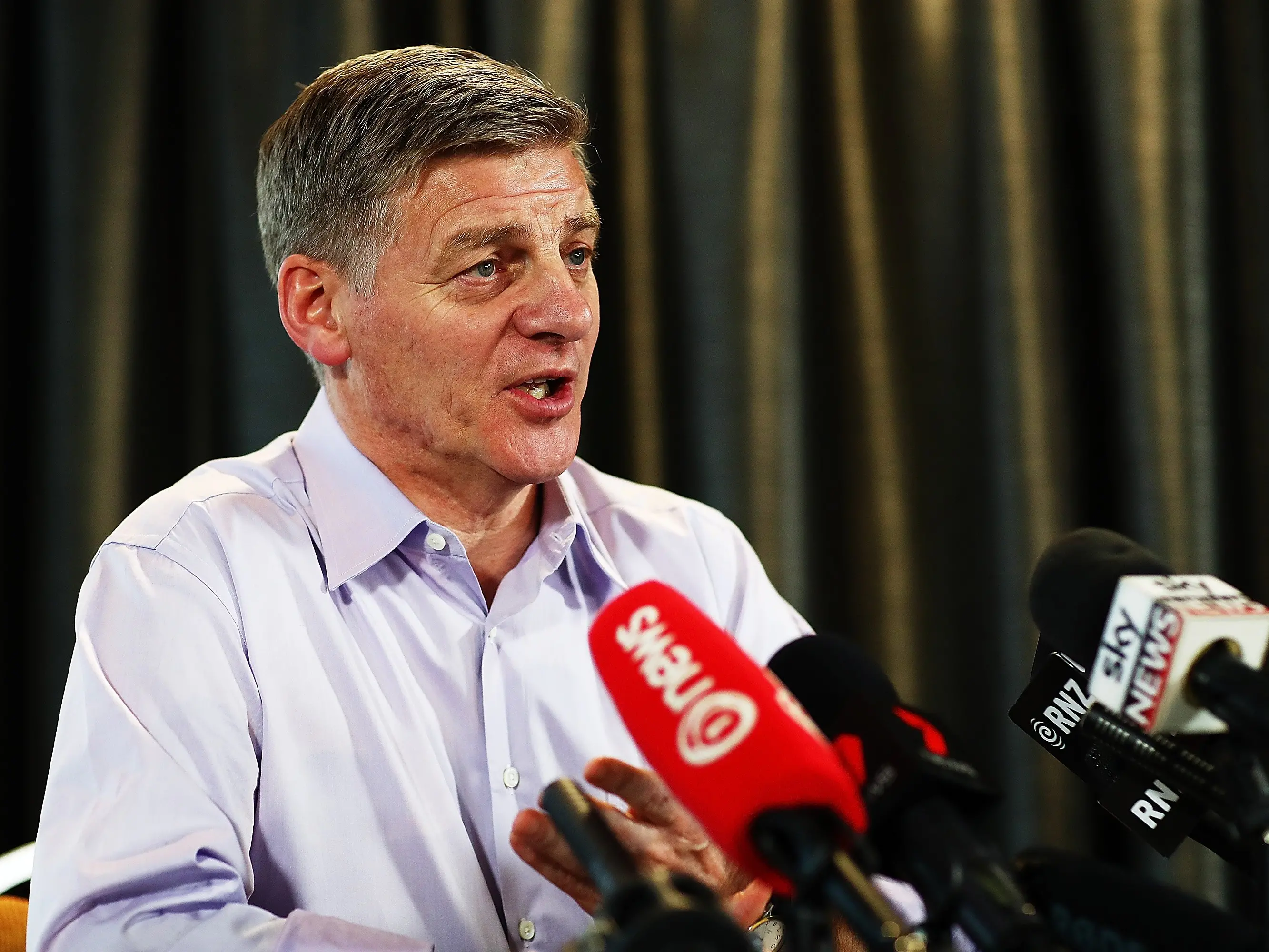
National and New Zealand First do not need to wait for special votes to be counted to form a coalition government, Prof Andrew Geddis, of the University of Otago, says.

The parties’ combined vote was large enough to offset an expected swing to the left in special votes.
National had 58 seats to Labour-Greens’ 52. The 15% special votes yet to be counted would not give the two parties more votes than National once distributed. Winston Peters might choose the Labour-Green bloc, but National had the strongest position, he said.
While there was no rule that the largest party governed, New Zealanders were used to it being the case, he said.
A three-party coalition would be less stable than a two-party coalition, but each carried risk on that front.
"Whoever governs the next term faces a real risk that the arrangement implodes, and voters have shown that they are very willing to punish governments that can’t demonstrate stability."
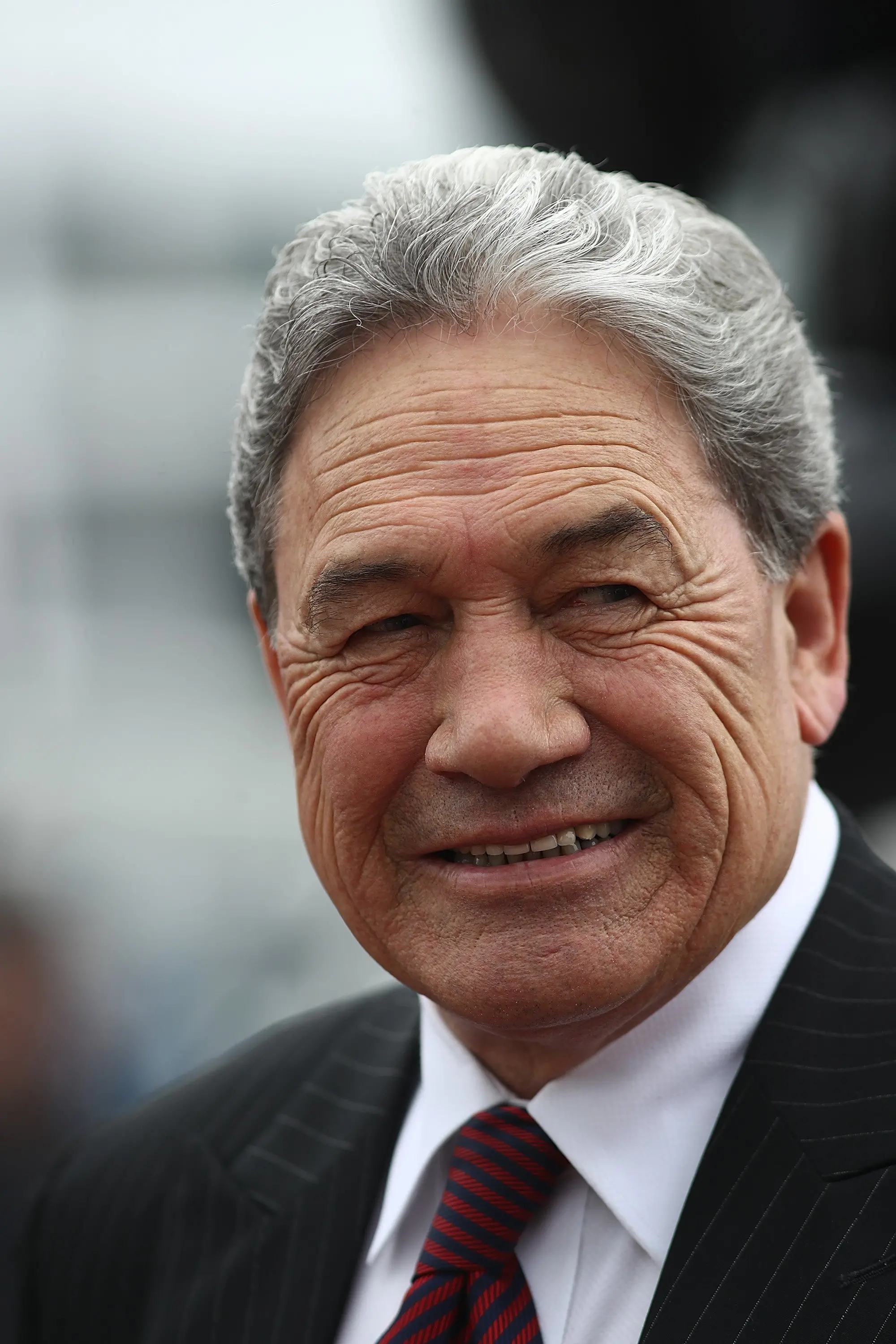
Asked about criticism of Mr Peters’ ability to hold the balance of power with 7.5% of the vote, Prof Geddis said such comment was unreasonable. The nature of MMP was that parties had the right to co-operate with each other, or not, as they chose.
"We could be just as angry, I guess, with Labour and National for not putting their particular partisan interests to one side and forming a government."
A fourth-term National government was likely to have a different feel. Leader Bill English went into the election on the back of John Key’s legacy, but secured a resounding vote in his own right.
"If they form the next government, he will want to use the next three years to run a Bill English government, rather than a continuation of a John Key government."
Fourth-term arrogance was a risk, Prof Geddis said.
"No-one can govern forever, and the longer you go on, the more baggage you pick up.
"The longer people are ministers, the more they lose touch with real New Zealand.
"You become wrapped in a bubble; you have lots of people around you telling you how wonderful you are," Prof Geddis said.
National’s achievement was notable given the high level of support it enjoyed after nine years in power, he said.