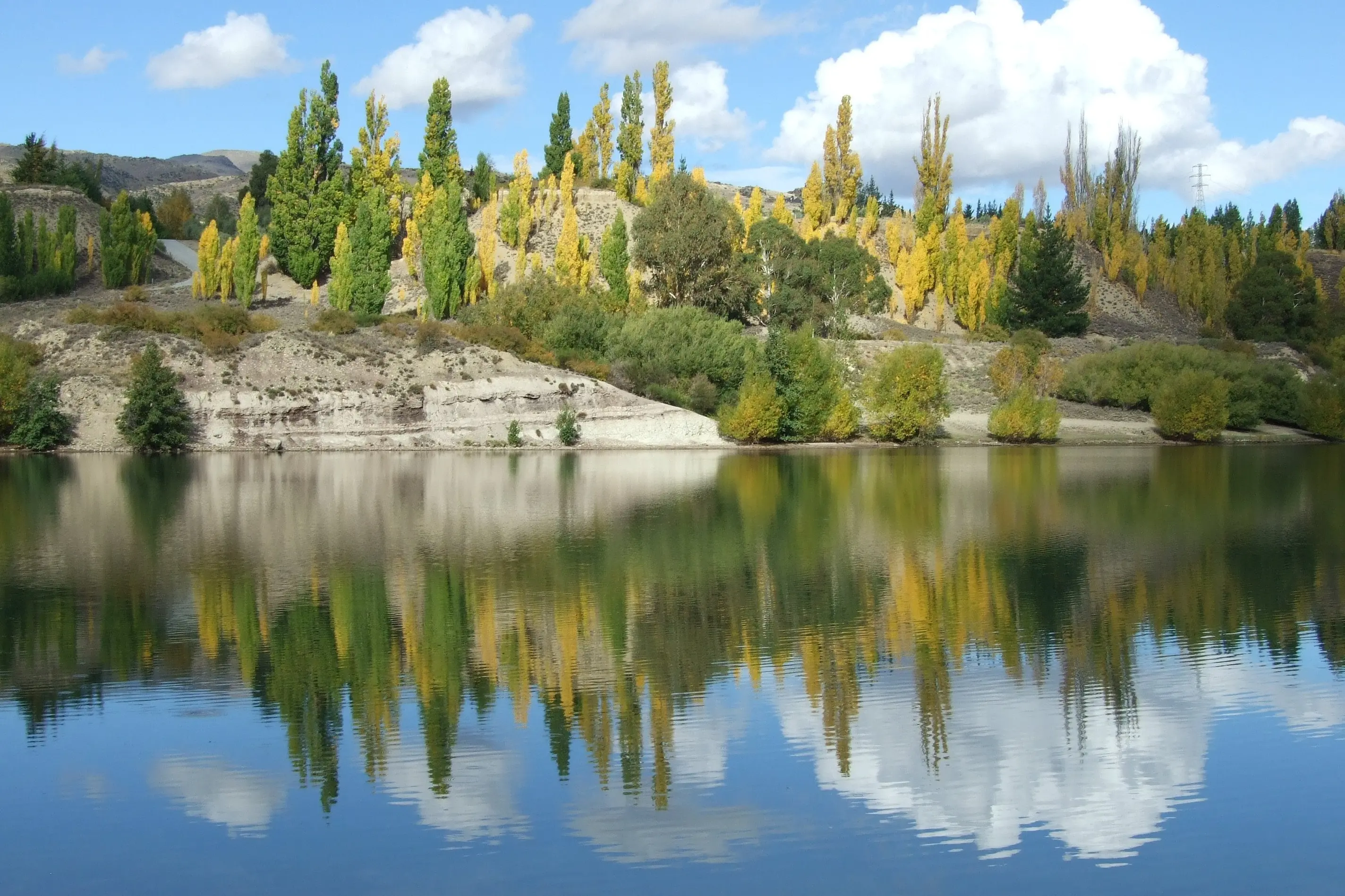
A large area of sediment, resembling something of an island, has taken hold in the Bannockburn Inlet but it is not going to last long. Contact Energy has begun work to remove natural sediment deposits in the Bannockburn Inlet as part of the resource consents it holds to operate dams on the Clutha River. Over time sediment carried through the Kawarau River settles in the inlet. Contact Energy head of generation — hydro Boyd Brinsdon said the plan was to remove 20,000cu m in this area. Because it was a small amount, relatively speaking, the company was returning it to the main flow of the Kawarau River, he said. About 1 million cu m of sediment floats down the river every year. Contact Energy would be working in the area until October. He said sediment volume in the river system overall was not increasing. "There’s an accumulation of sediment in this area that needs to be managed as part of our consent to ensure there is a navigable river channel, and the recreational amenity of the area is maintained,” he said. The sediment would be extracted using a floating dredge and piped back into the main flow of the river a short distance away, Contact Energy said in a public message about the work. The sediment island that had built up near the front of the inlet would be removed. Work would be carried out from 7am-5pm Monday to Friday and from 7am-noon on Saturdays. Contact Energy would share an update and more information on the Kawarau Arm Community Project with key stakeholders and the local community soon. It was committed to upgrading the waterfront around old Cromwell town based on native planting, a raised boardwalk, jetty extension and land reclamation. It had planted some native plants for a trial to see what species of plants would survive a hydro lake environment.