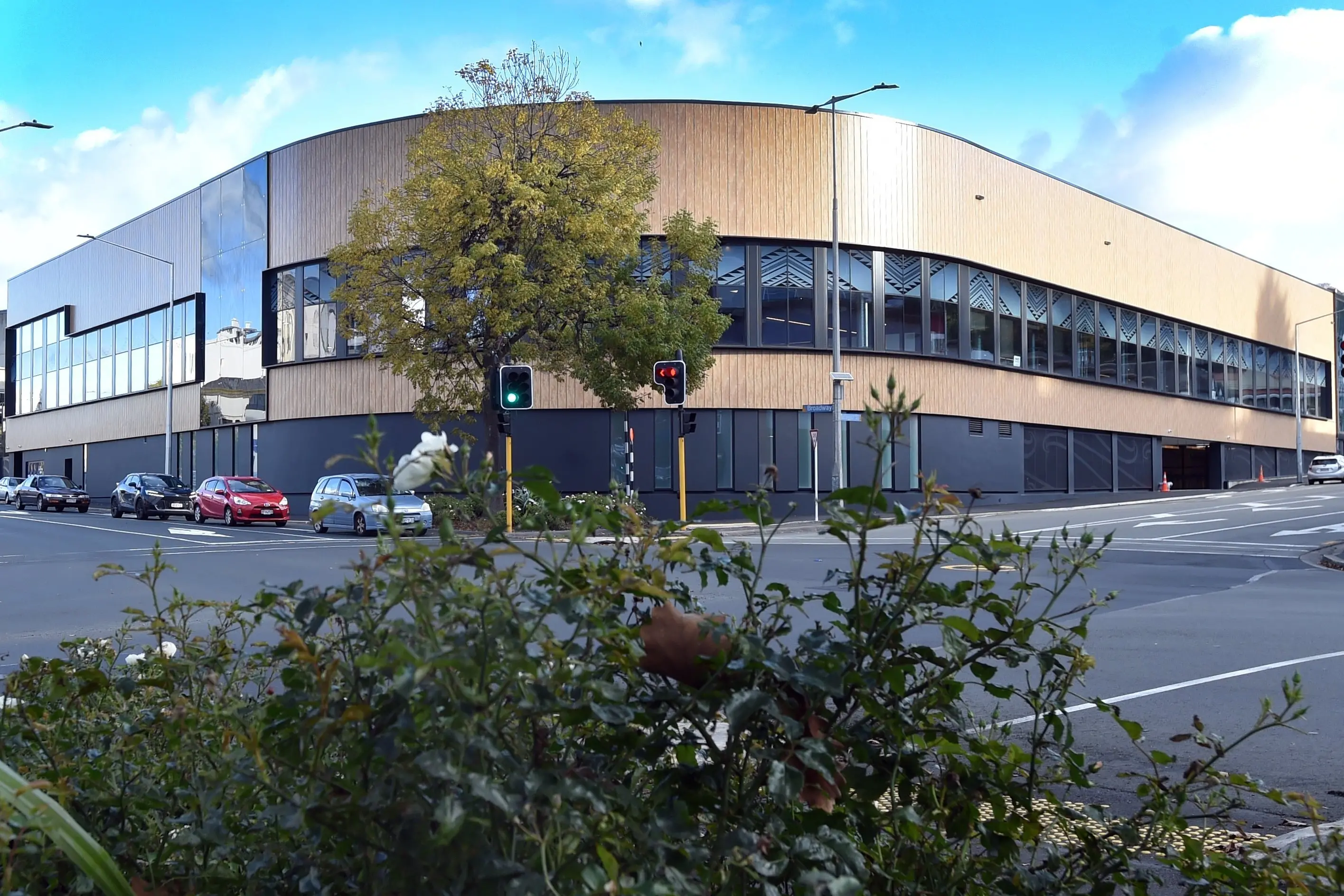
It may be heading for extinction but the Otago Regional Council is still planning for the future. Central government changes to the structure of local government are set to lead to the phasing out of the 11 regional councils around the country. But the wheels are continuing to turn over at the Otago Regional Council with one and a-half days set down to consider its long-term plan for 2027-37. A full day was scheduled to take place on Thursday followed by a half day on Friday. The council was considering budgets for the long-term plan, which would come into force some time next year. Chief executive Richard Saunders said in a report the first phase in preparing the long-term plan was focused on establishing the foundational elements, such as confirming community outcomes and drafting non-financial assumptions. At a council meeting this week, Cr Michael Laws questioned why there was any point in working on the long-term plan when the council, under the current government reforms, was going to be out of business within two years. But he was swiftly cut down by council chairwoman Hilary Calvert, who said it would continue to operate as normal and would work on the long-term plan. Nothing had been set in stone so it was business as usual. Council deputy chairman Kevin Malcolm said his approach and what he hoped the council would do was make sure it was in as good as position as possible when it had to hand over to whatever council took over its functions. That meant working to a good standard and sticking to what it did. The council was not able to add any input into what form the new local government structure would bring. It has been mooted the functions of the council will be kept intact and carried out on behalf of whatever new authority or authorities takes over in Otago. Meanwhile, the new council building, which was opened in late April, is proving popular with the public. The building, known as Aonui, is on the corner of High St and Broadway and was previously home to The Warehouse. It was bought by the regional council-owned Port Otago in 2021 and extensively redeveloped at a cost of $56 million. Mr Saunders said reception visitor numbers in June reached 842, a significant increase from 219 in June 2025. Rates and routine transport matters continued to dominate inquiries. He told the council the increased public visits may have been because the new site had a higher profile, people knew where it was and parking was available.